Loading article
§A · Dispatch · Landing
Elon Musk's Gulfstream makes a 22-minute hop to Compton as wildfires rage near Paris
If aboard, the timing would align with the aftermath of the Fontainebleau forest fire and broader European climate crisis.
By celebplanes · 3 min read · Elon Musk

Elon Musk
Departure
KL17 — Taft Kern County
Arrival
KCPM — Compton Woodley
Airborne
22m
Distance
107 nm
CO₂
1.7t
Elon Musk's Gulfstream G650ER, tail number N628TS, was tracked departing Taft Kern County Airport (KL17) at 04:32 UTC on July 15, 2026, and arriving at Compton Woodley Airport (KCPM) just 22 minutes later, after a short hop that reached 30,750 feet and a max ground speed of 489.5 knots. The aircraft, primary among Musk's five Gulfstreams operated through Falcon Landing LLC, landed in the Los Angeles basin on a morning when much of the news cycle was focused on a different kind of heat: the Fontainebleau forest fire outside Paris.
Should Elon Musk have been aboard, the flight would land the same week that a volunteer firefighter in France confessed to starting the blaze that has scorched over 1,900 hectares of the historic forest near the Palace of Fontainebleau, per a report from The Straits Times citing the local prosecutor. The fire, which forced the evacuation of 900 people and closed the A6 highway, is part of what Interior Minister Laurent Nunez called a likely record year for wildfires in France, with 32,000 hectares already burned. The timing of Musk's aircraft movement — a brief repositioning from a remote Kern County airfield to a general aviation airport in Compton — does not obviously connect to the European fires, but the broader context of climate-driven disasters is hard to ignore for a figure whose companies produce electric vehicles and satellite-based earth observation.
Gulfstream G650ER exterior and cabin layout
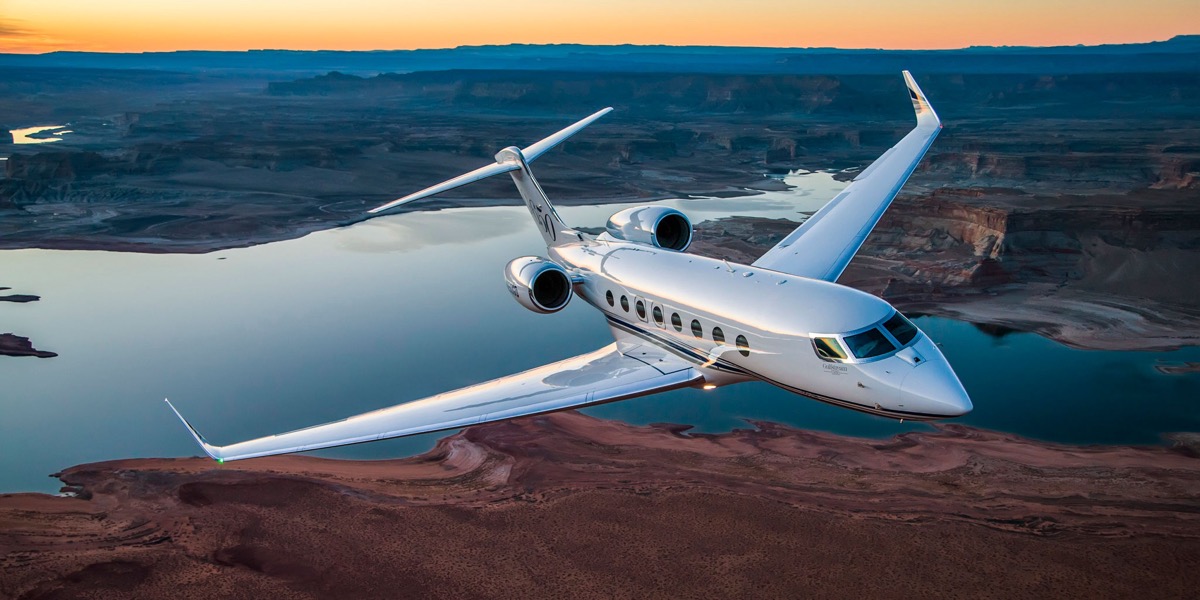
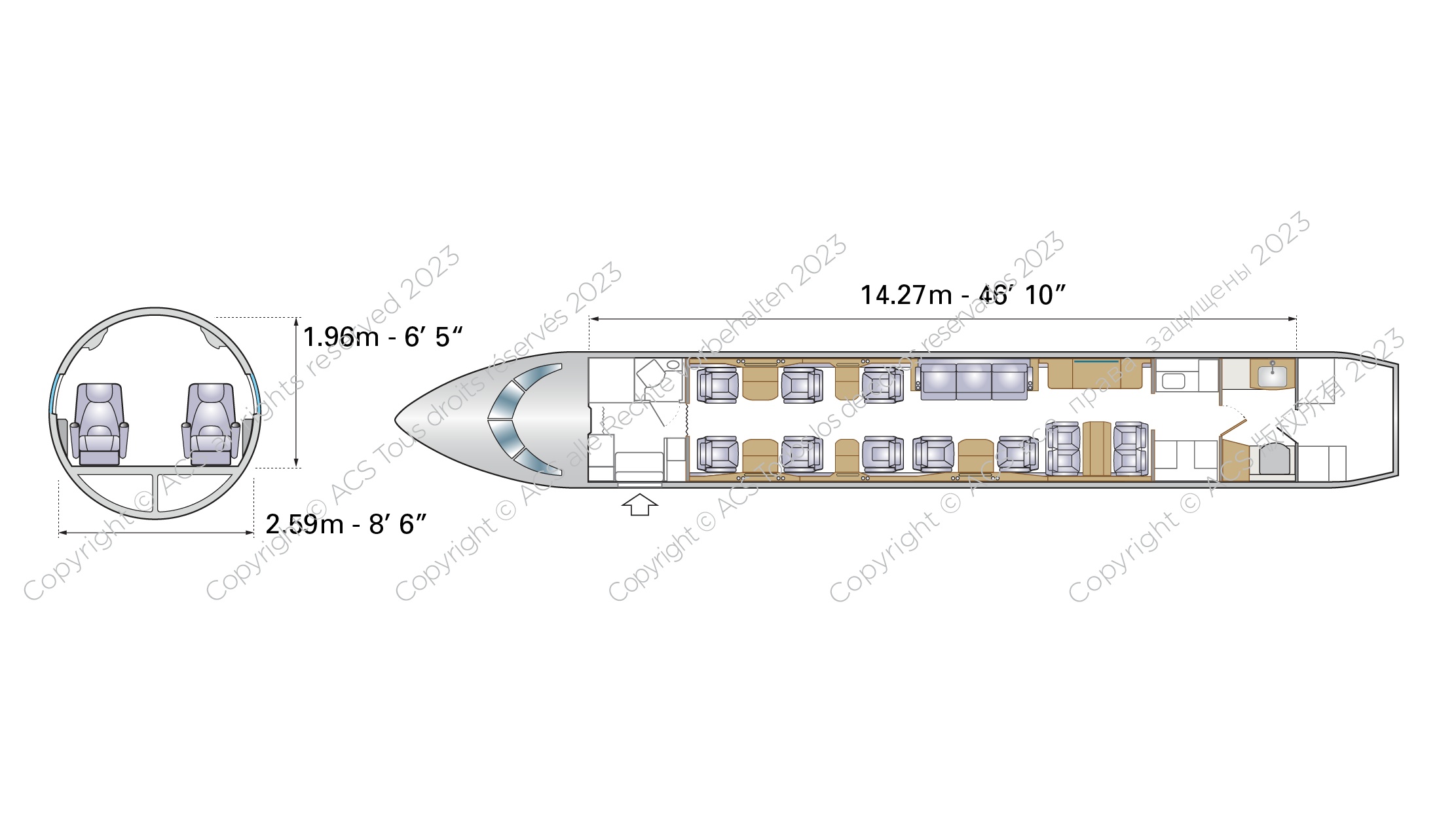
About the aircraft
Type
Gulfstream G650ER
Tail
N628TS
Max alt
30,750 ft
Max speed
490 kt
End of article · celebplanes