Loading article
§A · Dispatch · Landing
Elon Musk's Gulfstream lands in Los Angeles the night of a SpaceX regulatory filing and West LA travel pattern
If aboard, Elon Musk's arrival at KLAX from the Tahoe area comes the same day SpaceX filed for an expanded launch license covering Vandenberg.
By celebplanes · 2 min read · Elon Musk

Elon Musk
Listen — voice briefing0:47
0:00-0:47
Departure
KTRK — Truckee Tahoe
Arrival
KLAX — Los Angeles
Airborne
1h 1m
Distance
329 nm
CO₂
4.7t
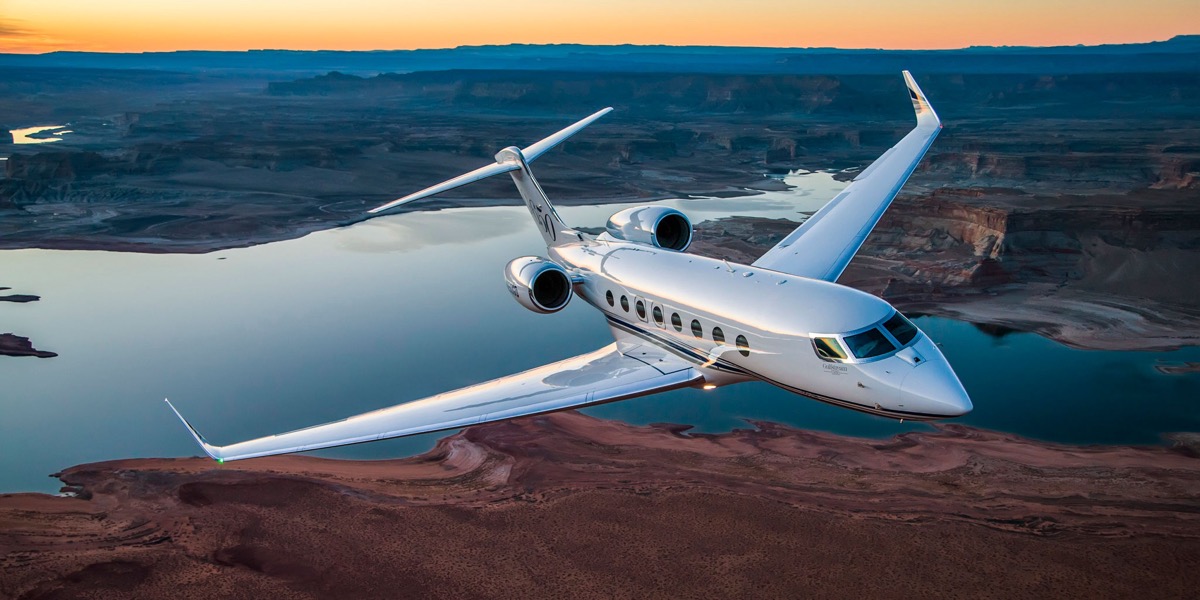
Elon Musk's Gulfstream G650ER, tail N628TS, was tracked departing Truckee Tahoe Airport (KTRK) shortly after 5:12 p.m. local time on August 11, 2026, and landing at Los Angeles International Airport (KLAX) at 6:14 p.m. — a one-hour-and-one-minute hop across the Sierra Nevada at a modest 21,025 feet. The aircraft's geographic shift from a high-elevation recreational airport to LAX's commercial hub marks a characteristic fast repositioning for a jet that logged at least seven flights in the previous 48 hours, including a round-trip between Austin and the Rio Grande Valley and a cross-country leg to Memphis and back.
If Elon Musk was aboard, the quick descent into LAX lands him in Southern California the same evening that SpaceX filed a routine but notable amendment to its Vandenberg Space Force Base launch license, as flagged by regulatory tracker Space News on August 11. The filing requests approval for an increased cadence of Falcon 9 launches from the West Coast facility — up to 48 per year from the current 24 — and includes a new payload integration plan for Starlink direct-to-cell satellites. The timing of the flight, dropping into Los Angeles rather than Monterey or Santa Maria (the airports nearest Vandenberg), suggests the visit may involve broader SpaceX executive meetings at the company's Hawthorne headquarters rather than a site visit to the launch pad.
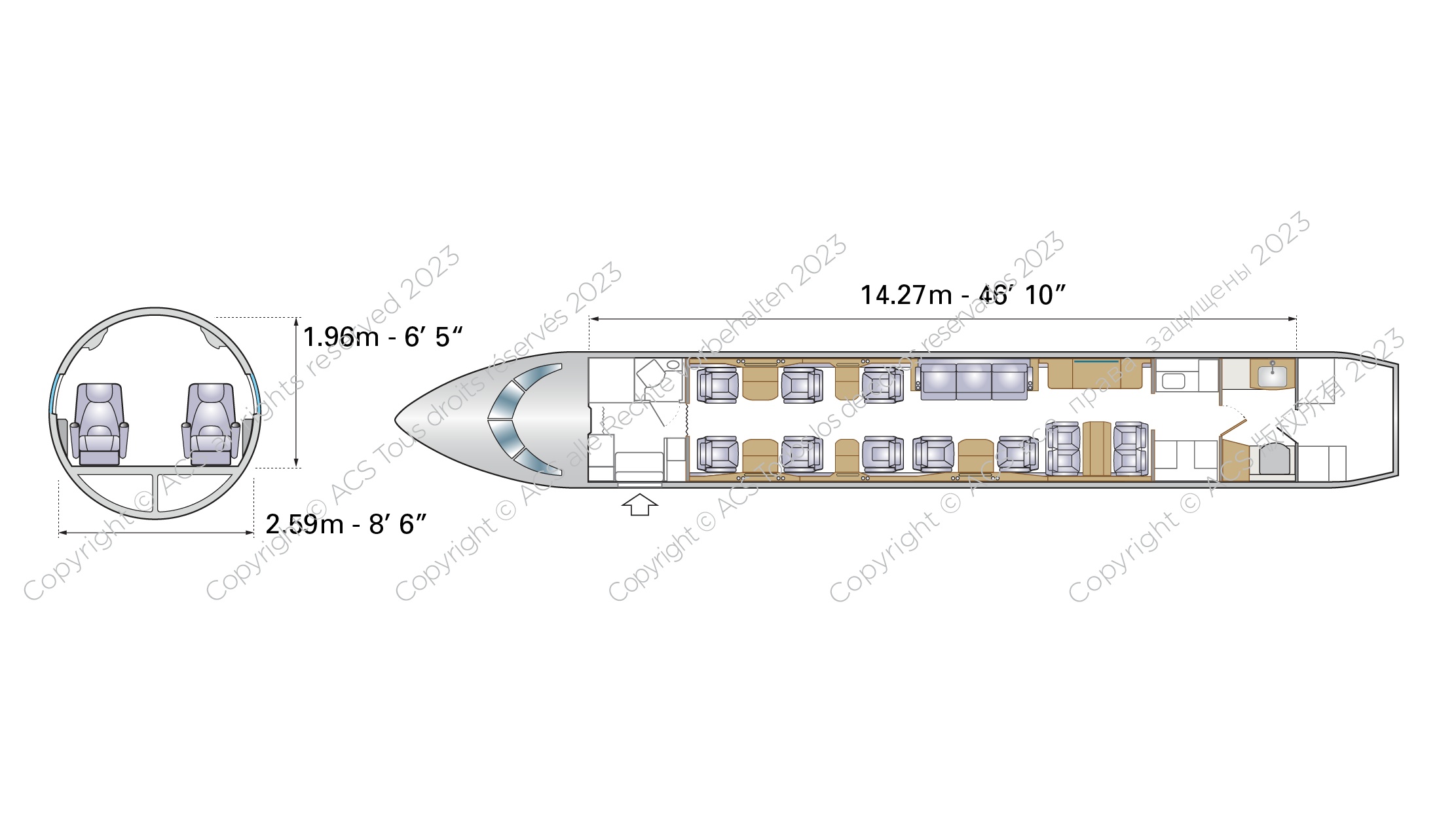
Aboard the Gulfstream G650ER
The aircraft
Type
Gulfstream G650ER
Tail
N628TS
Max alt
21,025 ft
Max speed
446 kt
End of article · celebplanes