Loading article
§A · Dispatch · Landing
Elon Musk's aircraft lands in Baton Rouge amid escalating OpenAI feud
If aboard, the timing aligns with the ongoing legal battle and the Cursor termination dispute.
By celebplanes · 2 min read · Elon Musk

Elon Musk
Listen — voice briefing0:39
0:00-0:39
Departure
KLAX — Los Angeles
Arrival
KBTR — Baton Rouge Metropolitan
Airborne
3h 48m
Distance
1,389 nm
CO₂
17.2t
Elon Musk's Gulfstream G650ER, tail number N628TS, was tracked departing Los Angeles International Airport at 16:50 UTC on September 1 and touching down at Baton Rouge Metropolitan Airport four hours later, after a 3-hour-48-minute flight that reached 45,025 feet and a ground speed of 590 knots. The aircraft, registered through Falcon Landing LLC, is the primary jet in Musk's five-Gulfstream fleet and carries his June 28 birthday in the tail.
If Elon Musk was aboard, he would have arrived in Baton Rouge the same week the long-running feud with OpenAI entered a new phase. On September 1, OpenAI announced plans to cut off access to its AI models for Cursor, the coding platform now owned by SpaceX after a $60 billion all-stock deal closed earlier this month, per a report in CEO Times Magazine. The decision, with a proposed November 12 termination date, stems from OpenAI's concerns that SpaceX would not comply with its terms of service, citing alleged past breaches by Musk's companies. Musk responded on X with a dismissive “I couldn’t care less,” while Cursor co-founder Michael Truell said discussions were ongoing.
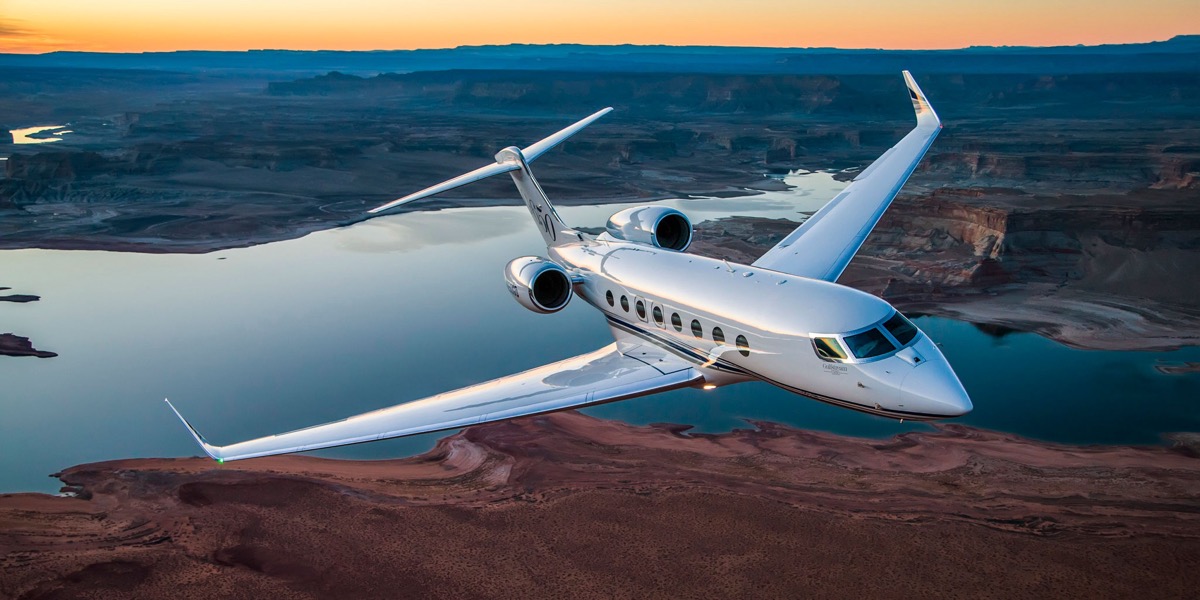
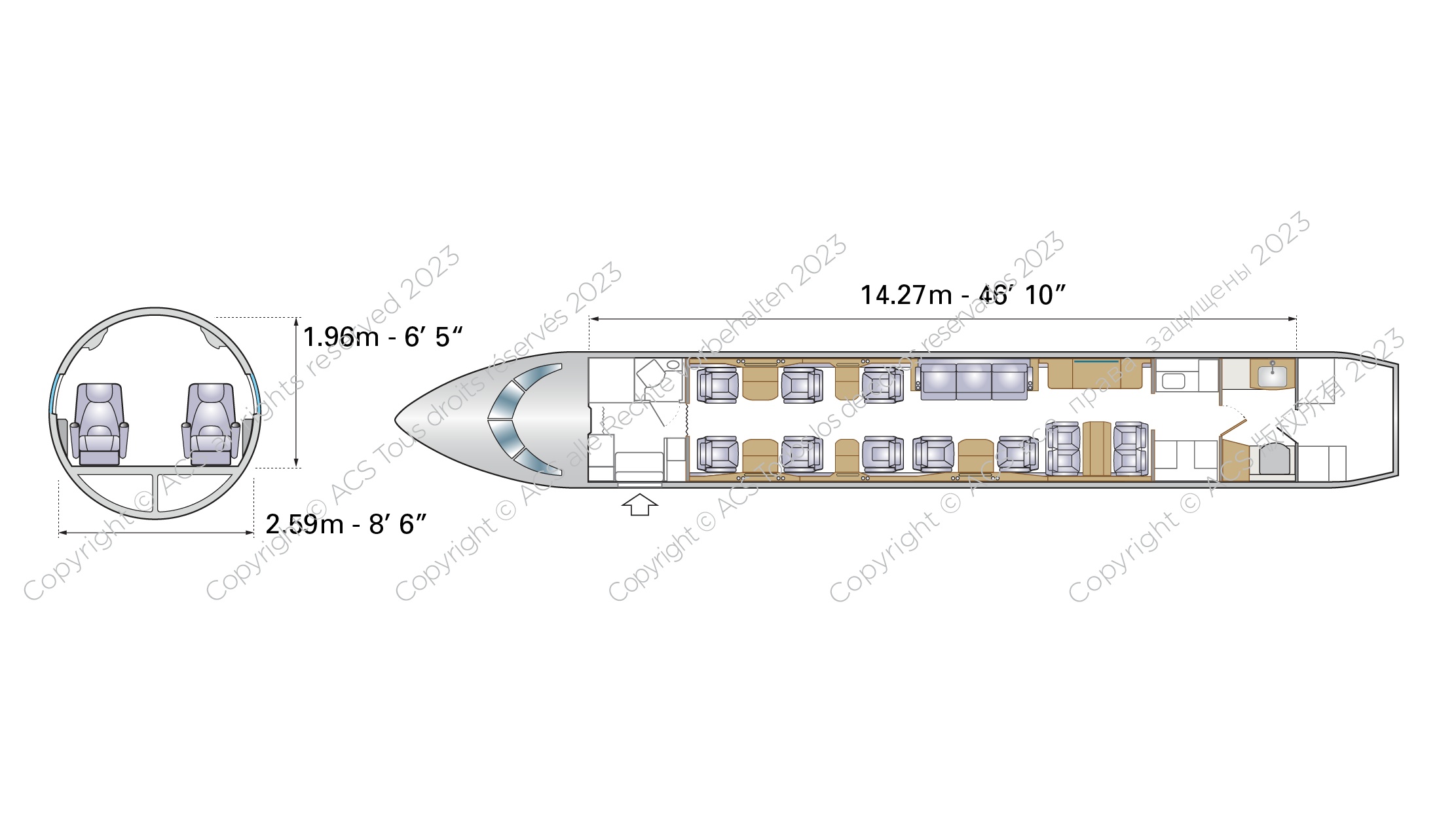
Gulfstream G650ER exterior and cabin layout
About the aircraft
Type
Gulfstream G650ER
Tail
N628TS
Max alt
45,025 ft
Max speed
590 kt
End of article · celebplanes