Loading article
§A · Dispatch · Landing
Masayoshi Son's jet returns to Tokyo from Texas after Stargate site visit
If aboard, the timing lines up with SoftBank's $40B loan for OpenAI and the ongoing buildout of the $500B Stargate project.
By celebplanes · 2 min read · Masayoshi Son

Masayoshi Son
Departure
KSAT — San Antonio
Arrival
RJAA — Narita
Airborne
11h 43m
Distance
5,667 nm
CO₂
52.9t
Masayoshi Son's Gulfstream G650ER, registered N302TR, was tracked departing San Antonio International Airport (KSAT) at 21:46 UTC on August 14, 2026, and arriving at Tokyo Narita International Airport (RJAA) at 09:29 UTC on August 15, after an 11-hour 43-minute transpacific flight. The aircraft reached a maximum altitude of 47,025 feet and a ground speed of 548 knots — a routine long-haul profile for the 2017 G650ER, which is based at Narita and has logged 53 flight hours across 21 tracked movements on Celebplanes.
If Masayoshi Son was aboard, the flight would mark his return to Japan after a brief but purposeful stop in Texas. The preceding days show the aircraft flew from Narita to the Houston area on August 13, then hopped to San Antonio on August 14 — a route that places the registered owner, should they have been on board, within driving distance of Abilene, Texas, where the first data center for the Stargate Project is under construction. As covered by TechCrunch in January 2025, Stargate is a joint venture between SoftBank, OpenAI, Oracle, and MGX, with Masayoshi Son serving as chairman and a commitment to invest $100 billion immediately and up to $500 billion over four years in U.S. AI infrastructure.
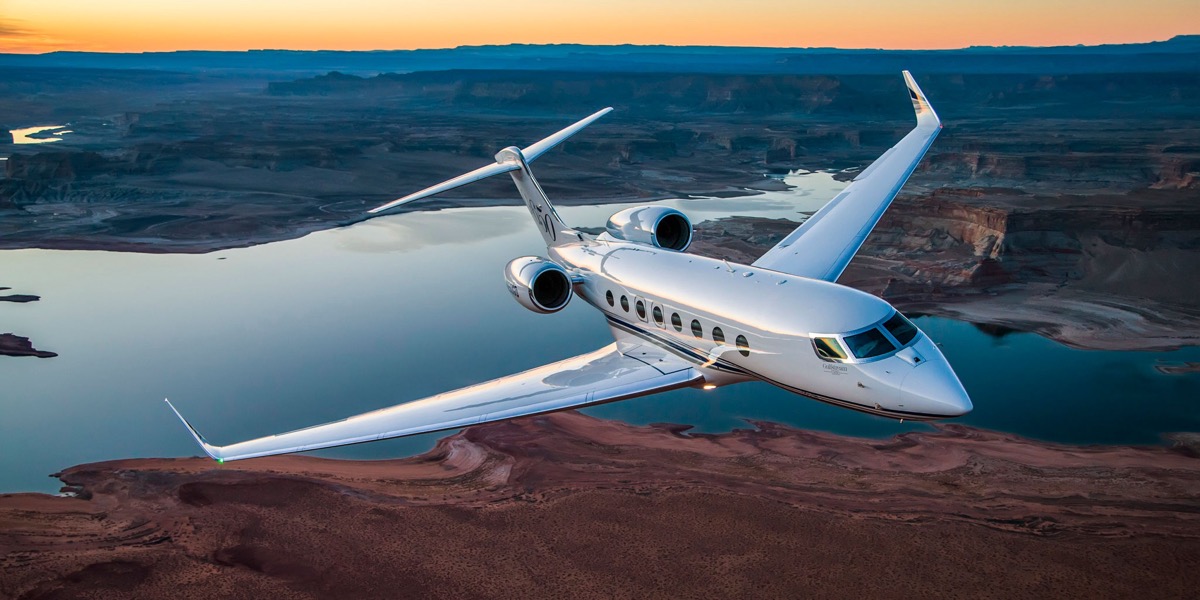
Aboard the Gulfstream G650ER
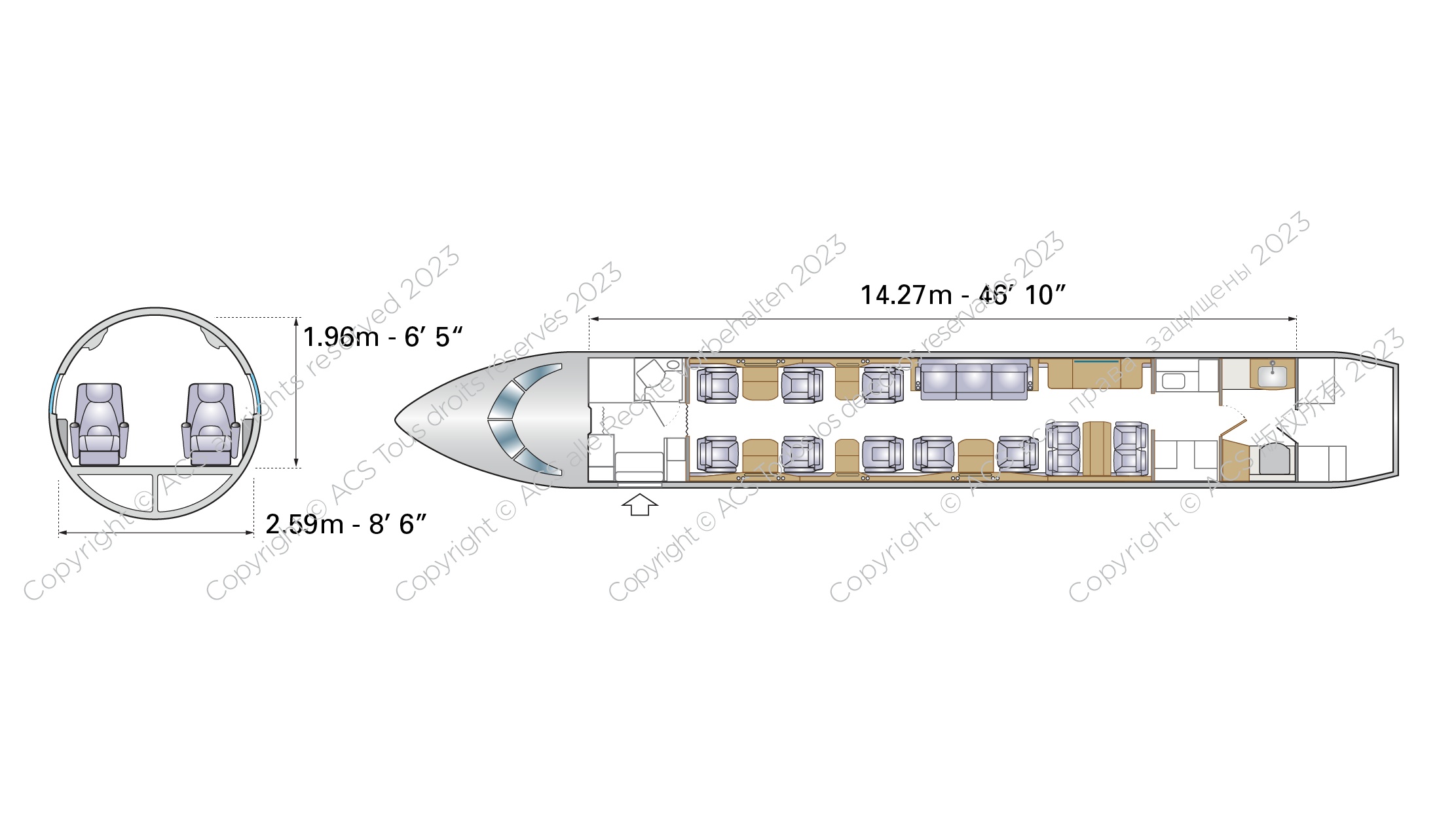
The aircraft
Type
Gulfstream G650ER
Tail
N302TR
Max alt
47,025 ft
Max speed
548 kt
End of article · celebplanes