Loading article
§A · Dispatch · Landing
Mike Cannon-Brookes's aircraft flies from Canberra to Sydney the same week as a Q4 earnings wrap-up
If aboard, the 34-minute hop from the capital to the commercial hub lines up with a reflective moment after a standout quarter for Atlassian.
By celebplanes · 2 min read · Mike Cannon-Brookes

Mike Cannon-Brookes
Listen — voice briefing0:31
0:00-0:31
Departure
YSCB — Canberra
Arrival
YSSY — Sydney Kingsford Smith
Airborne
34m
Distance
135 nm
CO₂
2.5t
Mike Cannon-Brookes's Bombardier Global 7500, registered as N1711M, was tracked departing Canberra Airport (YSCB) at 05:57 UTC on August 19, 2026, and landing 34 minutes later at Sydney Kingsford Smith International Airport (YSSY), having reached a maximum altitude of 23,000 feet and a top ground speed of 430 knots. The aircraft's movements are publicly visible through the ADS-B broadcast that every aircraft over Australian airspace is required to transmit, and the recorded track places the jet squarely on a short domestic leg between the two cities.
If Mike Cannon-Brookes was aboard, the timing would place him in Sydney the same week he would have been digesting Atlassian's Q4 fiscal 2026 earnings — a period he described on LinkedIn as a "standout quarter and year," noting the "Teamwork Graph gives Atlassian a durable edge in the AI era." The post, dated August 6, 2026, linked to a Loom video he recorded shortly after the results were released, suggesting the busy stretch of investor calls and strategic messaging has just concluded. A journey from Canberra to Sydney — the former being the seat of government and the latter the hub of media and corporate headquarters — could indicate a shift from policy or regulatory touchpoints toward internal business reviews or industry briefings.
Aboard the Bombardier Global 7500
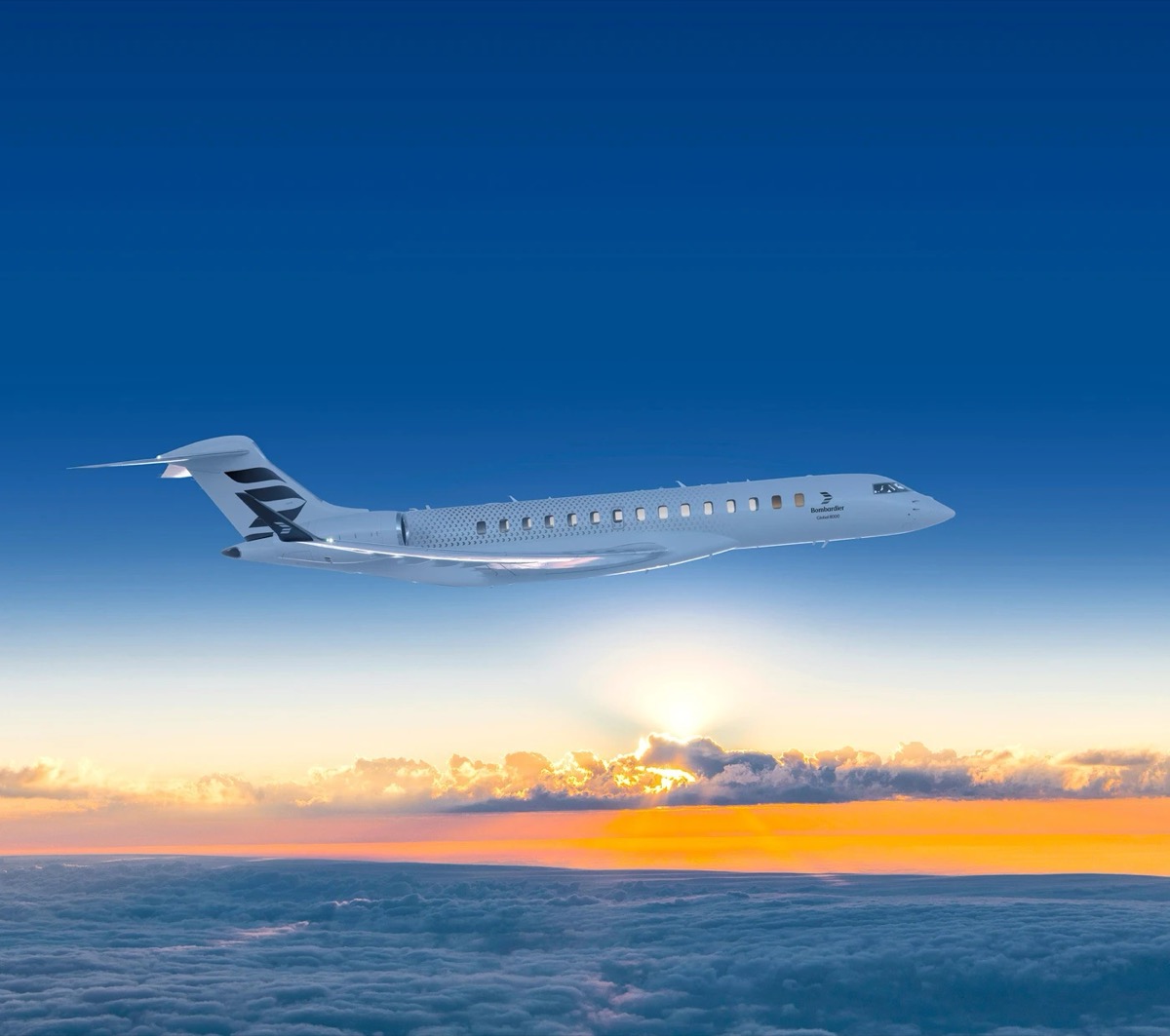
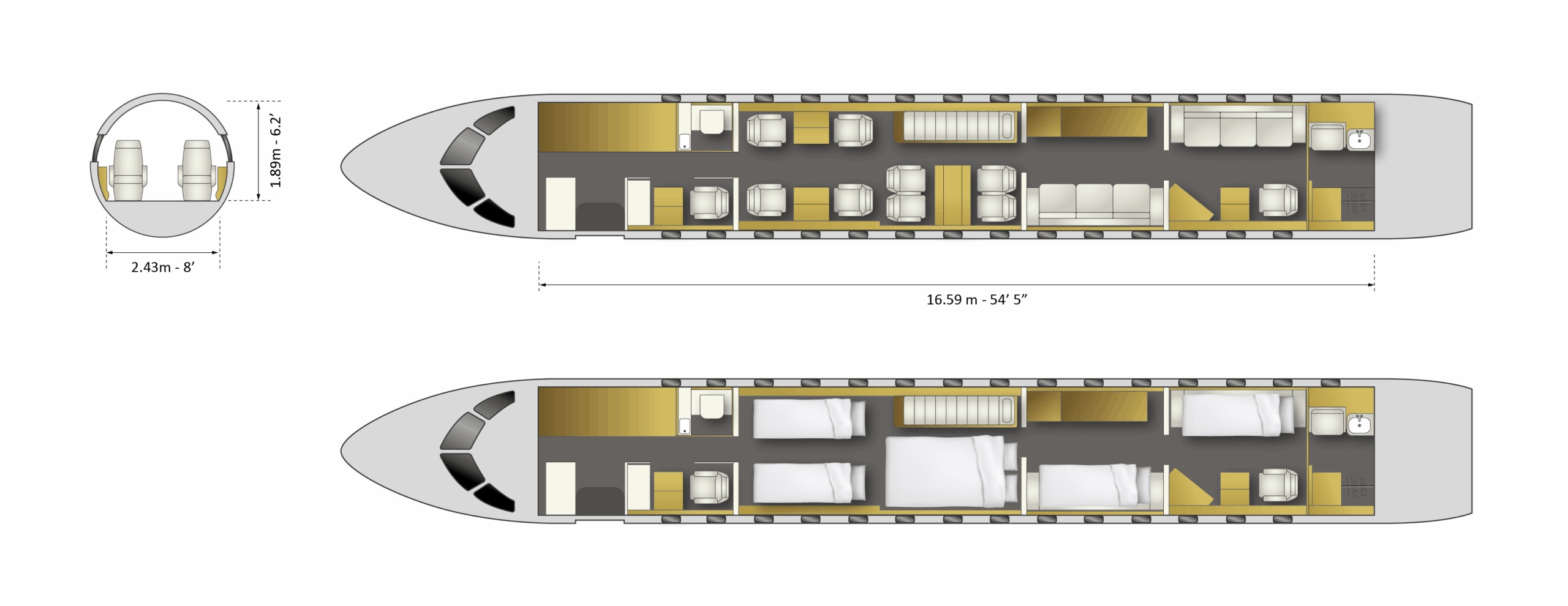
The aircraft
Type
Bombardier Global 7500
Tail
N1711M
Max alt
23,000 ft
Max speed
430 kt
End of article · celebplanes