Loading article
§A · Dispatch · Landing
Mukesh Ambani's Boeing 737 MAX 9 lands in Delhi as Russia sanctions bill roils crude markets
If aboard, Mukesh Ambani's arrival in Delhi aligns with a week of crude-supply jitters from the new U.S. sanctions law.
By celebplanes · 3 min read · Mukesh Ambani

Mukesh Ambani
Listen — voice briefing0:29
0:00-0:29
Departure
VABB — Chhatrapati Shivaji Maharaj
Arrival
VIDP — Indira Gandhi
Airborne
1h 33m
Distance
619 nm
CO₂
12.0t
Mukesh Ambani's Boeing 737 MAX 9 BBJ, registration VT-AKV, was tracked flying from Mumbai's Chhatrapati Shivaji Maharaj International Airport to Delhi's Indira Gandhi International Airport on September 19, 2026, a short 1-hour, 33-minute hop that touched down just before sunset. The aircraft, a $120-million-plus customized jet that serves as the flagship of Reliance Industries' fleet, is registered to Reliance Commercial Dealers Ltd, the subsidiary that also holds the company's Bombardier Global 7500. The desk tracks the plane, not the person, but if Mukesh Ambani was aboard, he would have landed in the capital the same week a new U.S. law threatens to upend India's crude-import calculus.
If Mukesh Ambani was on the flight, the timing would line up with a moment of acute energy-market pressure. President Donald Trump signed the Lindsey Graham Sanctioning Russia and Iran Act of 2026 into law this week, a bill that empowers tariffs of up to 100% on goods from countries that continue buying Russian oil and gas — a direct challenge to India, which has been among the top buyers of Russian crude since the Ukraine war, with its share hitting 55% in July, per a Times of India report. The law lands as crude supplies through the Strait of Hormuz and Bab el-Mandeb remain disrupted, and a drone attack on Saudi Arabia's East-West pipeline last week has further squeezed supply. For Reliance, which operates the world's largest refining complex at Jamnagar, the math on replacing Russian barrels just got harder — and the company's chairman would have reason to be in Delhi, where the government sets the policy response.
Aboard the Boeing 737 MAX 9 BBJ
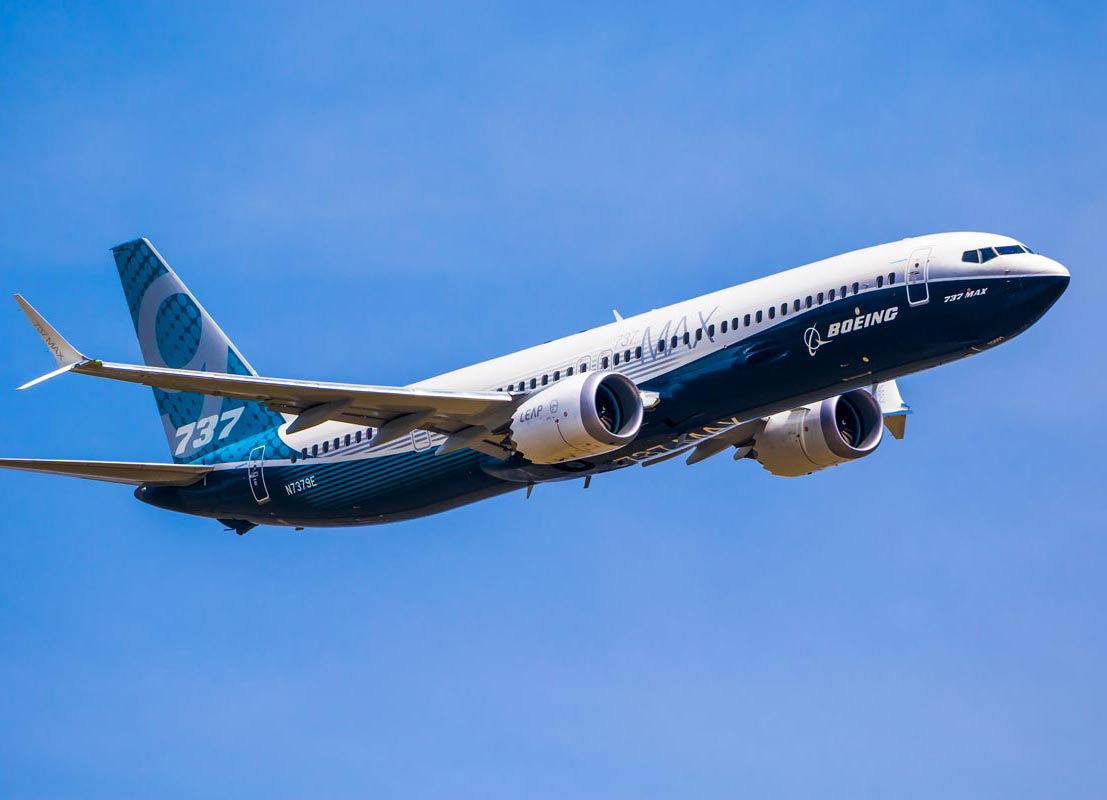
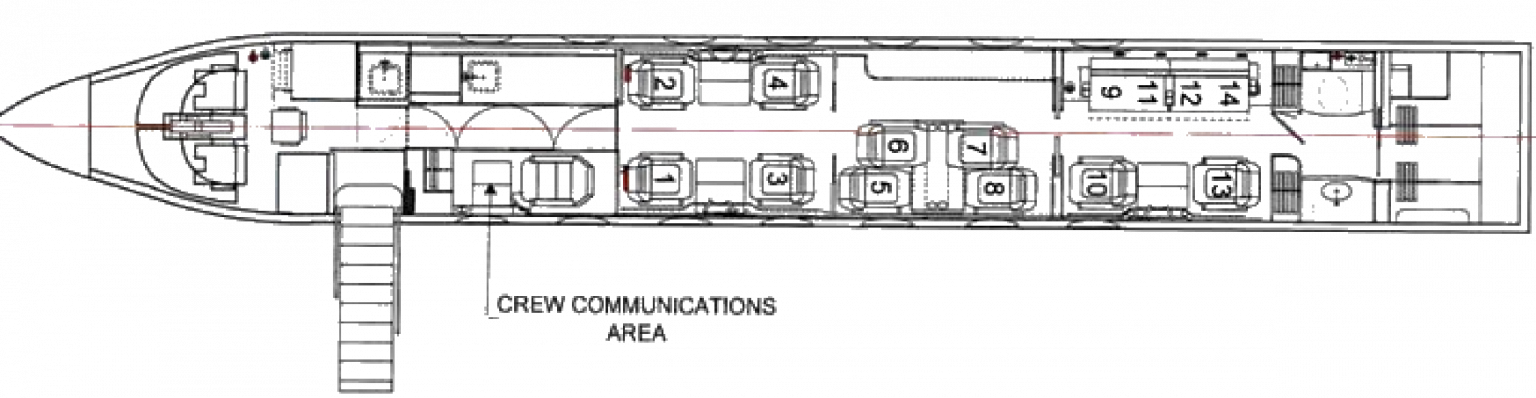
The aircraft
Type
Boeing 737 MAX 9 BBJ
Tail
VT-AKV
Max alt
35,000 ft
Max speed
502 kt
End of article · celebplanes