Boeing 737-8 BBJ MAX
A62-001 · ICAO: N/A · Airliner jet
Fuel burn
280 gal/hr
CO₂ per hour
2,690 kg
Car miles equiv.
6,658

Australia's government air fleet is operated by 34 Squadron of the Royal Australian Air Force. The primary aircraft are two Boeing 737-8 BBJ MAX jets (A62-001 and A62-002) — among the first government 737 MAX variants delivered globally — used by the Prime Minister (Anthony Albanese) and Governor-General for international state visits.
Three Dassault Falcon 7X jets (A56-001, A56-002, A56-003) handle ministerial travel around Australia and to nearby Pacific and Asian capitals. Australia is a key US ally, Five Eyes intelligence partner, and AUKUS submarine pact member, making PM travel to Washington, London, and Tokyo frequent.
Flights operate under the ASY3__ callsign series. The Falcon 7Xs are particularly active, shuttling ministers around the massive Australian continent and to the Pacific Island nations that are a foreign policy priority.
Note · We track Australian Government Flight's planes, not Australian Government Flight in person. Flight data shows when and where each plane flew. It does not show who was on board.
Over the last 50 completed flights we tracked, Australian Government Flight's planes spent about 34 hours in the air. We estimate those flights put out 92.4 metric tons of CO₂.
Total flights
50
Total CO₂
92.4t
Flight hours
34h
We track 3 planes for Australian Government Flight. Each one is listed below with its tail number and hourly CO₂.
A62-001 · ICAO: N/A · Airliner jet
A62-002 · ICAO: N/A · Airliner jet
A56-001 · ICAO: N/A · Heavy jet
These are the last 50 flights we tracked for Australian Government Flight's planes, newest first. Open a flight to see its route map, time in the air, top altitude and speed.
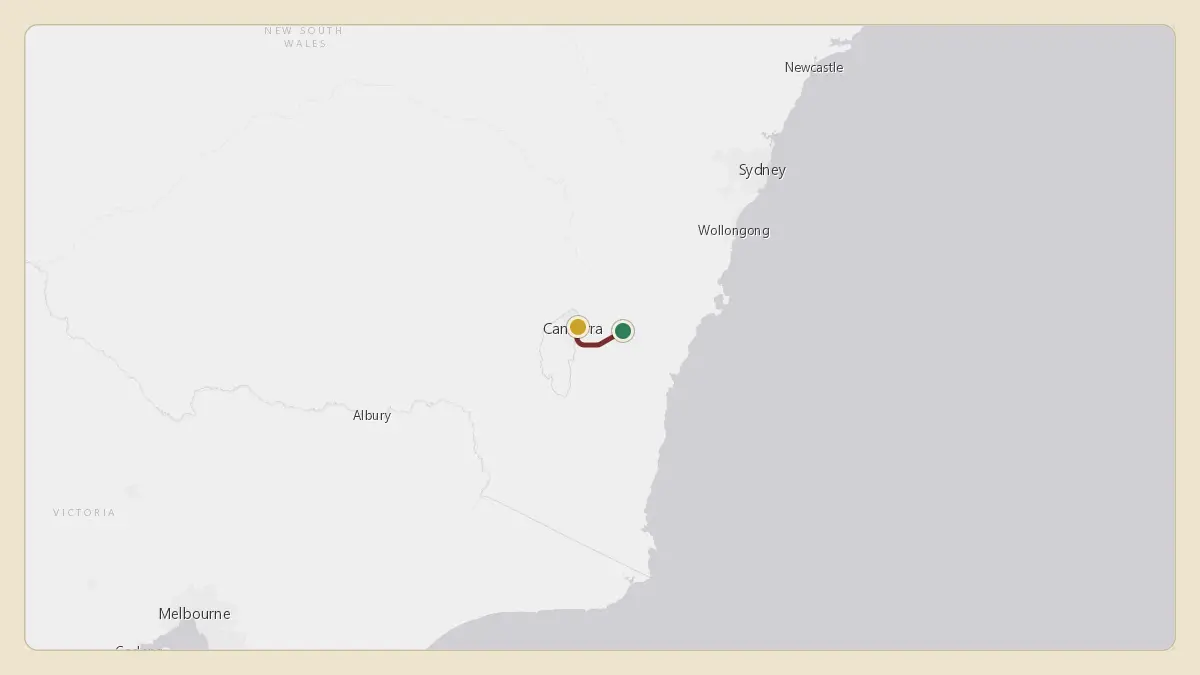
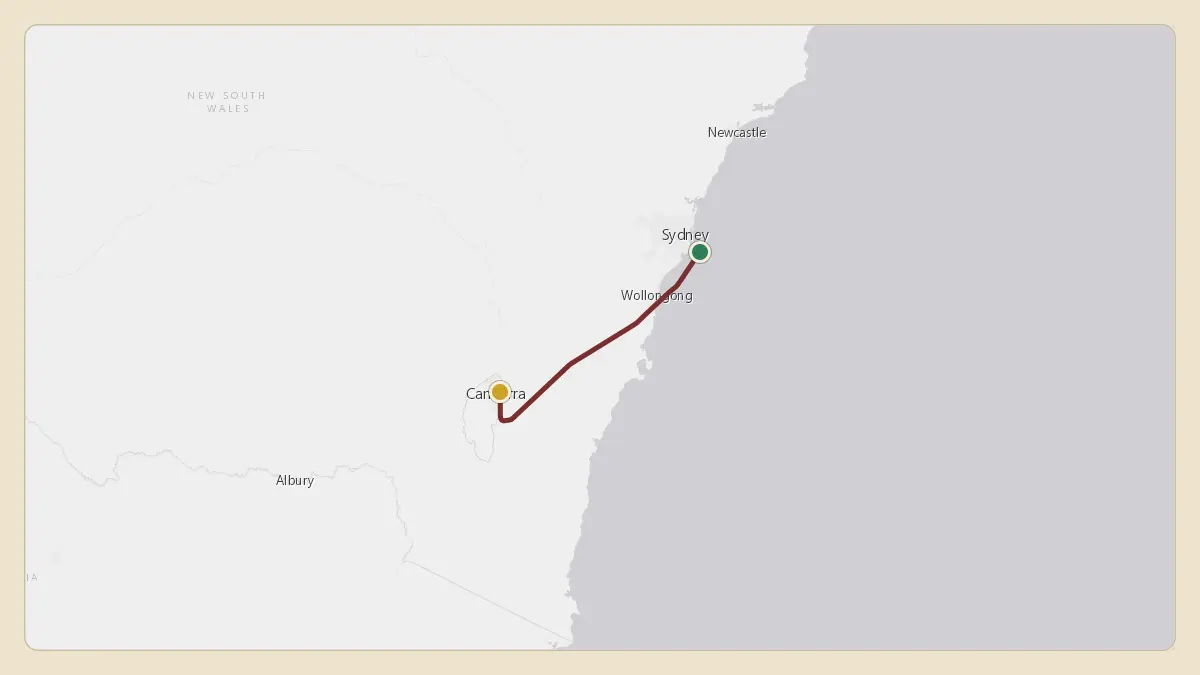
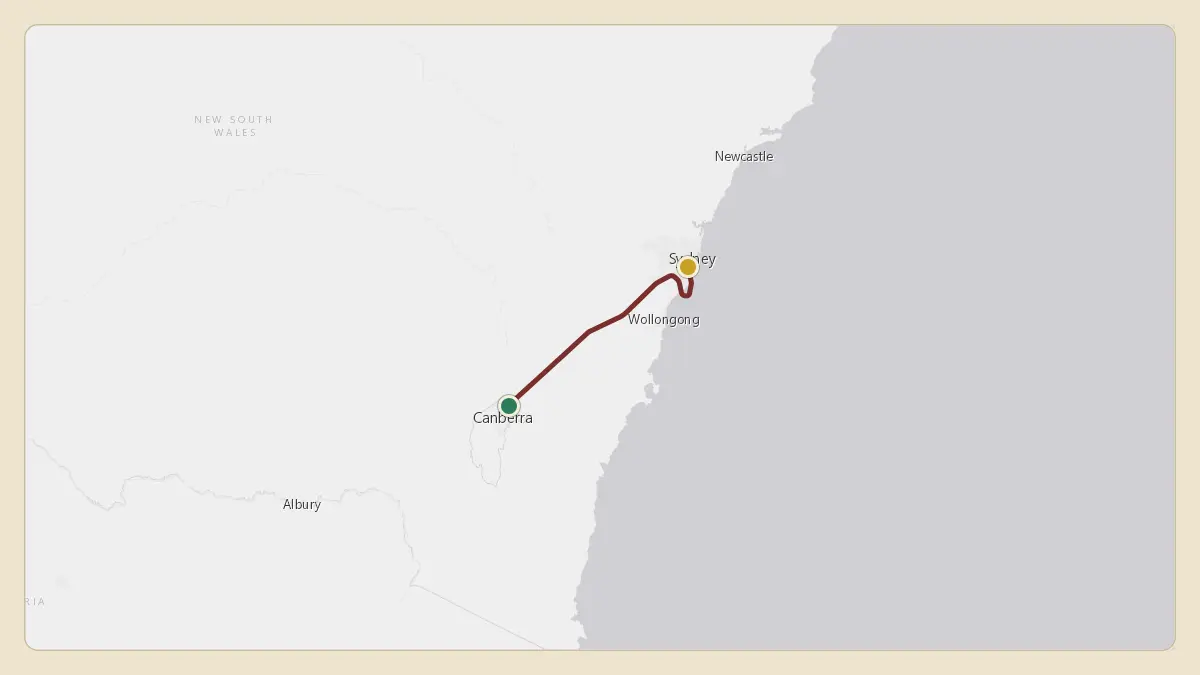
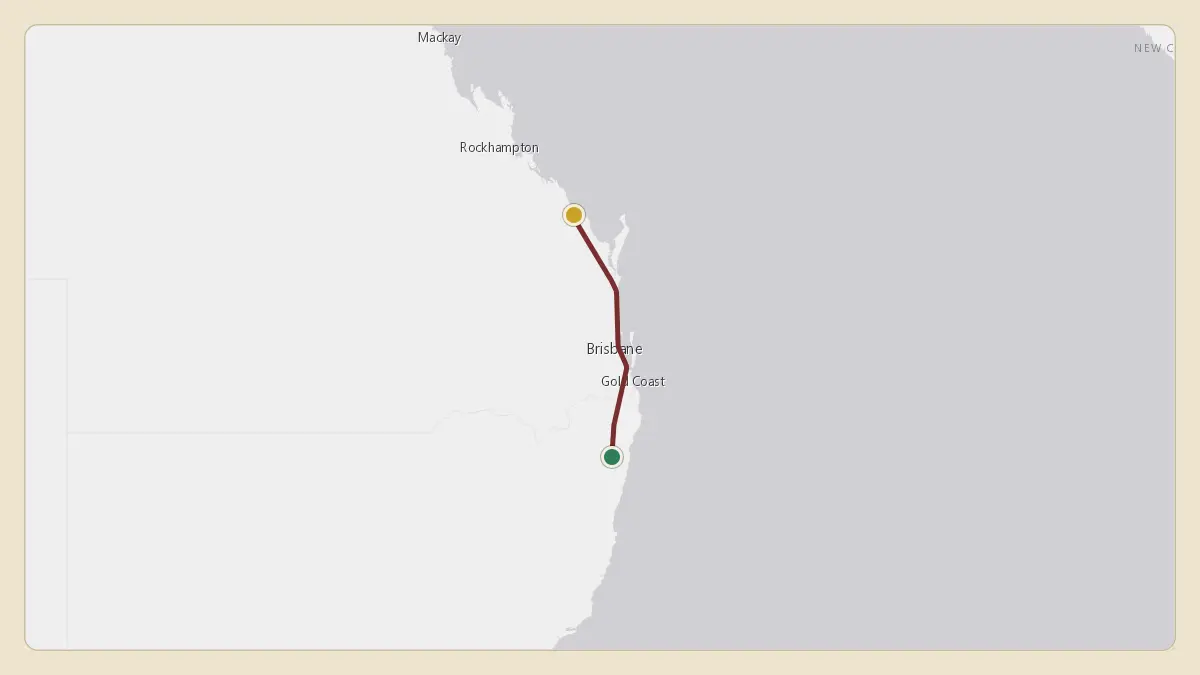
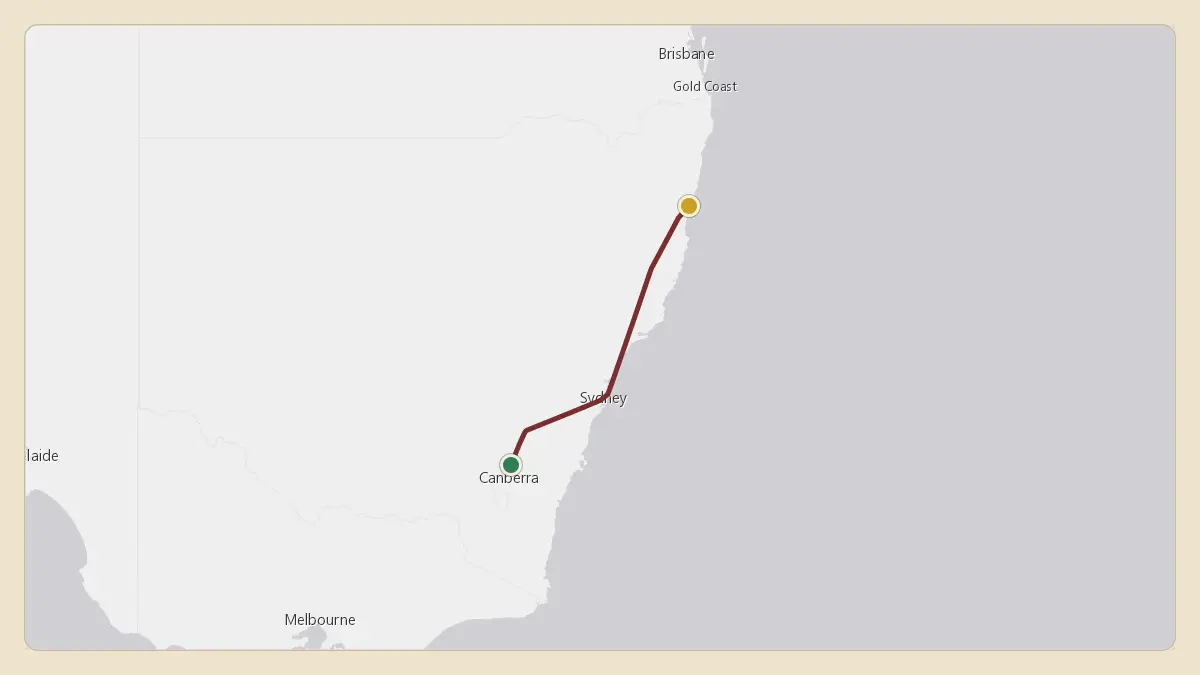
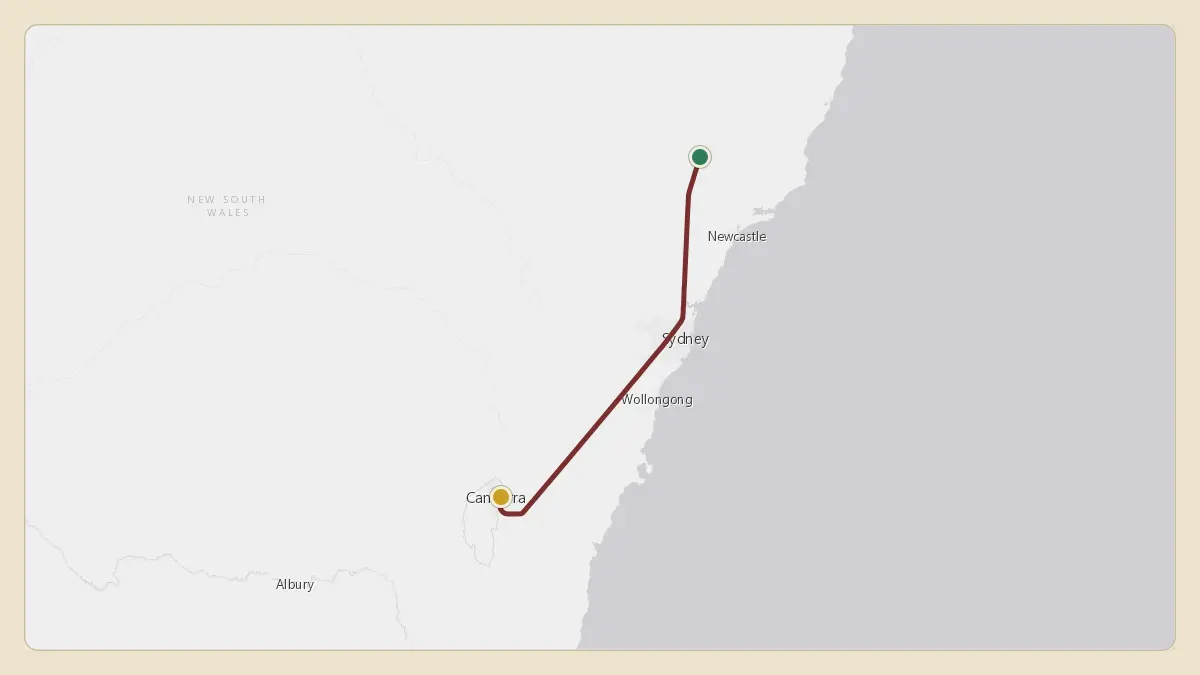
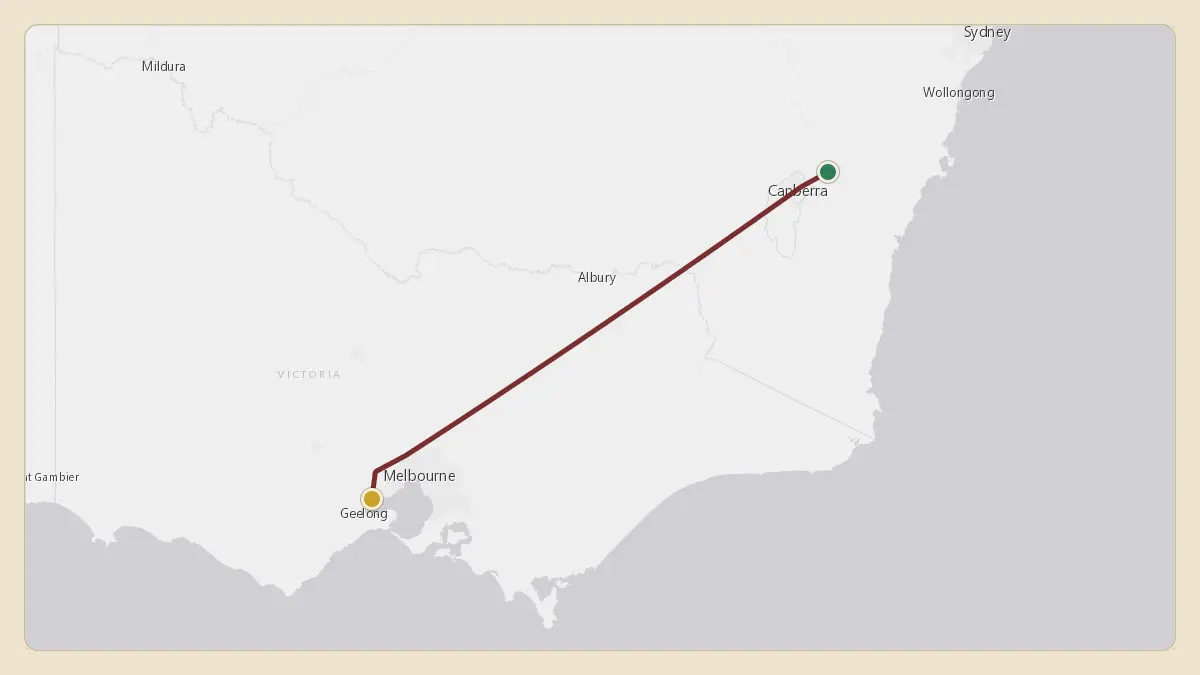
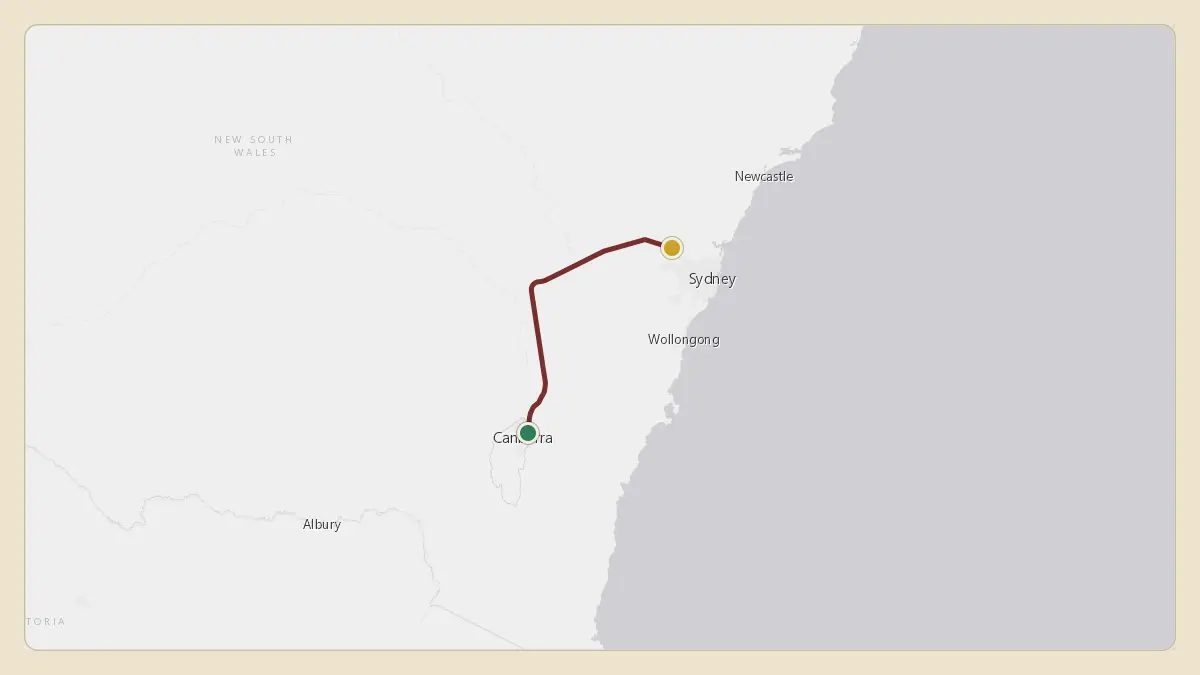
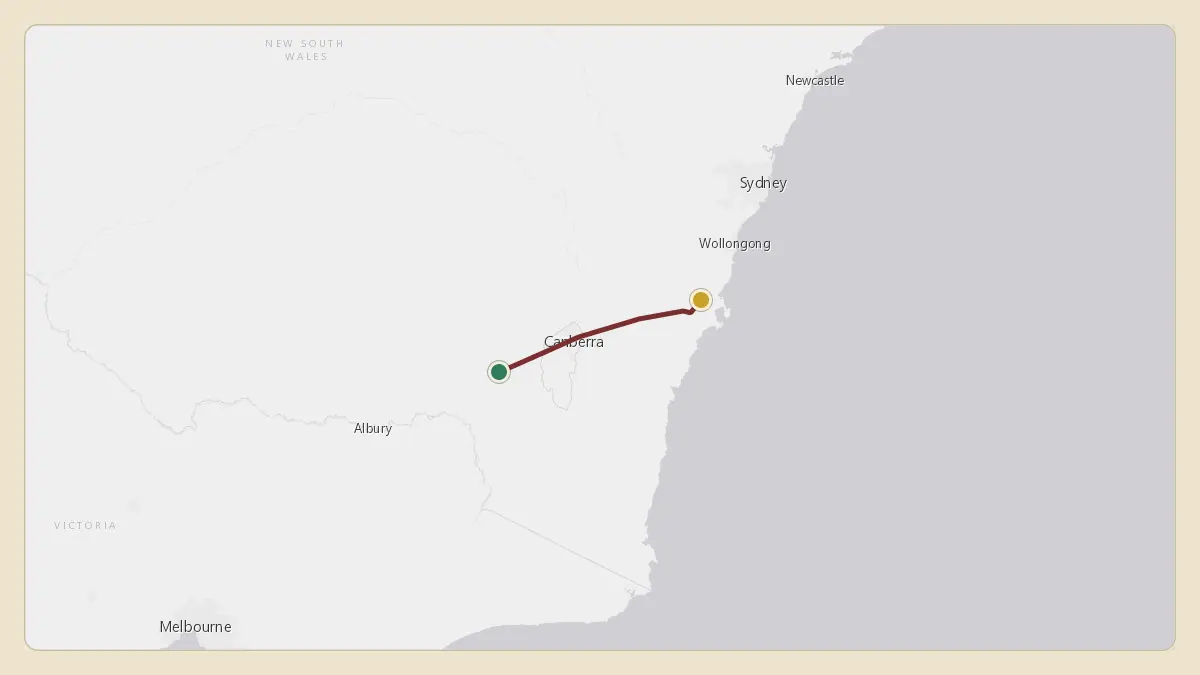
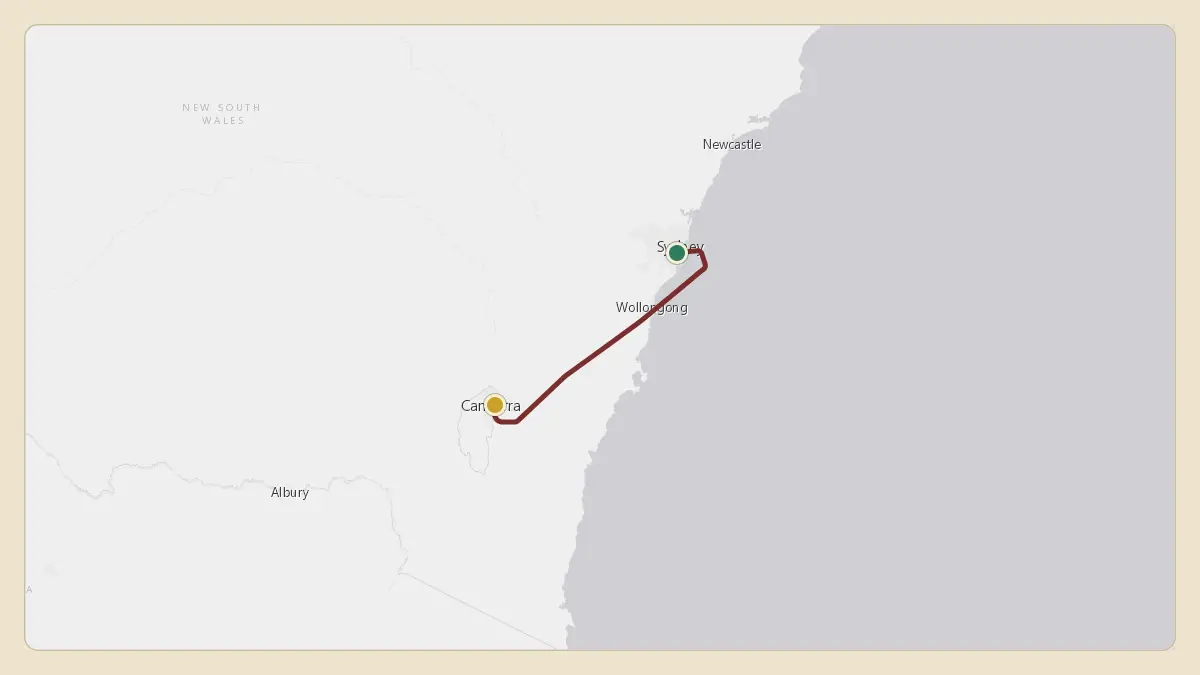
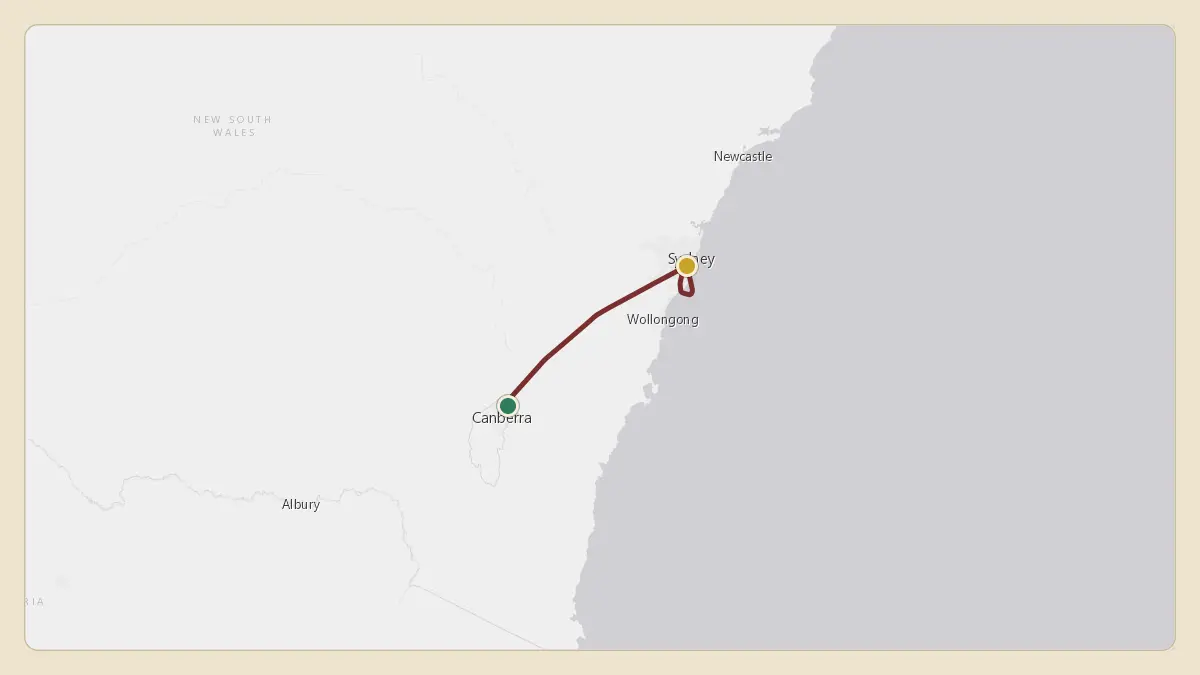
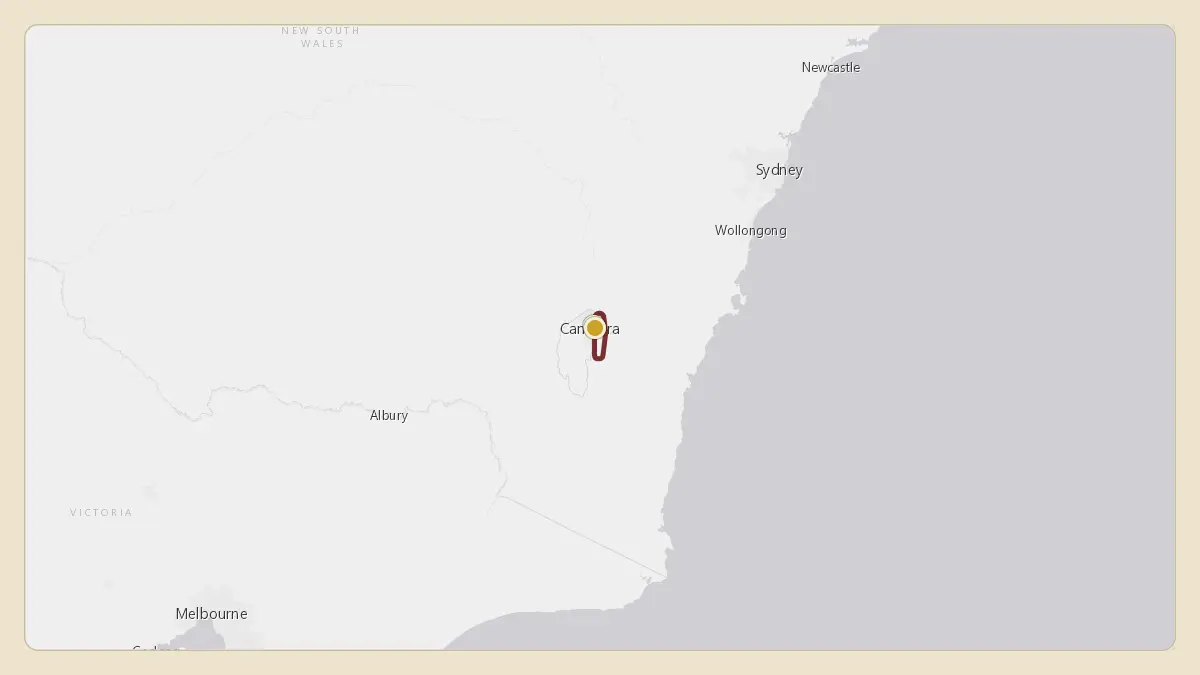
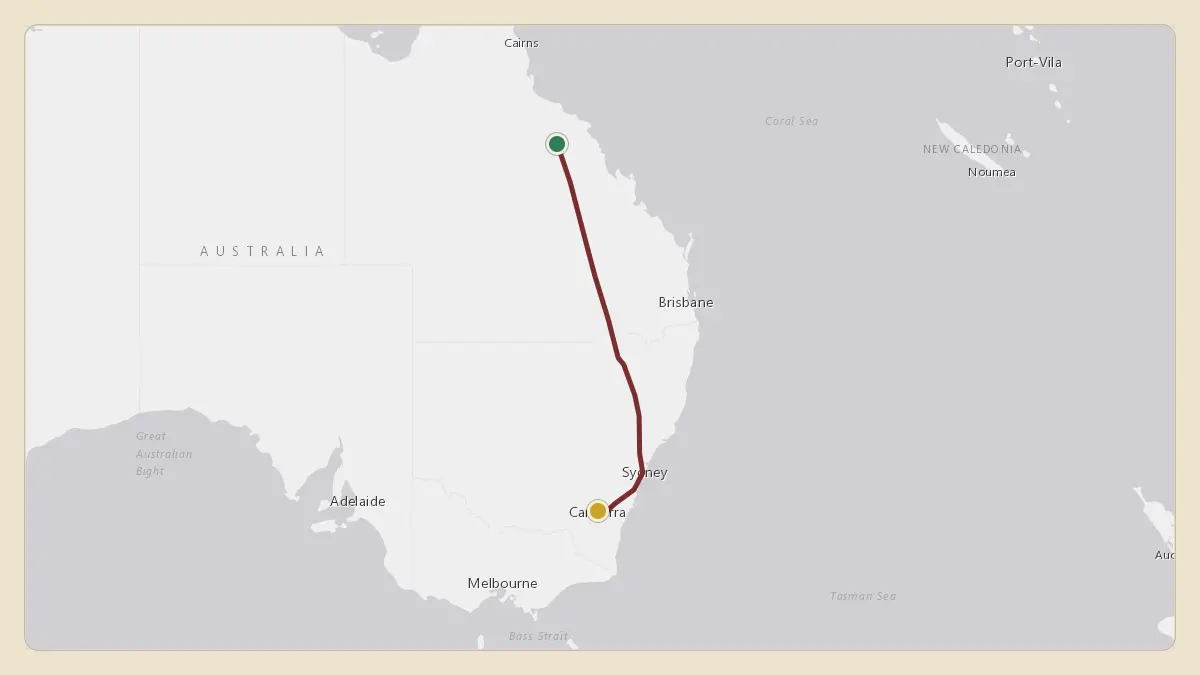
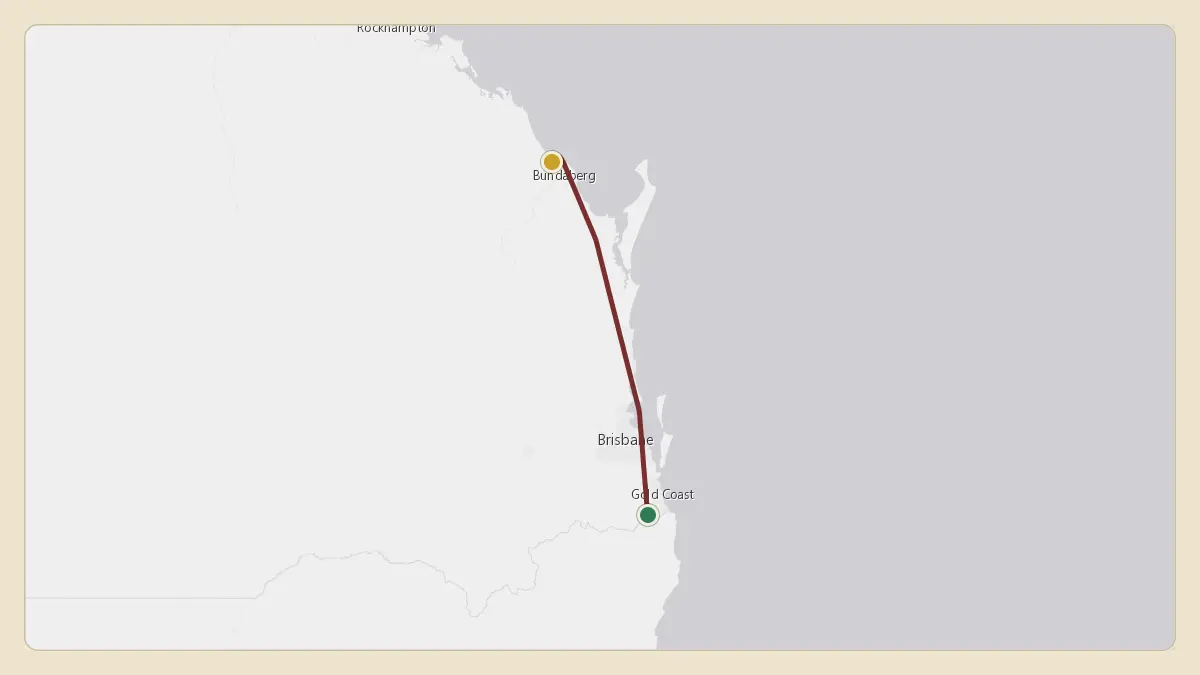
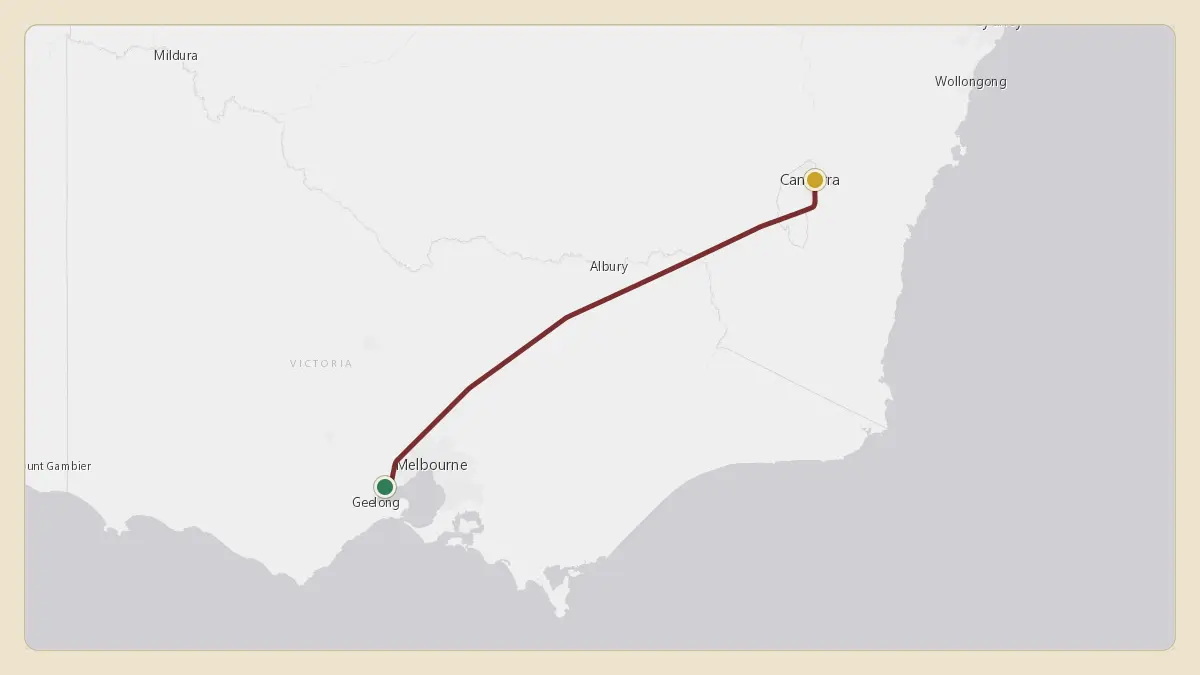
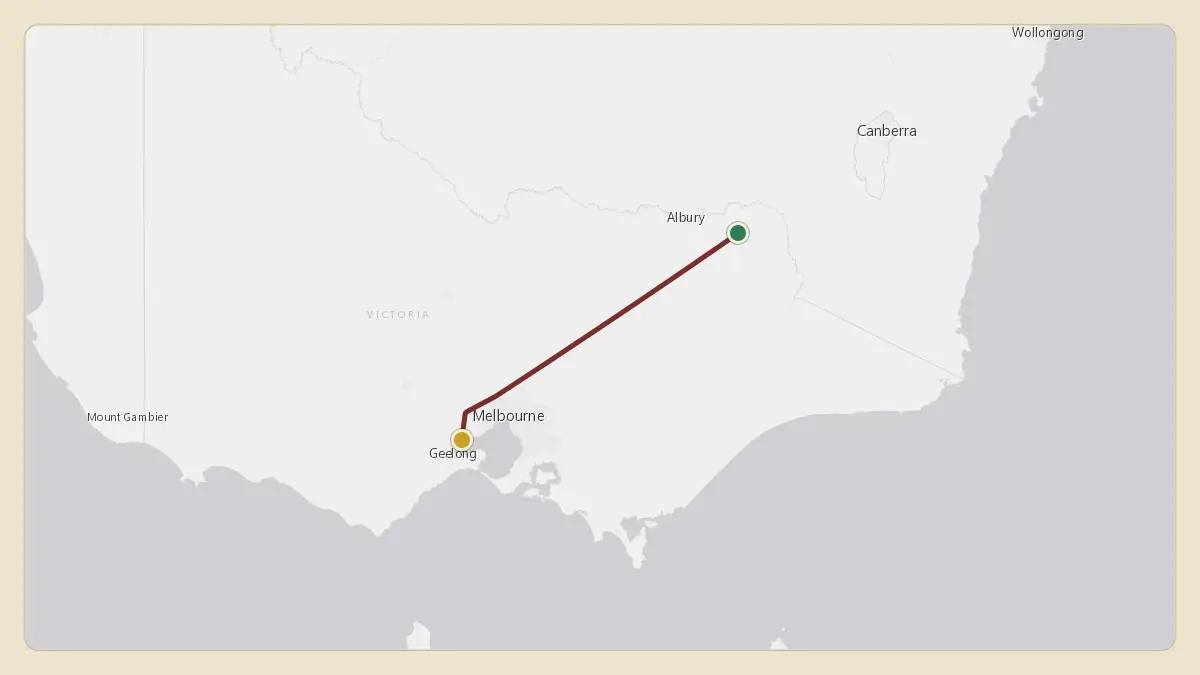
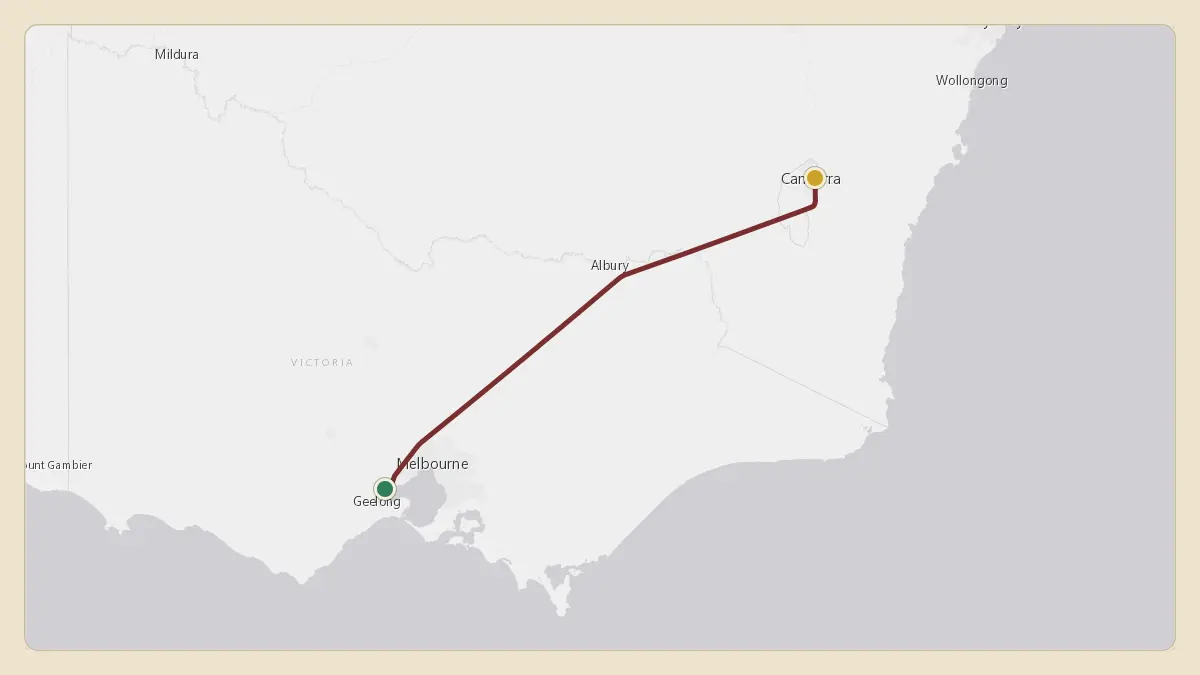
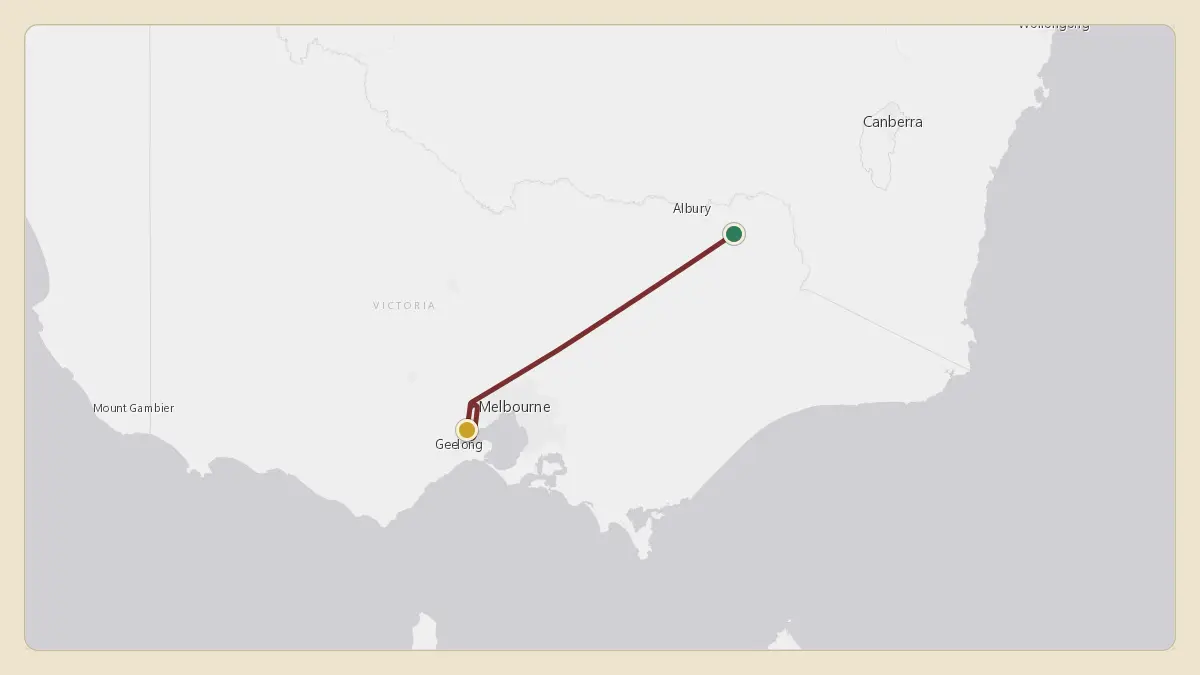
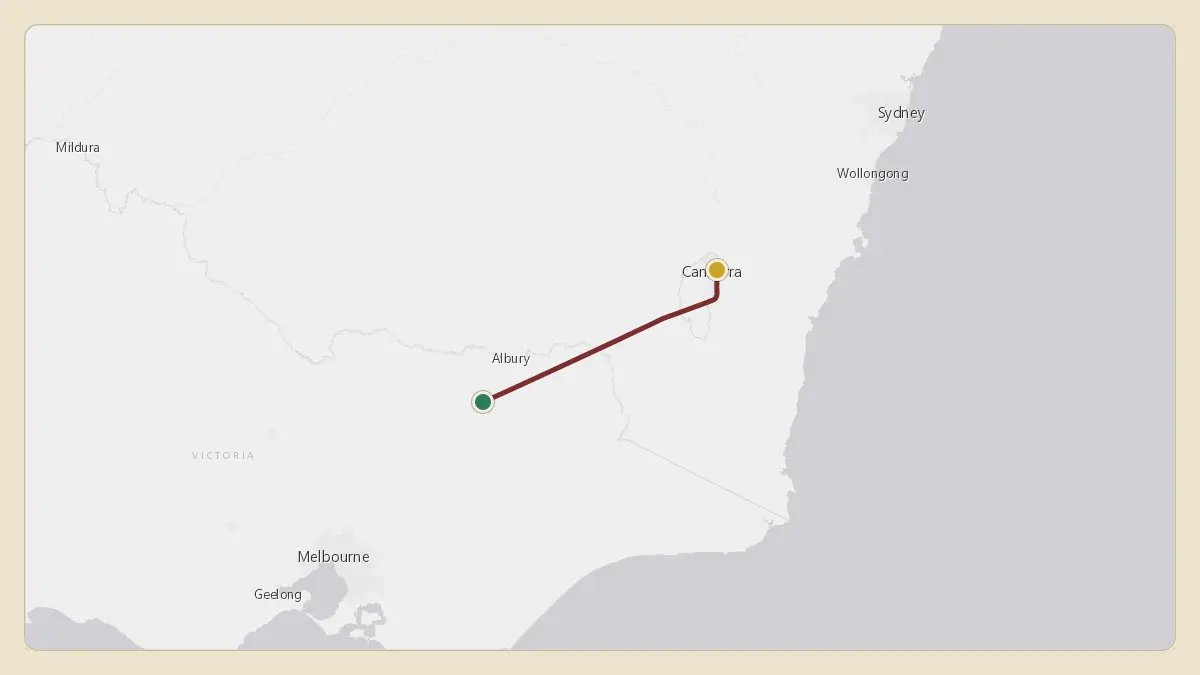
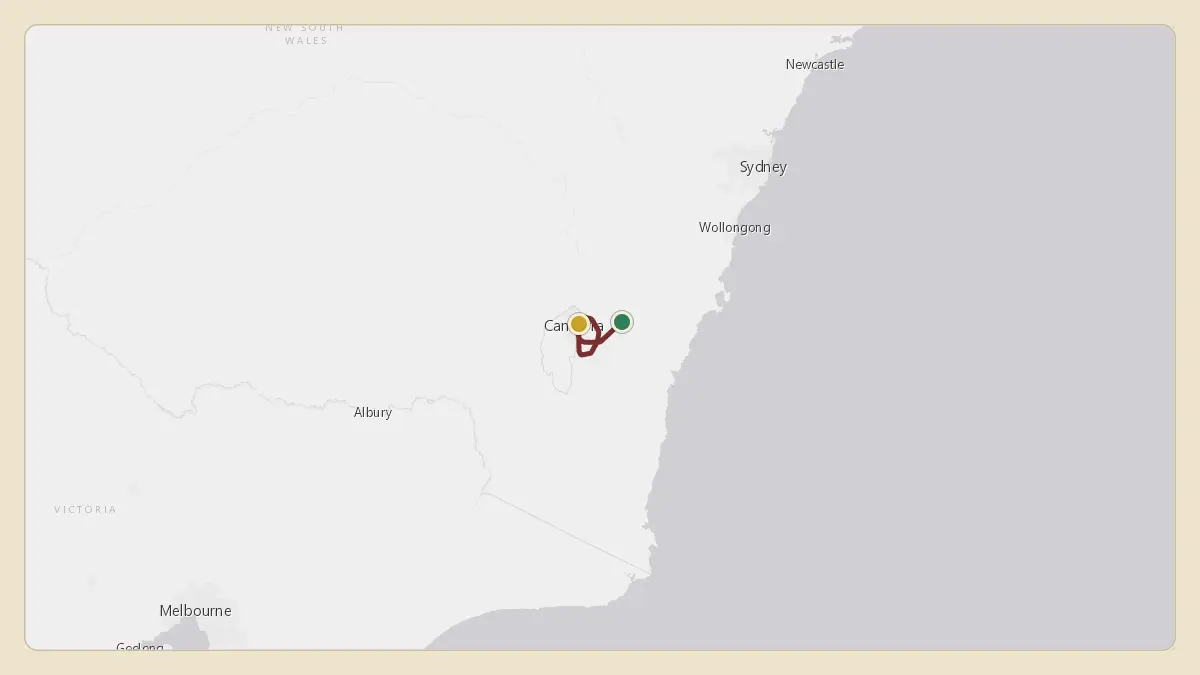
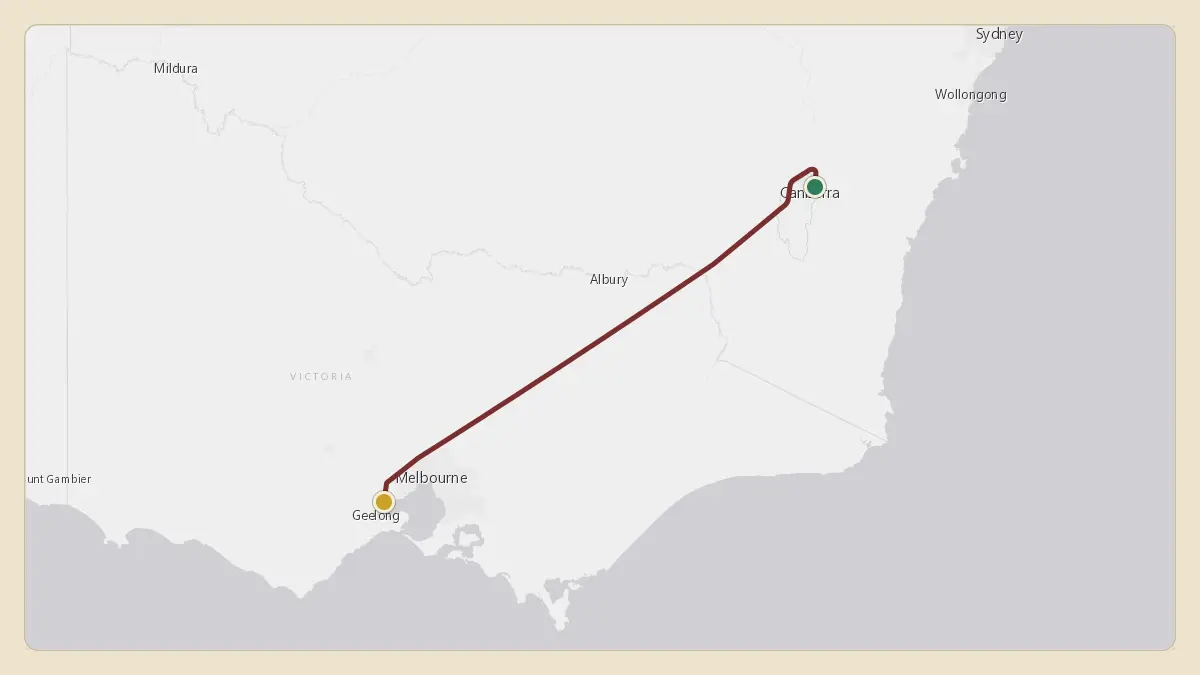
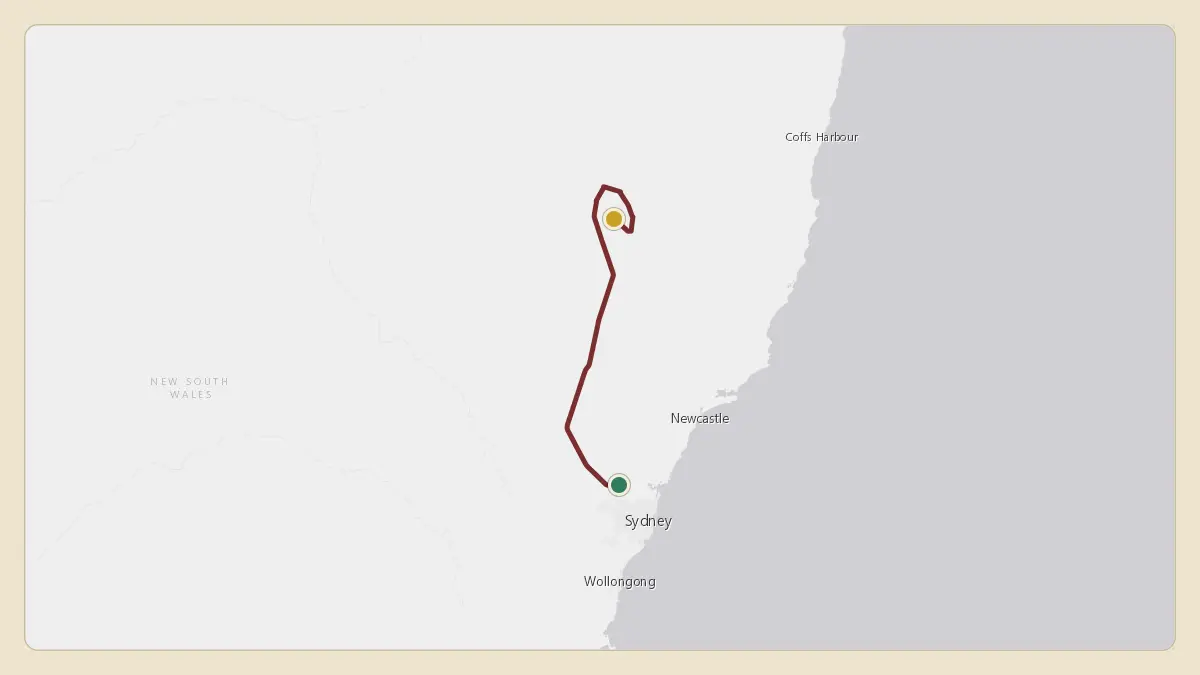
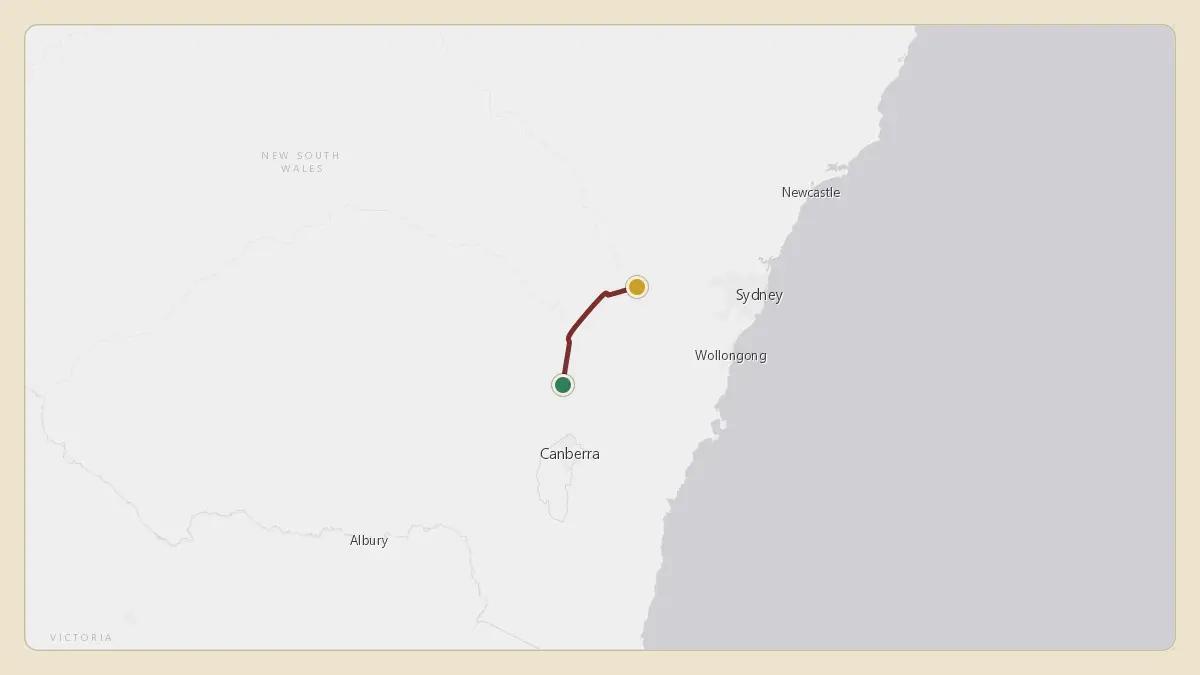
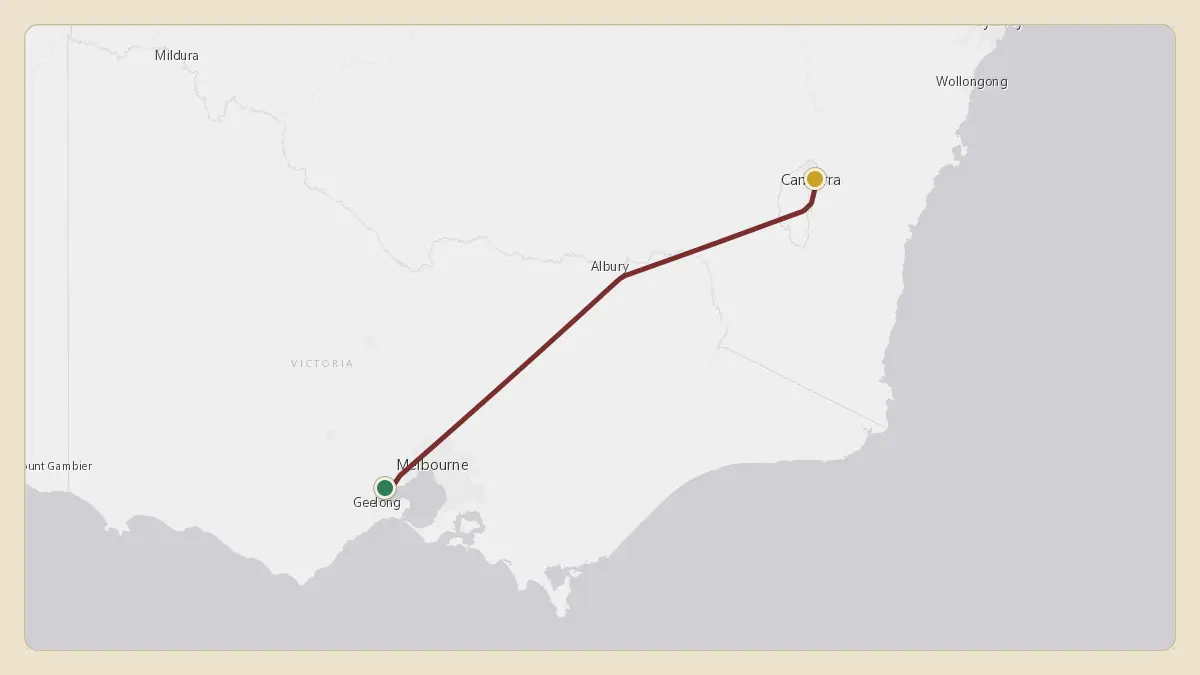
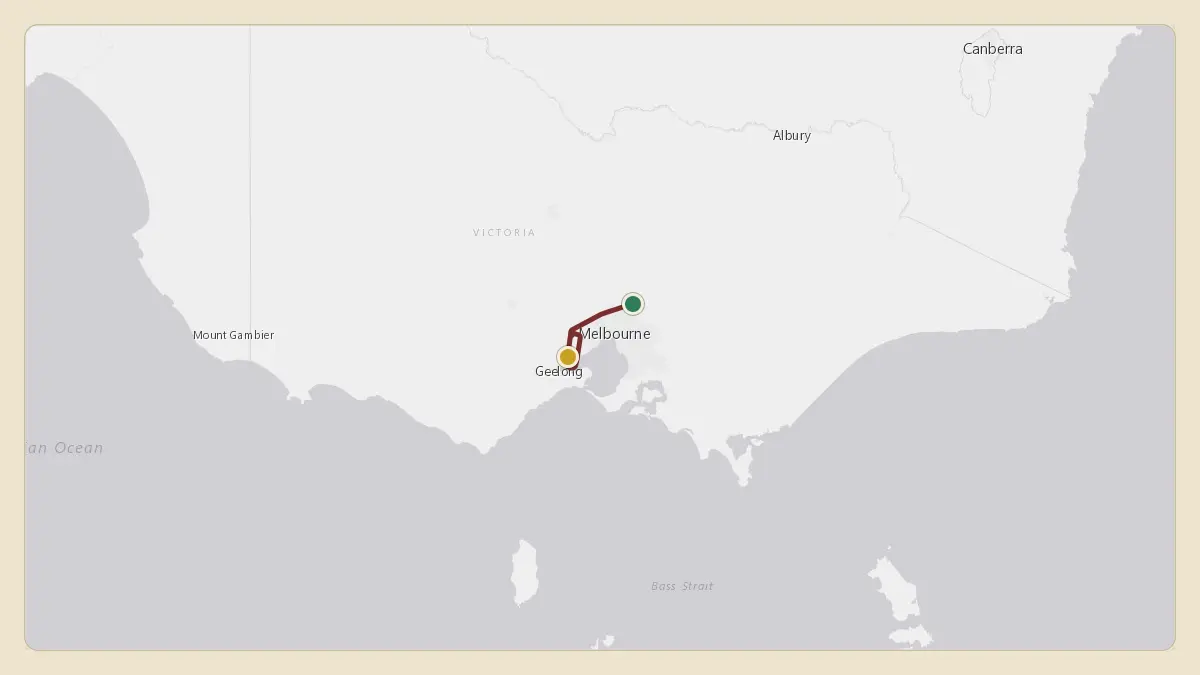
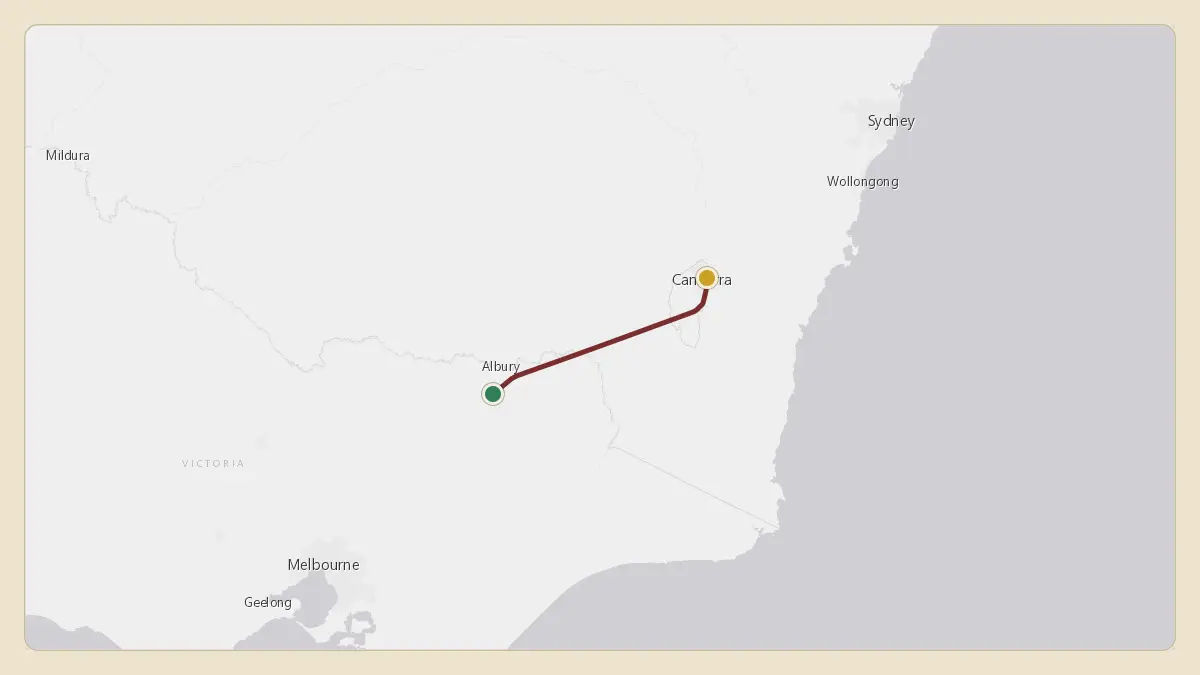
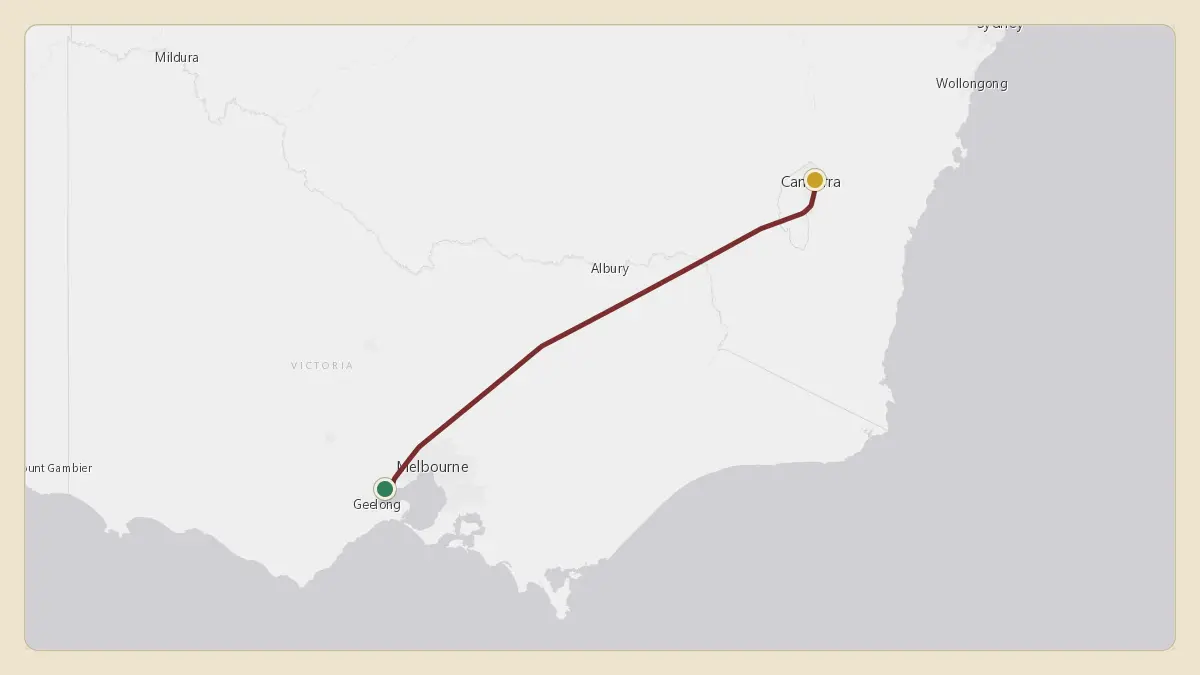
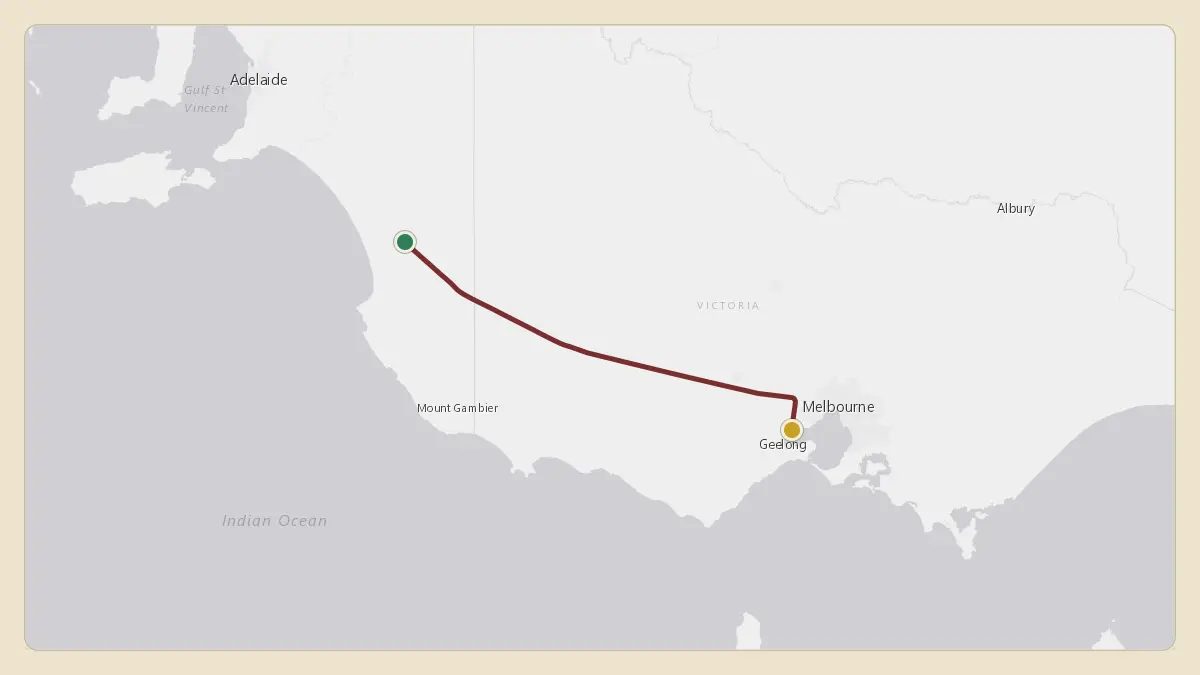
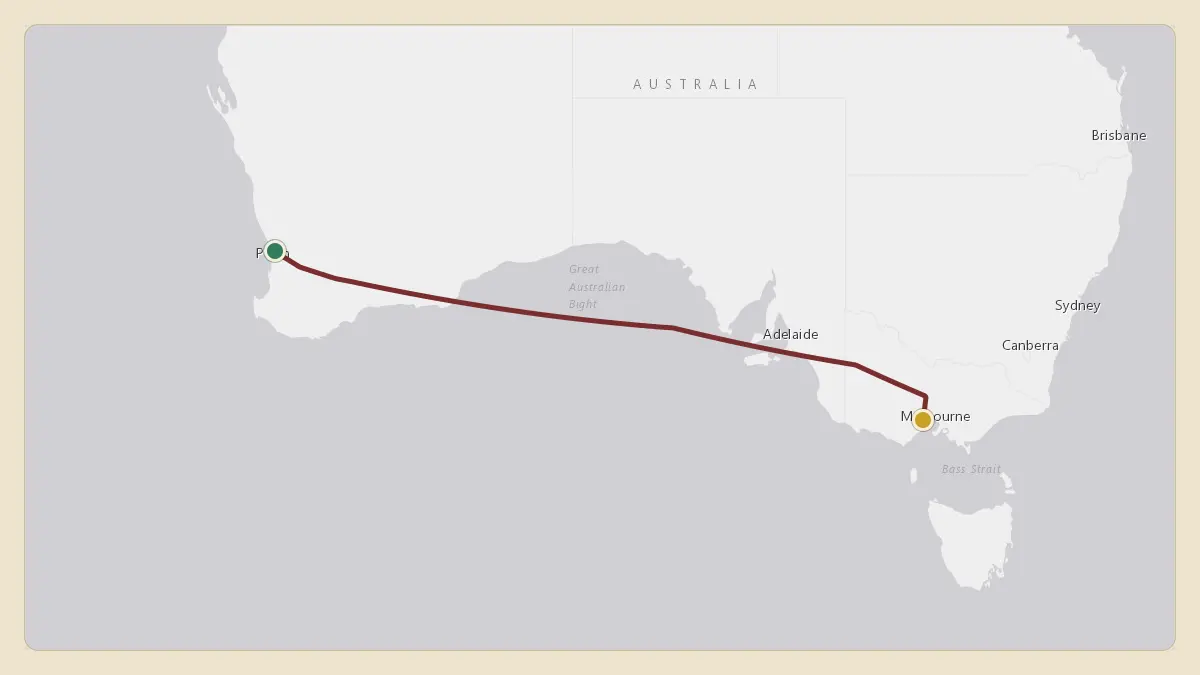
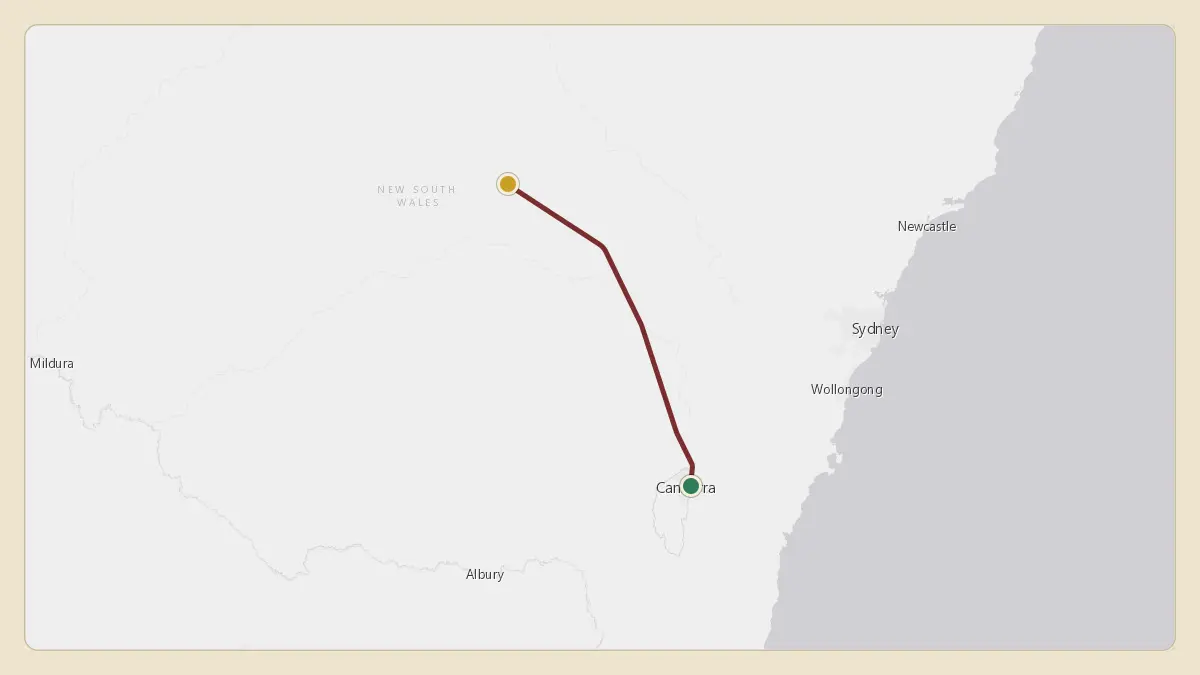
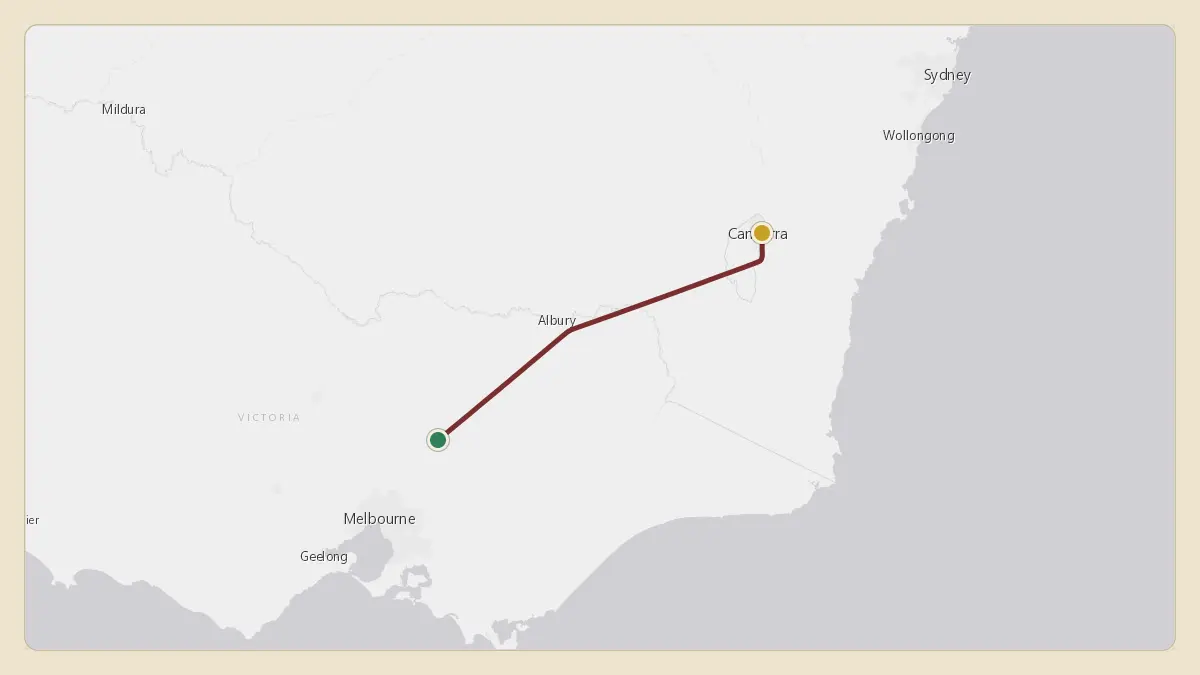
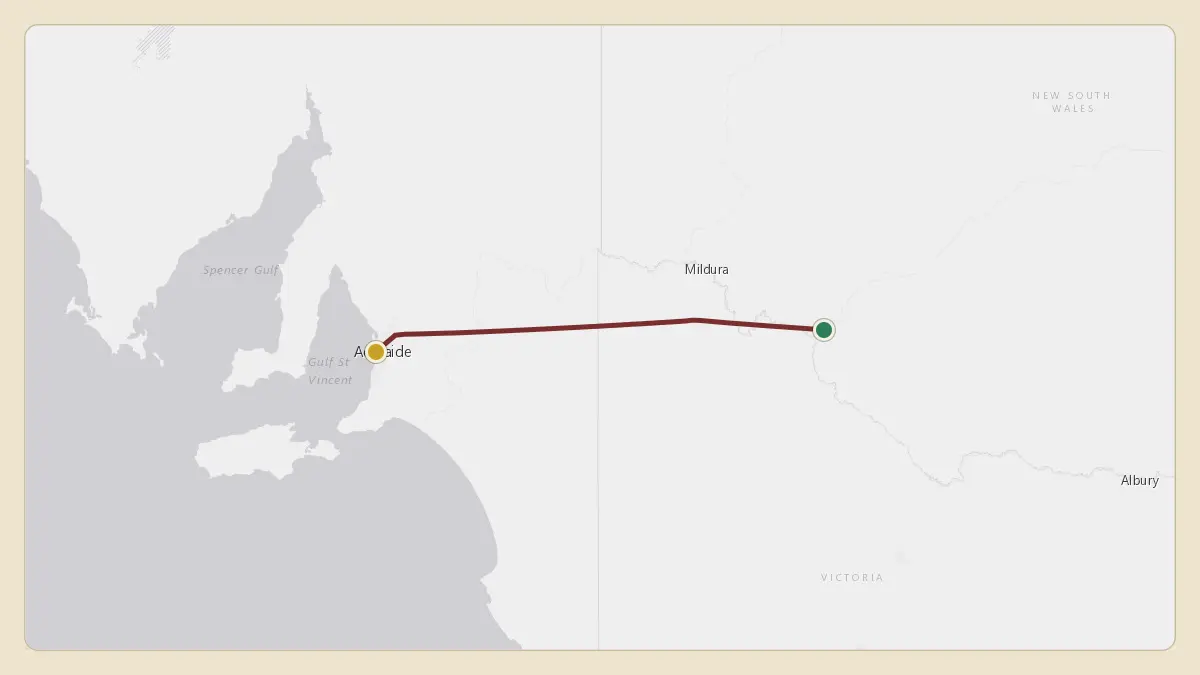
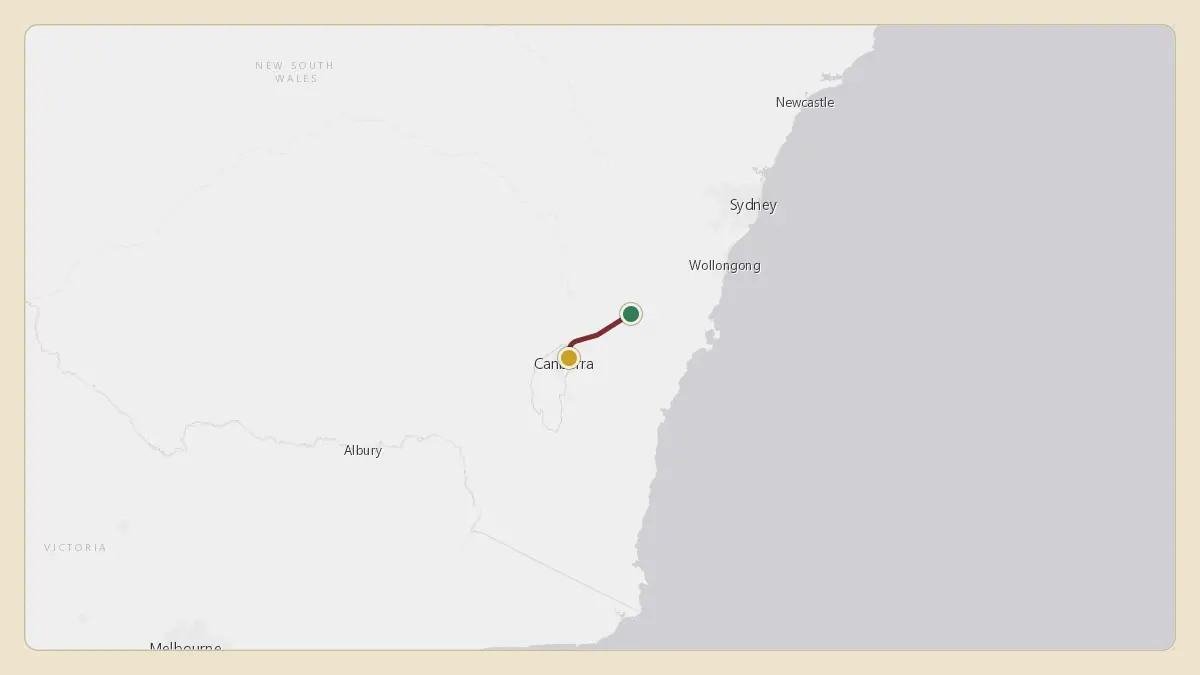
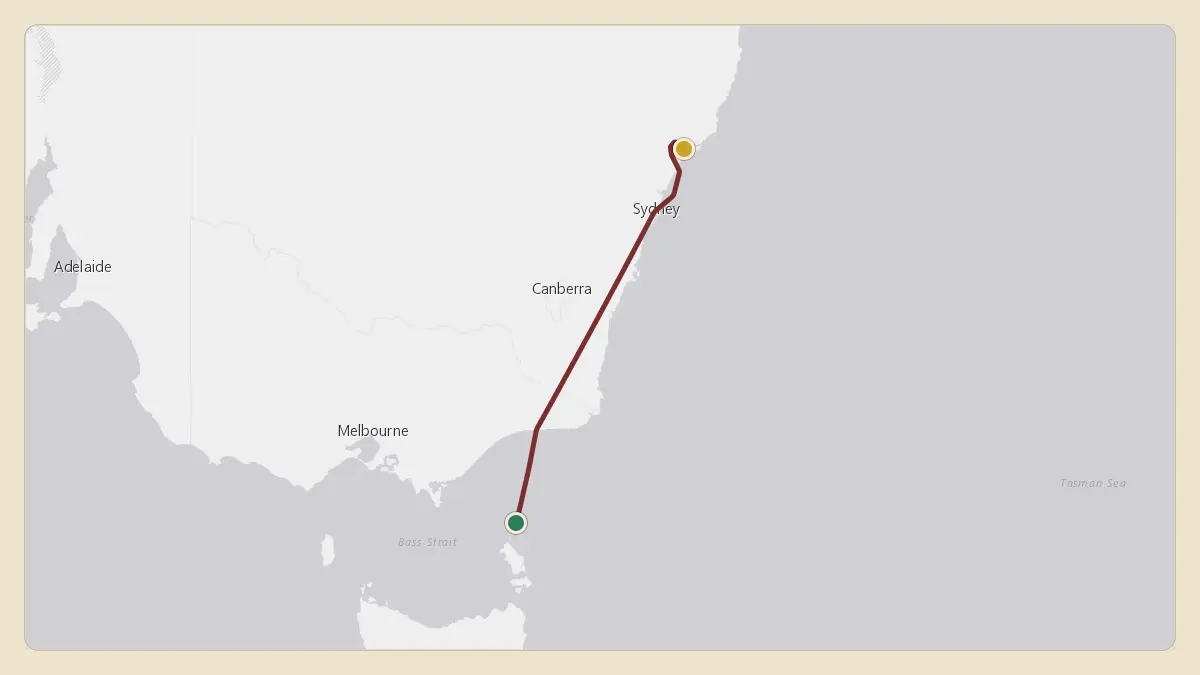
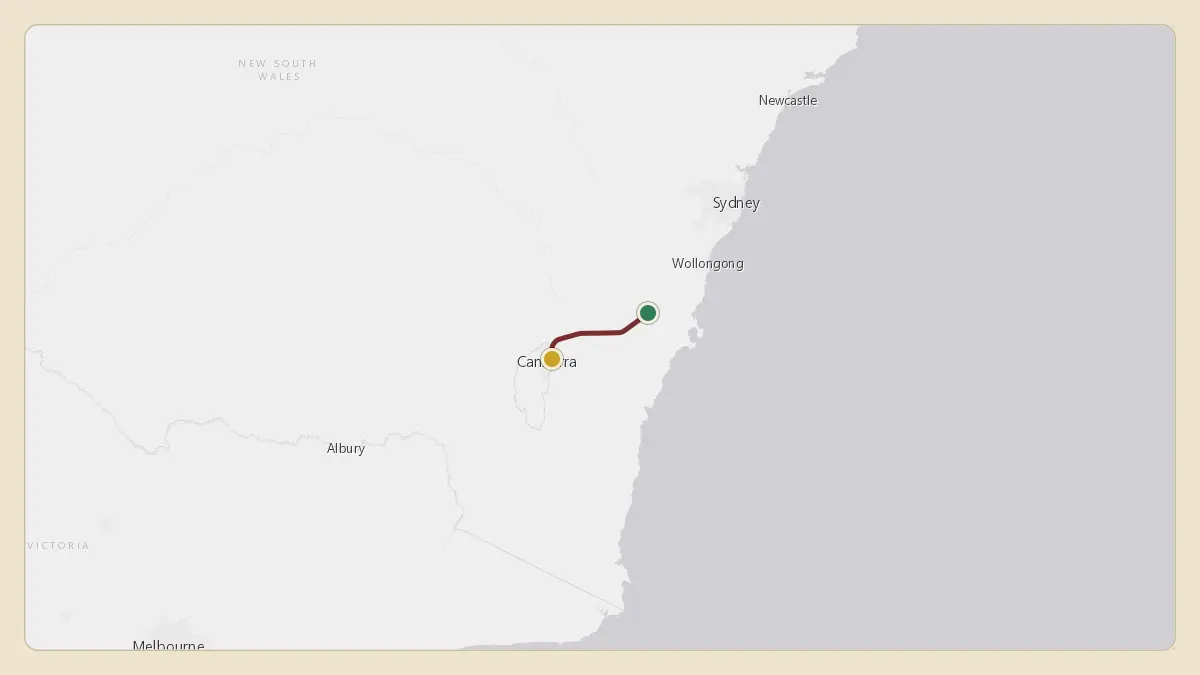
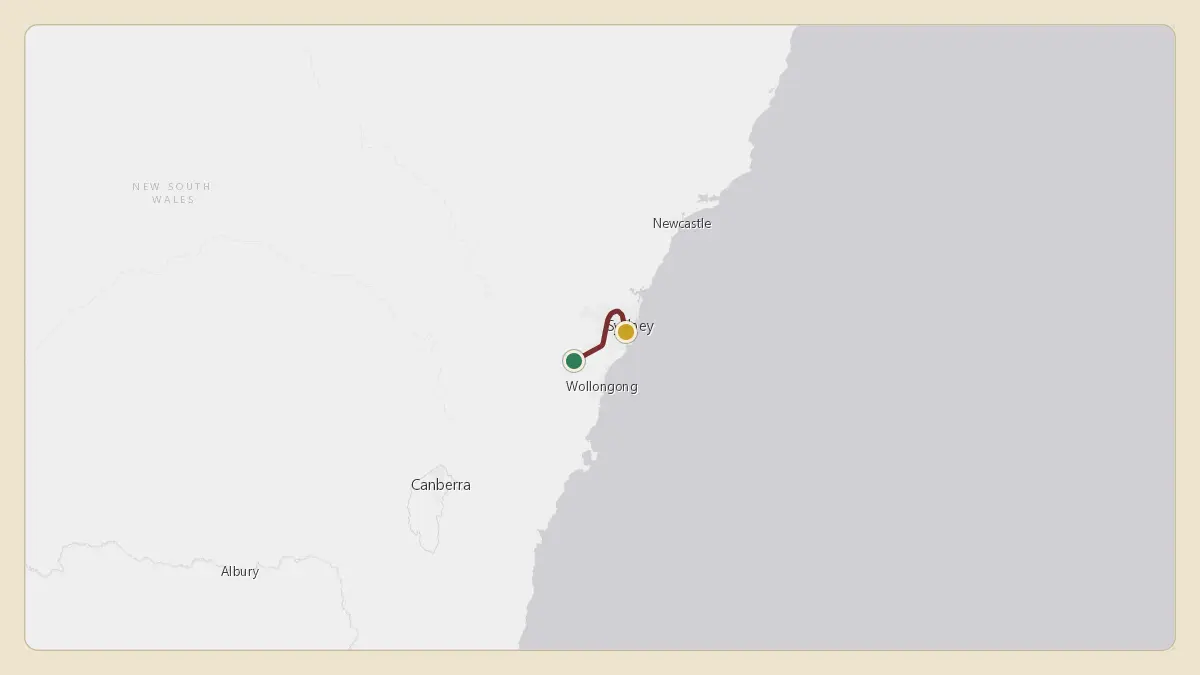
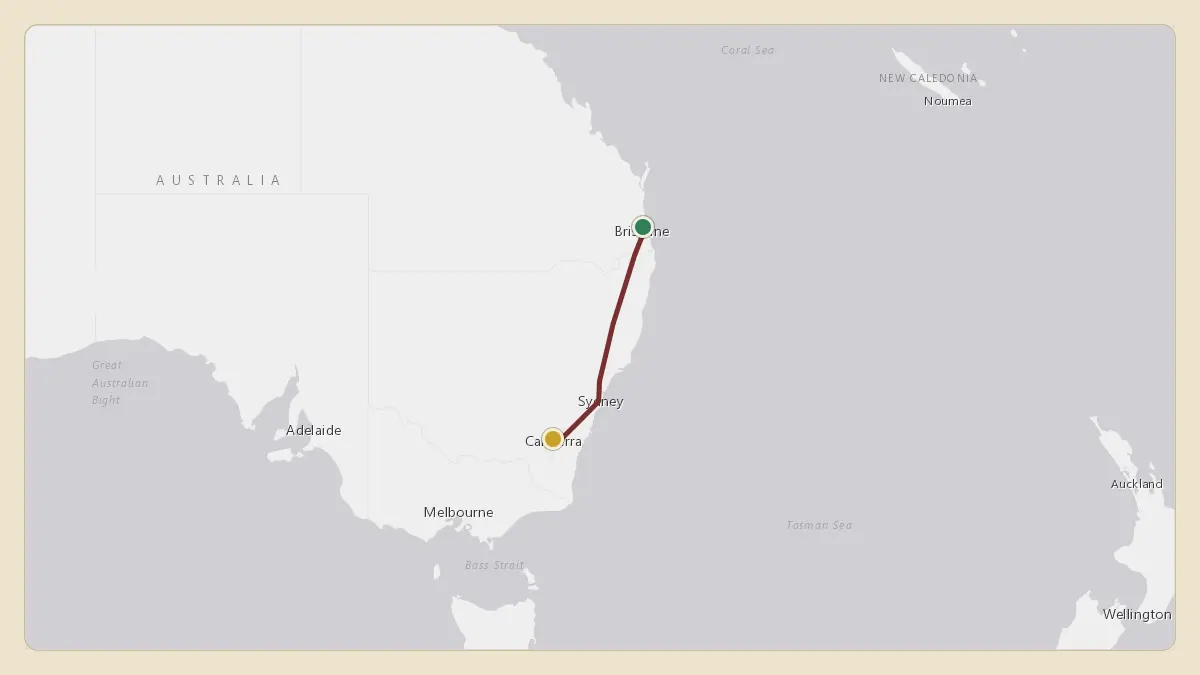
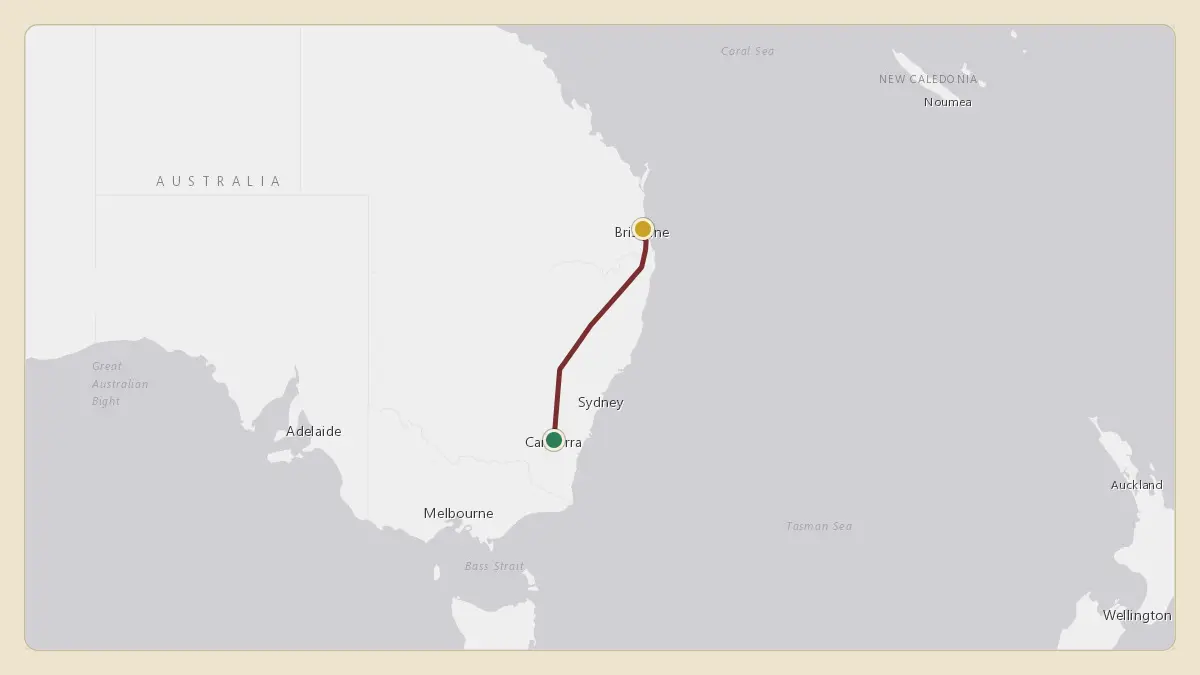
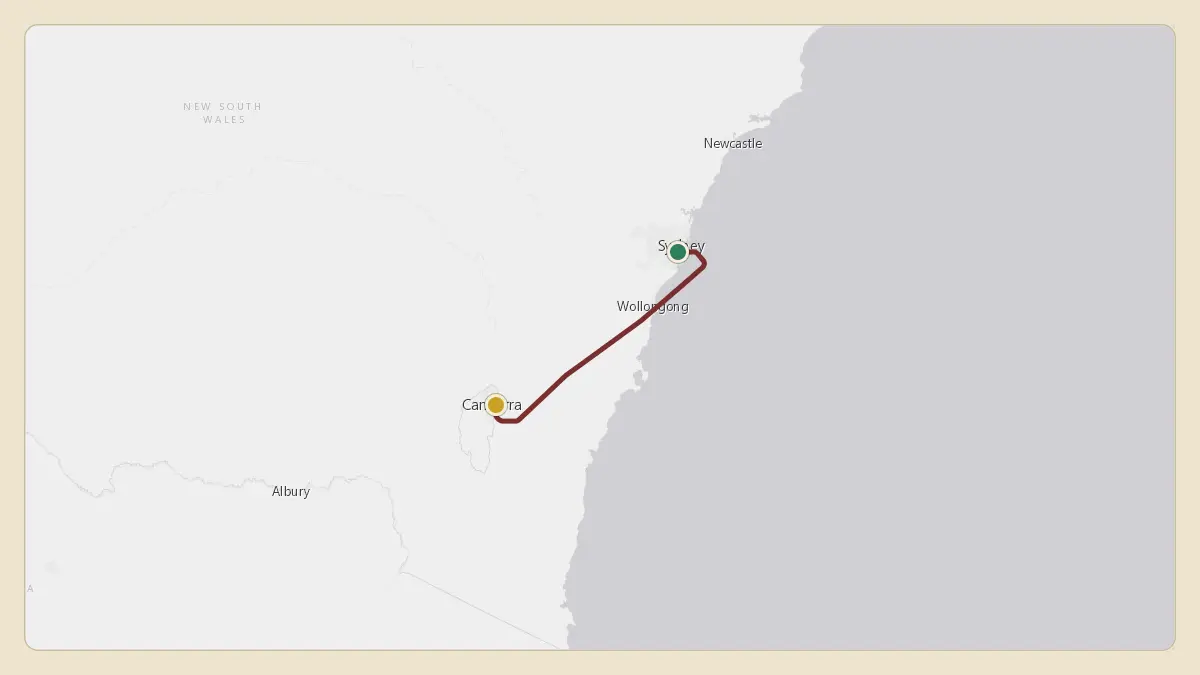
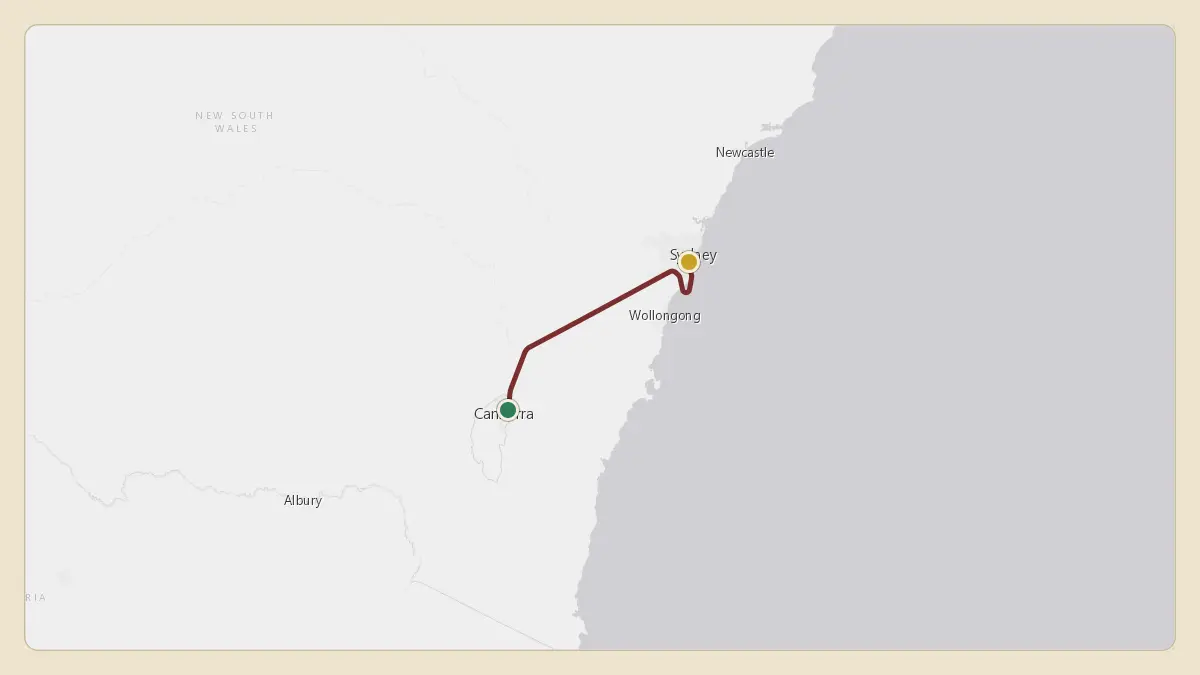
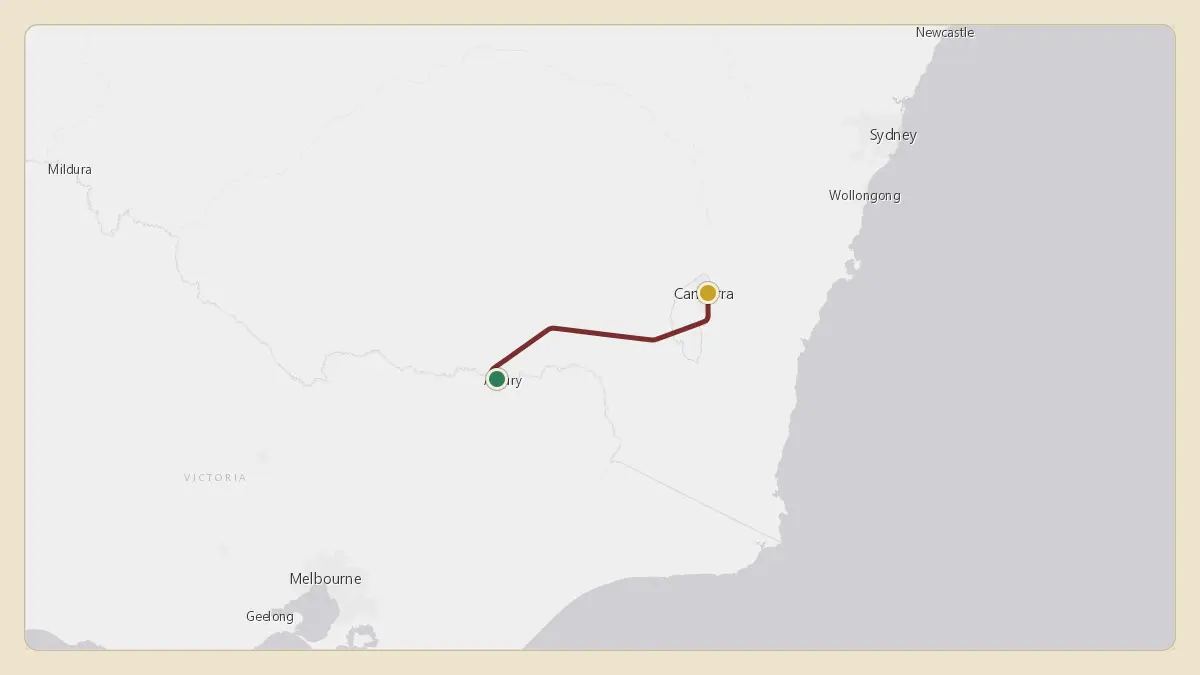
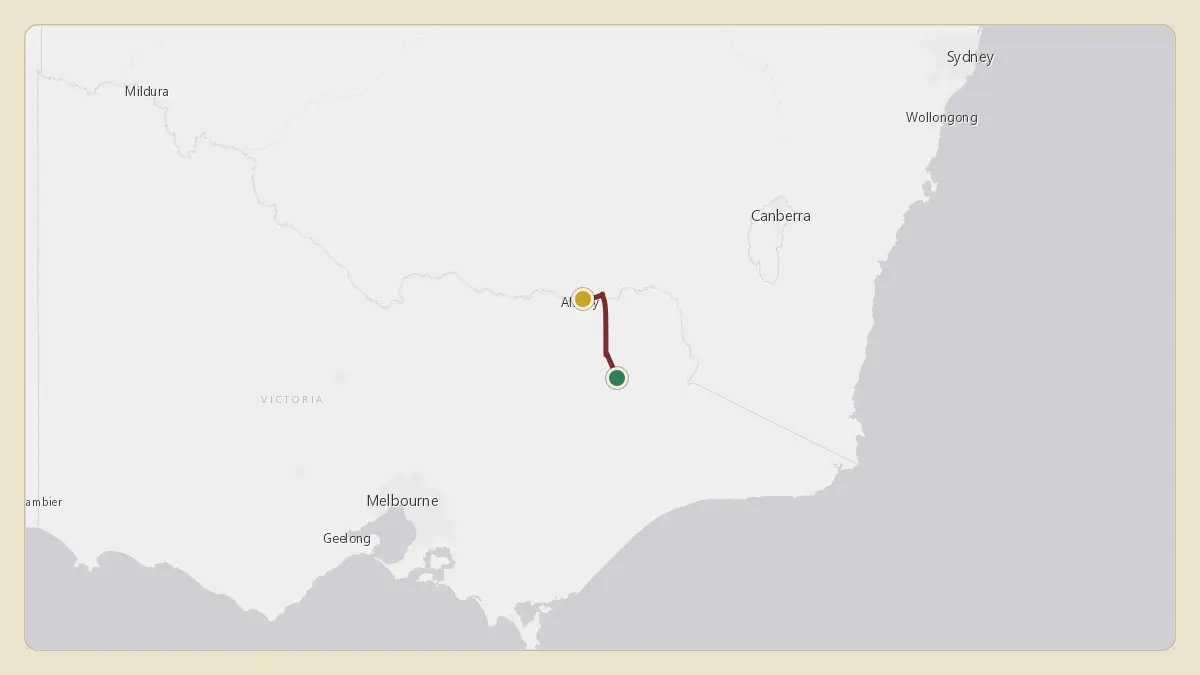
This report covers one recent flight in more detail.
October 30, 2026
The Australian government jet landed at Melbourne Avalon Airport on October 29 after a 7-hour, 16-minute flight from the Philippines.
Owner matches come from the FAA registry, adsb.lol (ODbL) and ADSB.fi data, and SEC filings. They may be incomplete or out of date. Methodology · Report an error. For observational use only.
We do not see it in the air right now. The last flight we tracked for Australian Government Flight's Boeing 737-8 BBJ MAX (A62-002) landed at Canberra Airport (YSCB) on November 22, 2026. Follow it on the live jet tracker map.
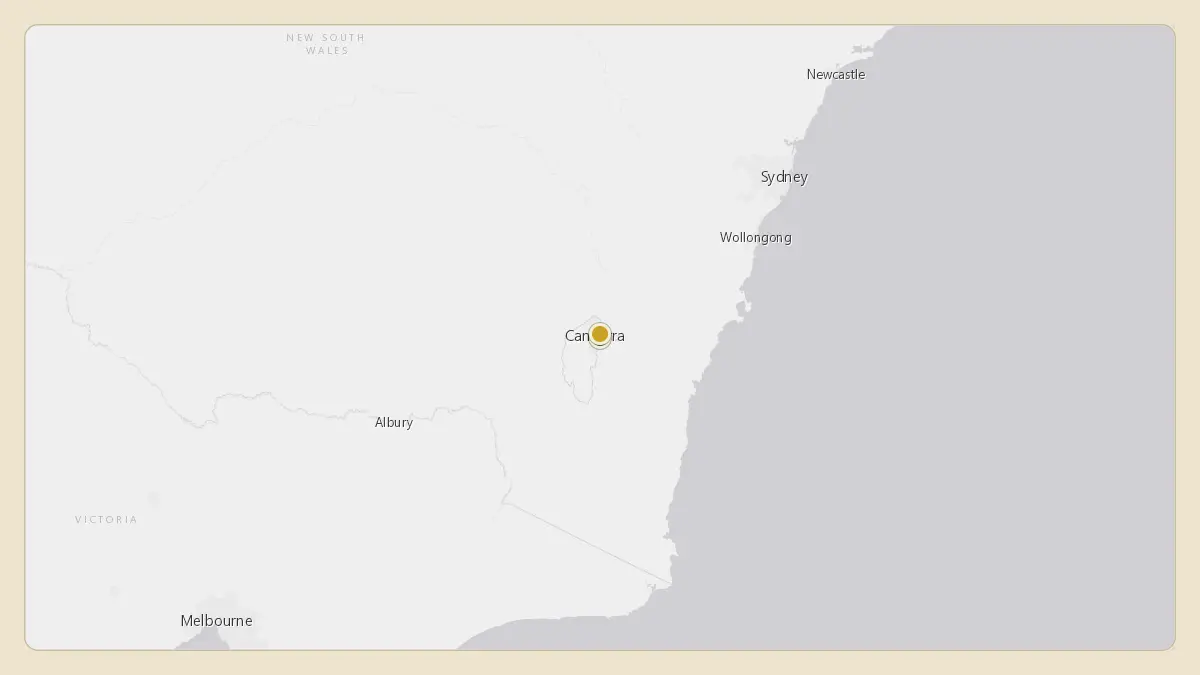
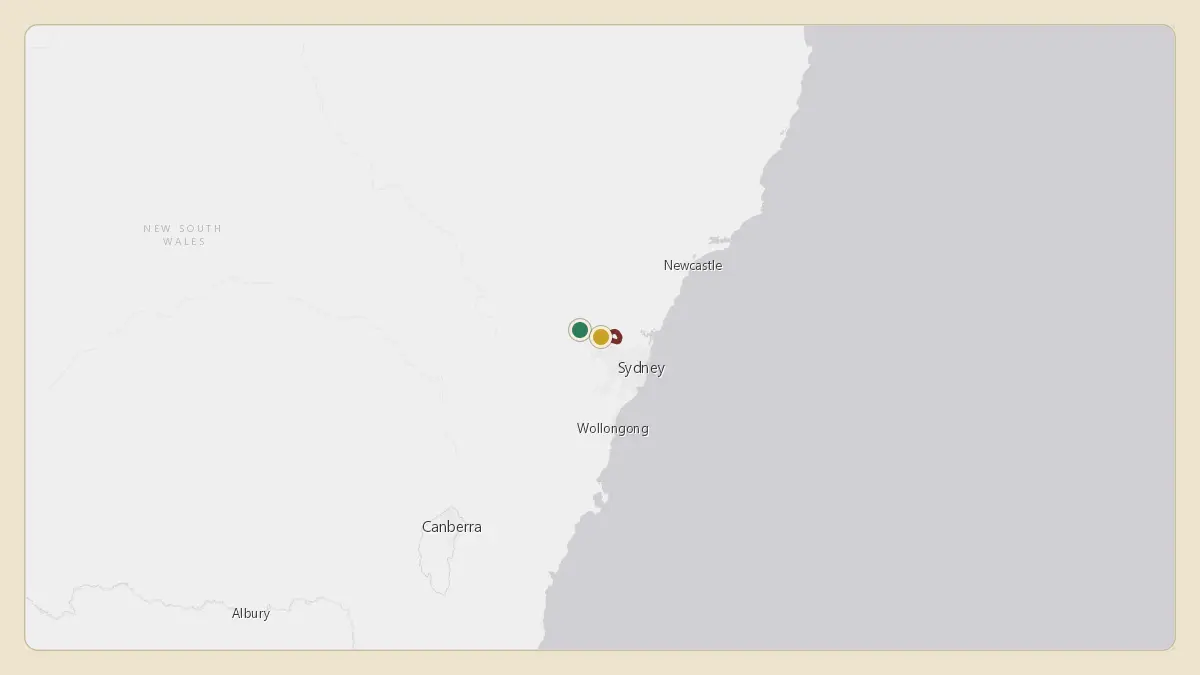
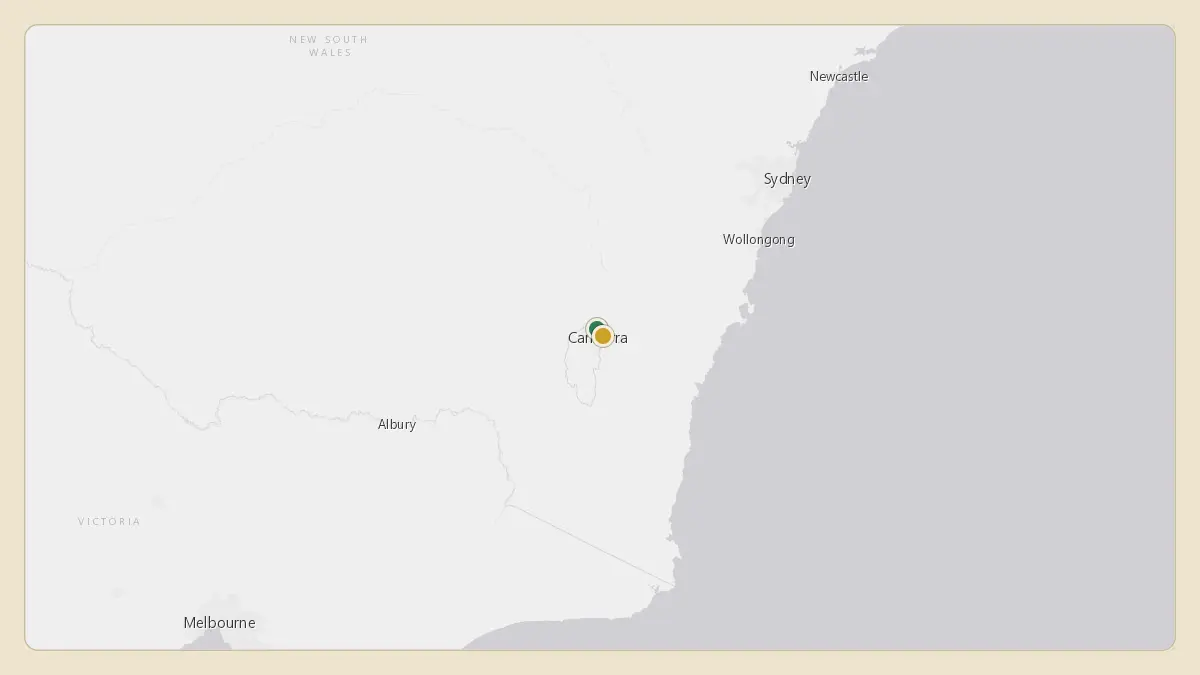
The map shows where Australian Government Flight's planes have flown. Each dot is a recorded position.
Australian Government Flight flies these planes: Boeing 737-8 BBJ MAX and Dassault Falcon 7X. The tail numbers are A62-001, A62-002 and A56-001. You can track each one live on this page, along with its flight history and CO₂.
Australian Government Flight flies a Boeing 737-8 BBJ MAX, tail number A62-001. It is an airliner. We also track 2 more planes on this page: Boeing 737-8 BBJ MAX (A62-002) and Dassault Falcon 7X (A56-001).
Australian Government Flight's planes have these tail numbers: A62-001 (Boeing 737-8 BBJ MAX), A62-002 (Boeing 737-8 BBJ MAX), A56-001 (Dassault Falcon 7X). Each tail number links to a live tracking page. There you can see the plane's flight history, fuel burn and CO₂.
About 2,690 kg for every hour in the air. Australian Government Flight's Boeing 737-8 BBJ MAX (A62-001) burns roughly 280 gallons of jet fuel an hour. That is about the same CO₂ as driving an average car 6,658 miles.
Australian Government Flight's home airport is Canberra Airport (YSCB / CBR). Frequent stops include YSSY, YPPH, YMML and KLAX.
About 92.4 metric tons of CO₂ over 50 tracked flights and 34 hours in the air. We start with the flight times from public ADS-B data. We multiply each hour by the maker's fuel burn figure. Then we apply the EPA standard of 9.57 kg of CO₂ per gallon of jet fuel.
Yes. The FAA requires planes with transponders to broadcast their position over ADS-B, and the signal is not encrypted. We collect that public data from adsb.lol and ADSB.fi, two open flight-tracking networks. News outlets and university researchers use the same kind of data. Our methodology page explains how it works.