Boeing 787-8 BBJ
HL8508 · ICAO: 71C508 · Airliner jet
Fuel burn
800 gal/hr
CO₂ per hour
7,685 kg
Car miles equiv.
19,023

Samsung Group is a South Korean multinational conglomerate headquartered in Samsung Town, Seoul, with its primary electronics division, Samsung Electronics, based in Suwon. The company previously operated its own private aircraft fleet but sold three jets (two Boeing 737s and one Bombardier Global Express) and six helicopters to Korean Air in 2015. Since then, Samsung has relied on chartering private aircraft from Korean Air's VIP charter division when needed. Samsung Electronics Executive Chairman Lee Jae-yong is known to use Korean Air's private jets for international trips. Samsung executives travel extensively to connect their Korean headquarters with global operations, including semiconductor fabrication plants, R&D centers, and sales offices worldwide. Key destinations include Tokyo, Beijing, San Francisco/San Jose (Silicon Valley), New York, London, and Delhi. The Samsung Digital City campus in Suwon includes a dedicated heliport and helicopter for executive transport.
Note · We track Samsung's planes, not Samsung in person. Flight data shows when and where each plane flew. It does not show who was on board.
Over the last 42 completed flights we tracked, Samsung's private jet spent about 180 hours in the air. We estimate those flights put out 1382.3 metric tons of CO₂.
Total flights
42
Total CO₂
1382.3t
Flight hours
180h
We track one private jet for Samsung: a Boeing 787-8 BBJ with tail number HL8508.
HL8508 · ICAO: 71C508 · Airliner jet
These are the last 42 flights we tracked for Samsung's private jet, newest first. Open a flight to see its route map, time in the air, top altitude and speed.
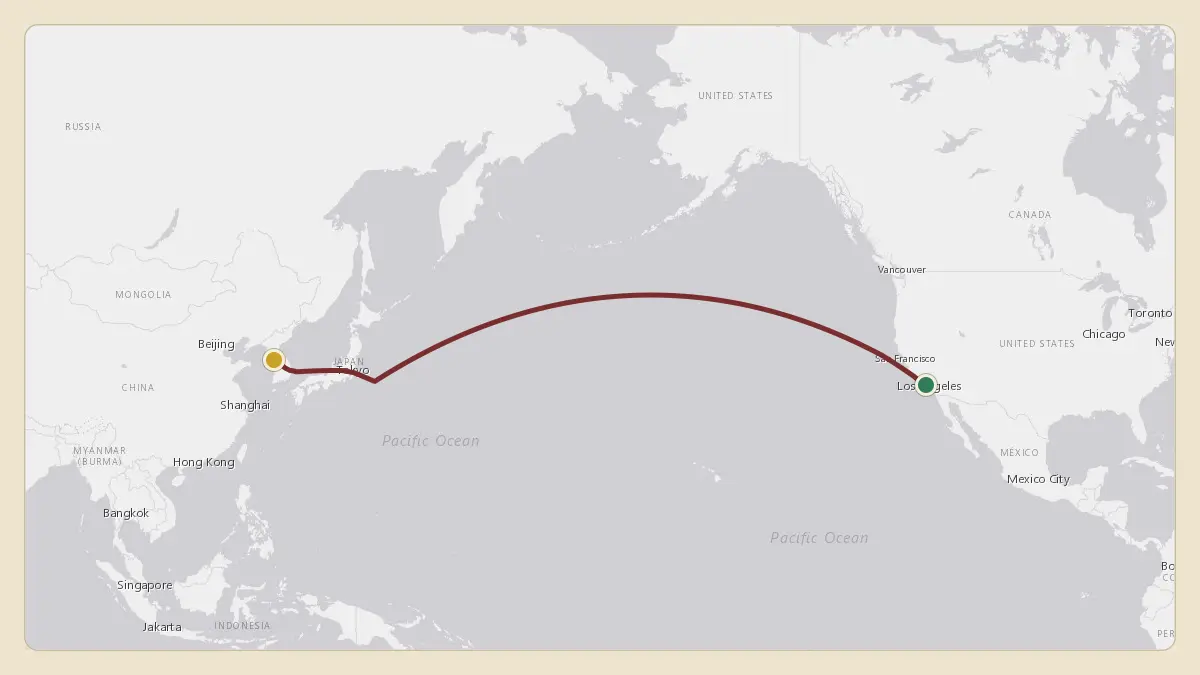
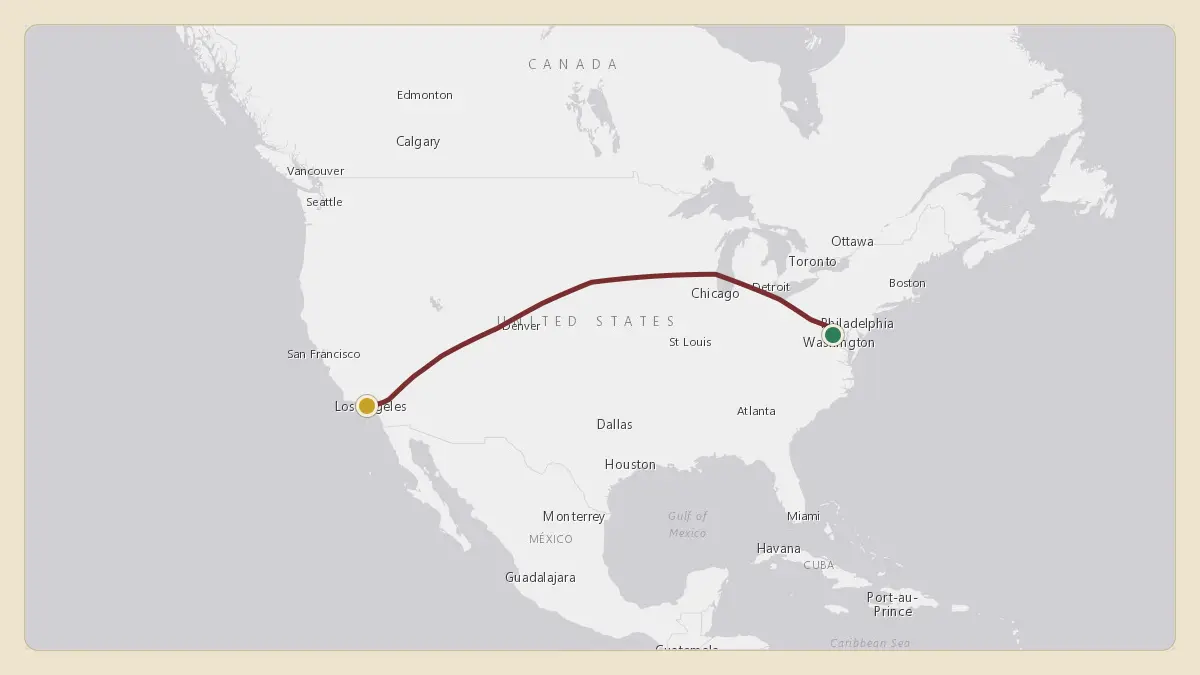
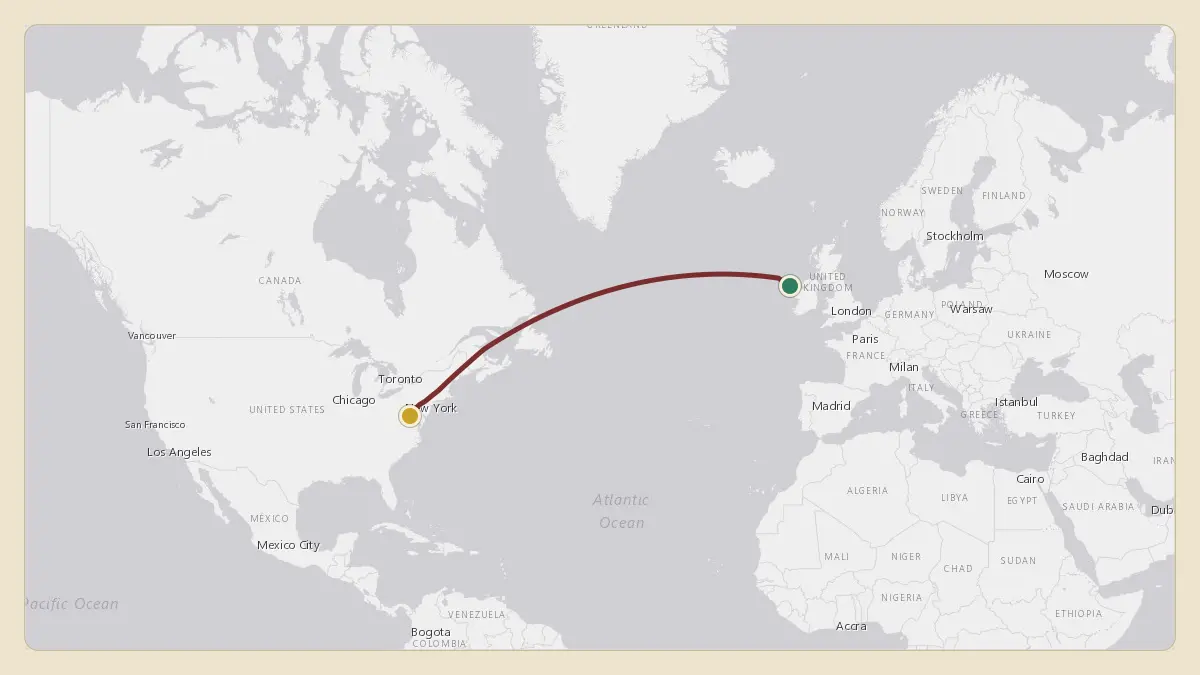
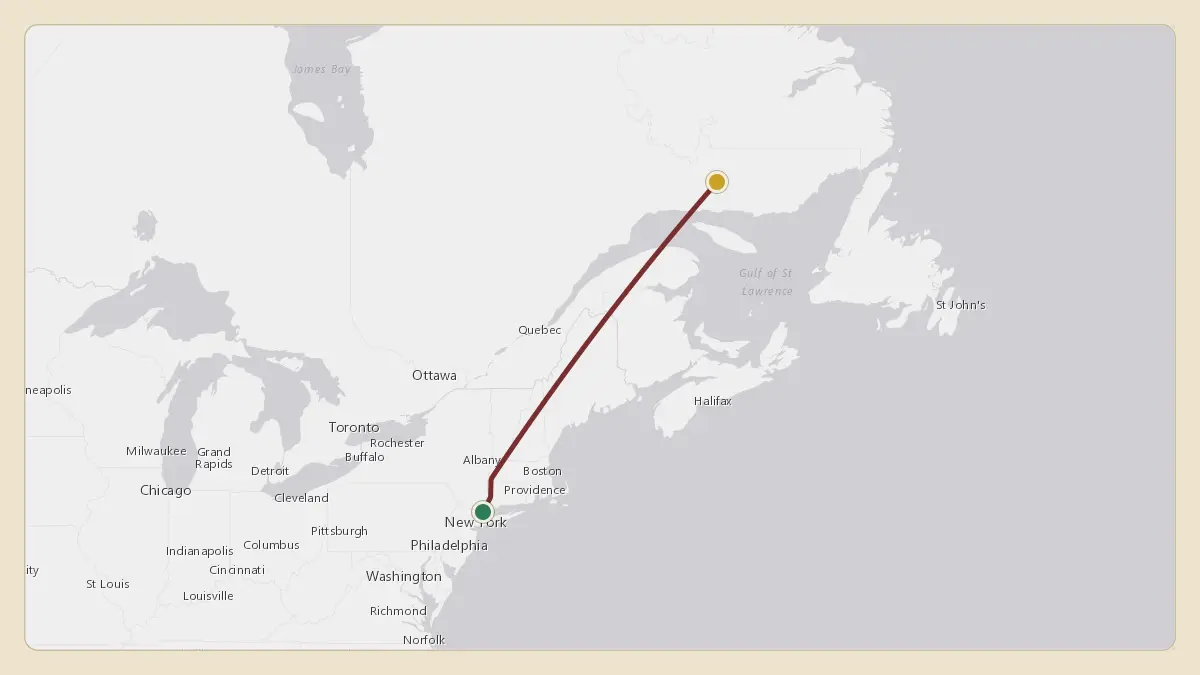
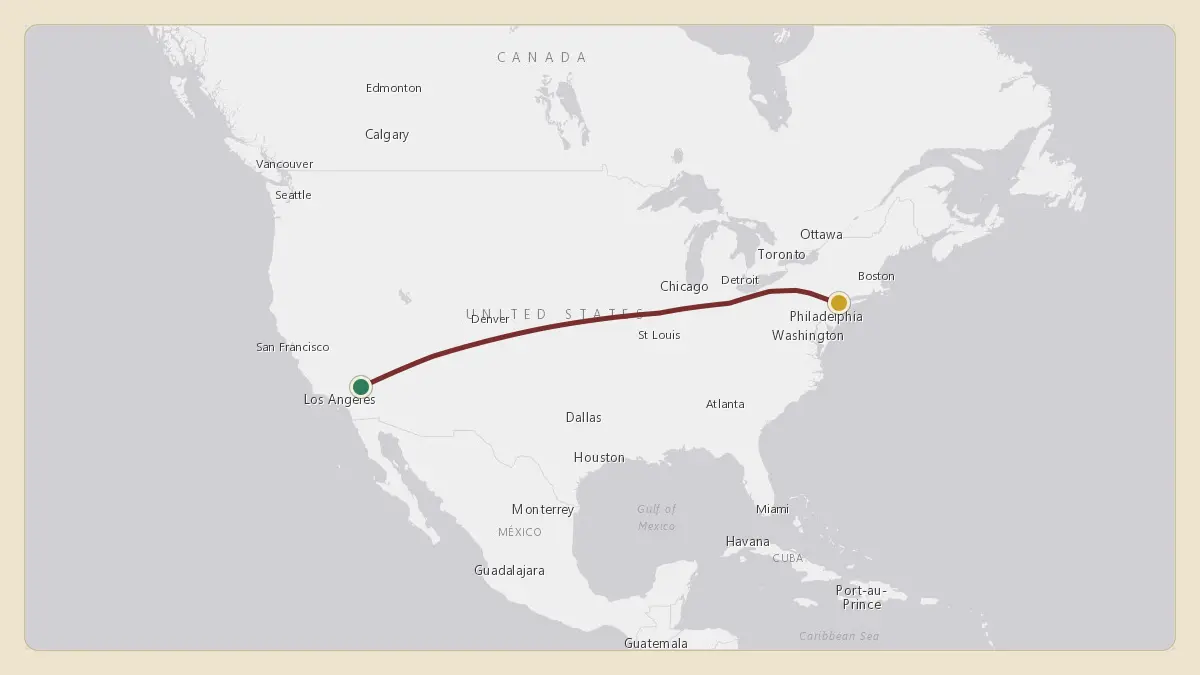
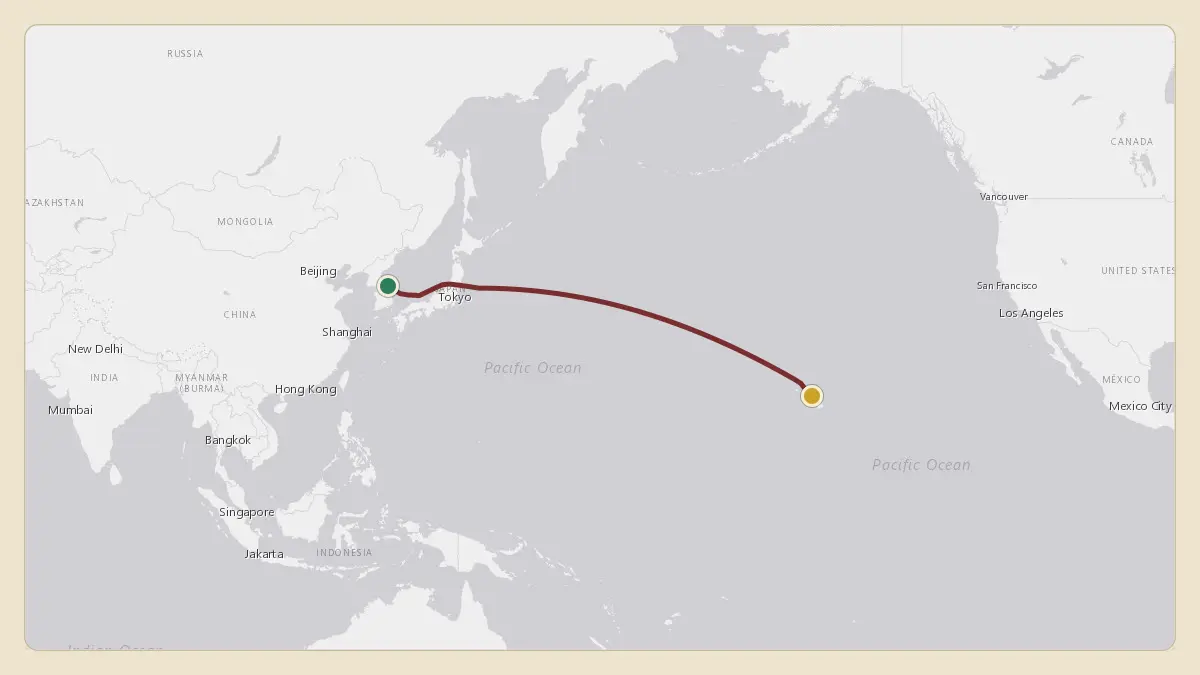
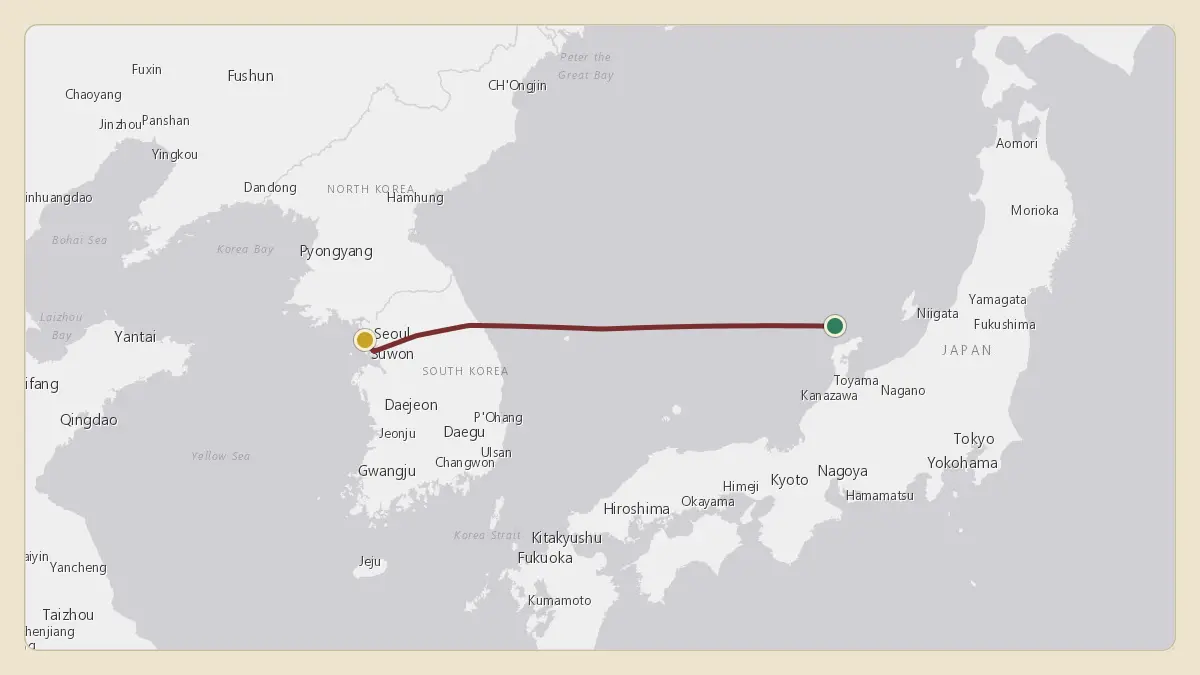
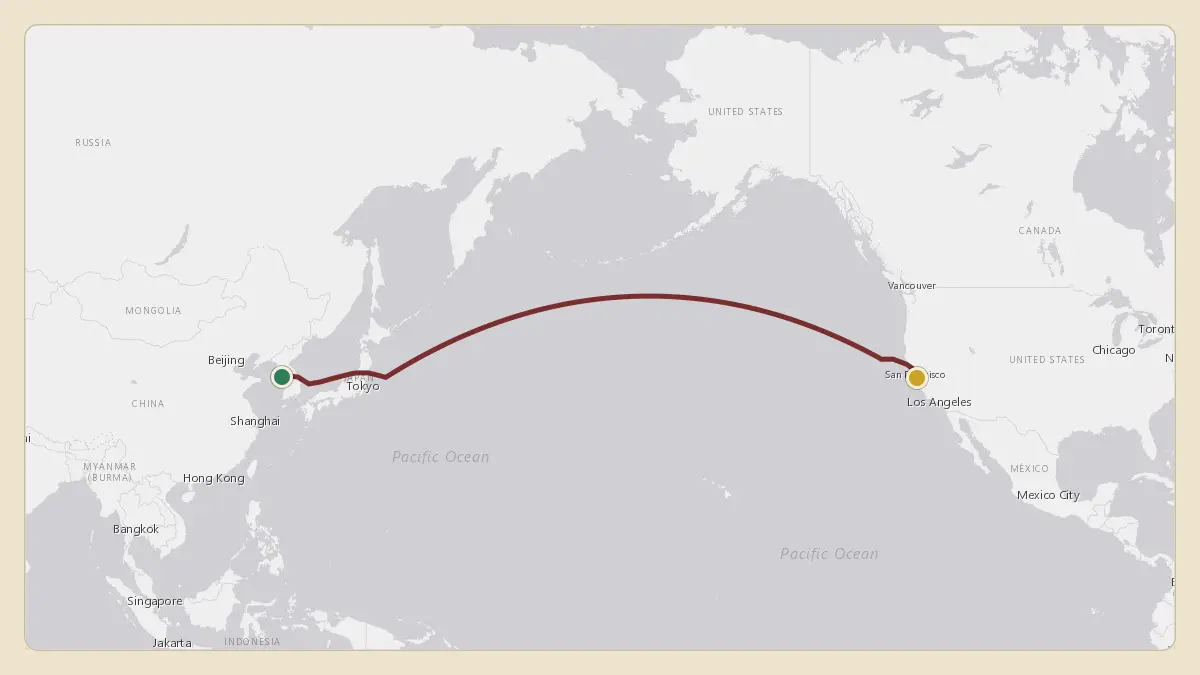
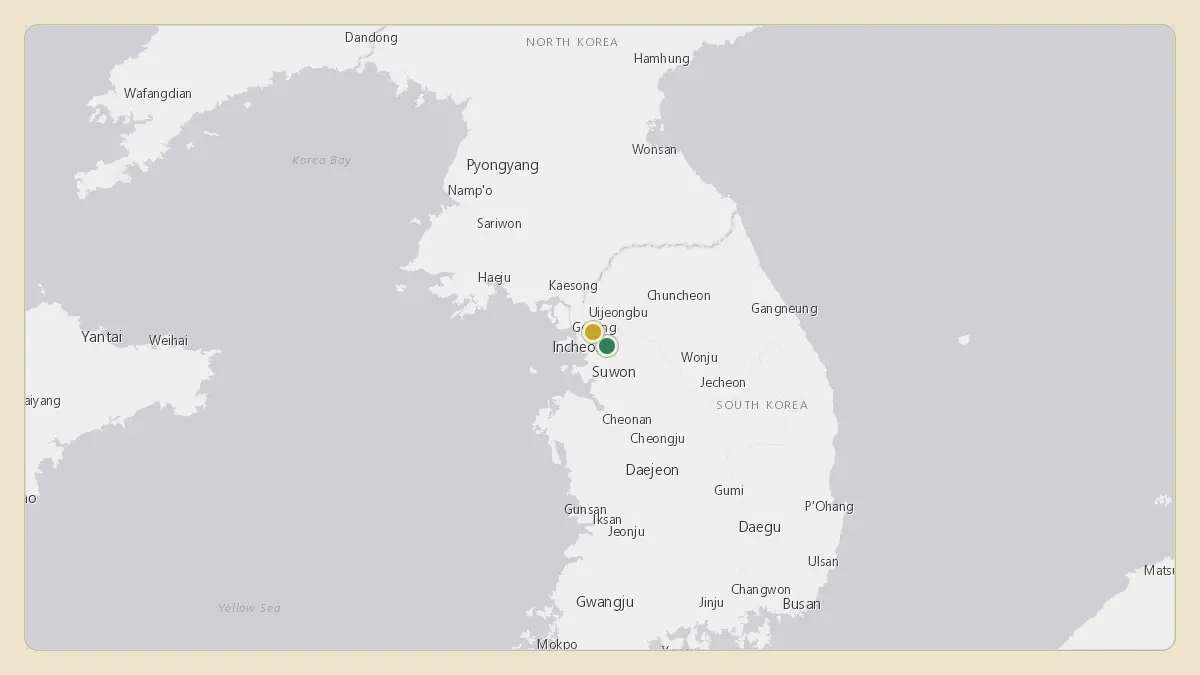
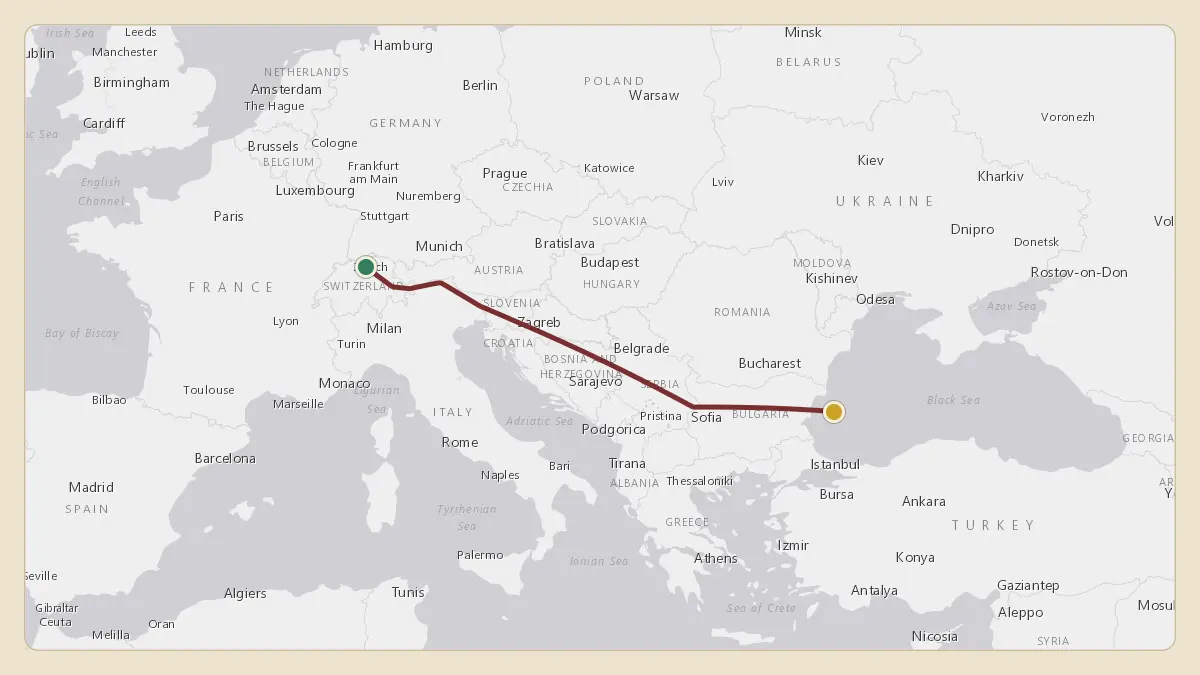
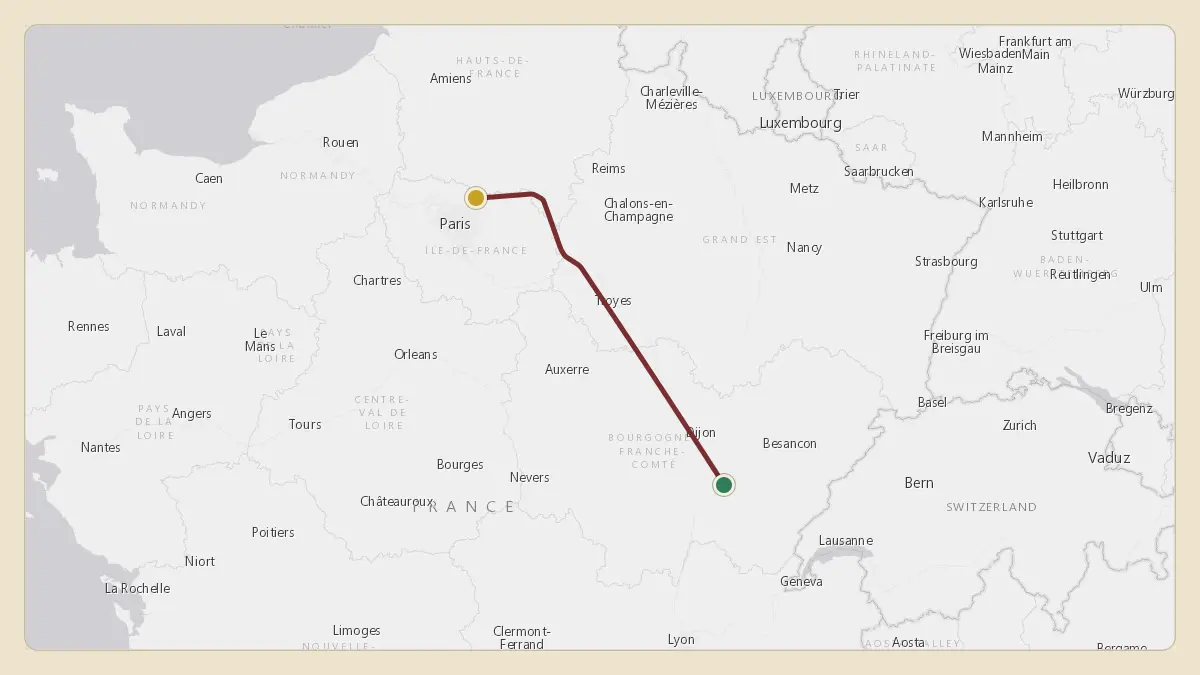
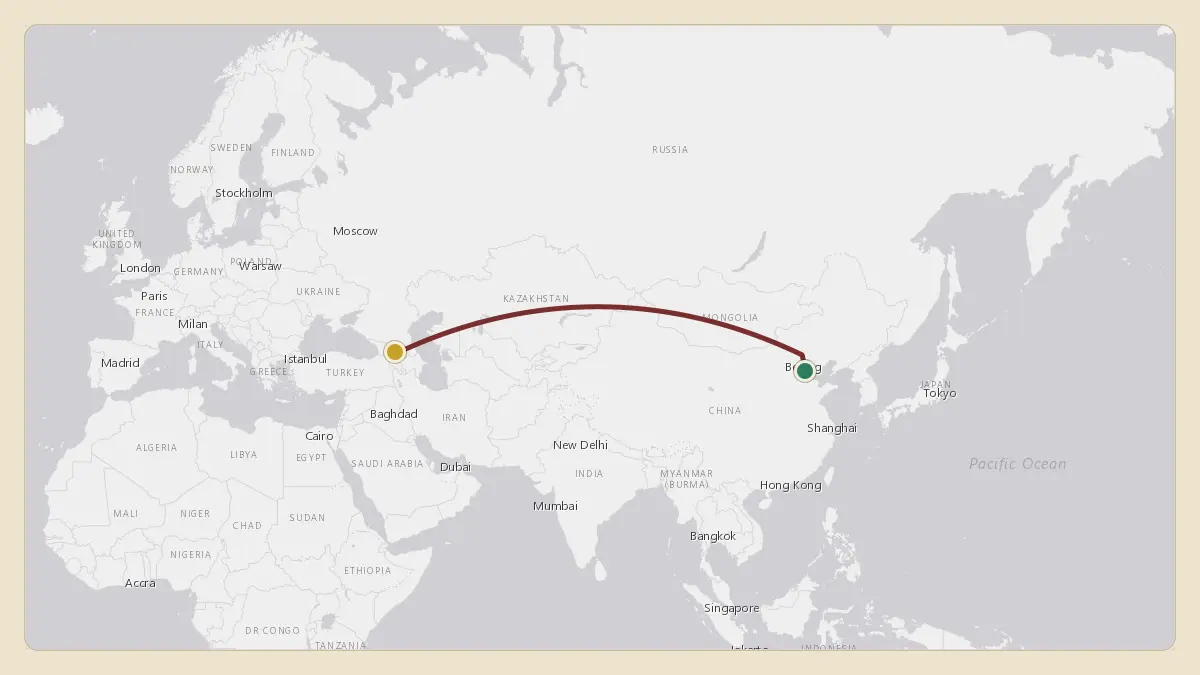
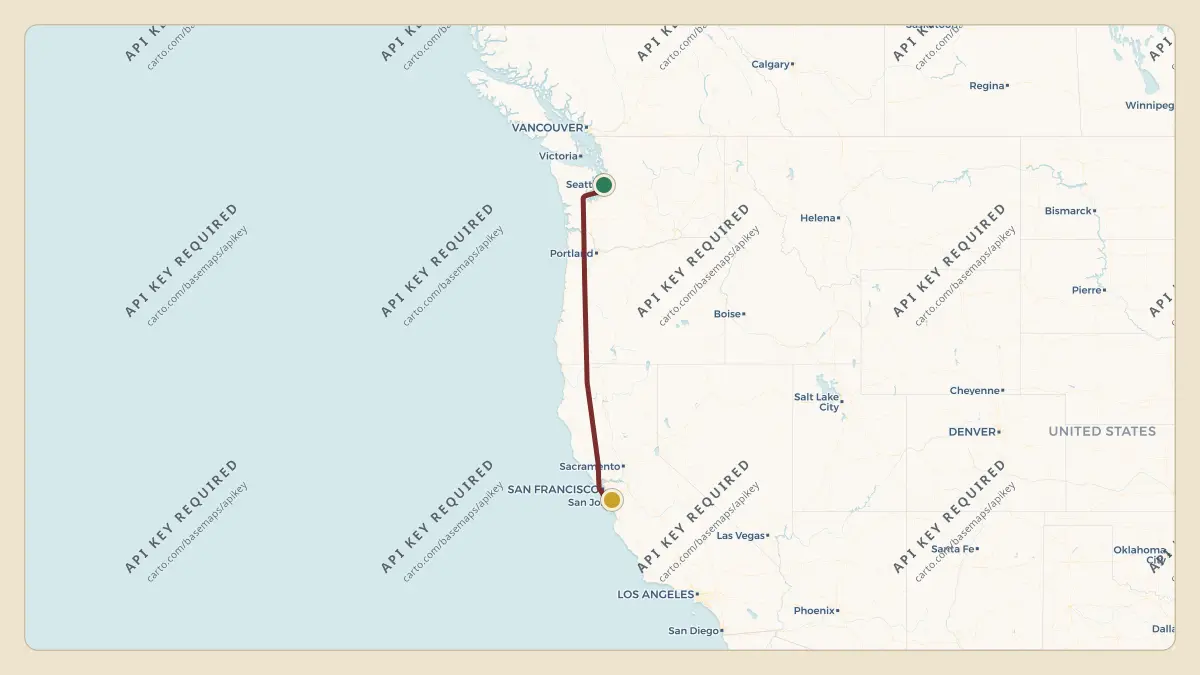
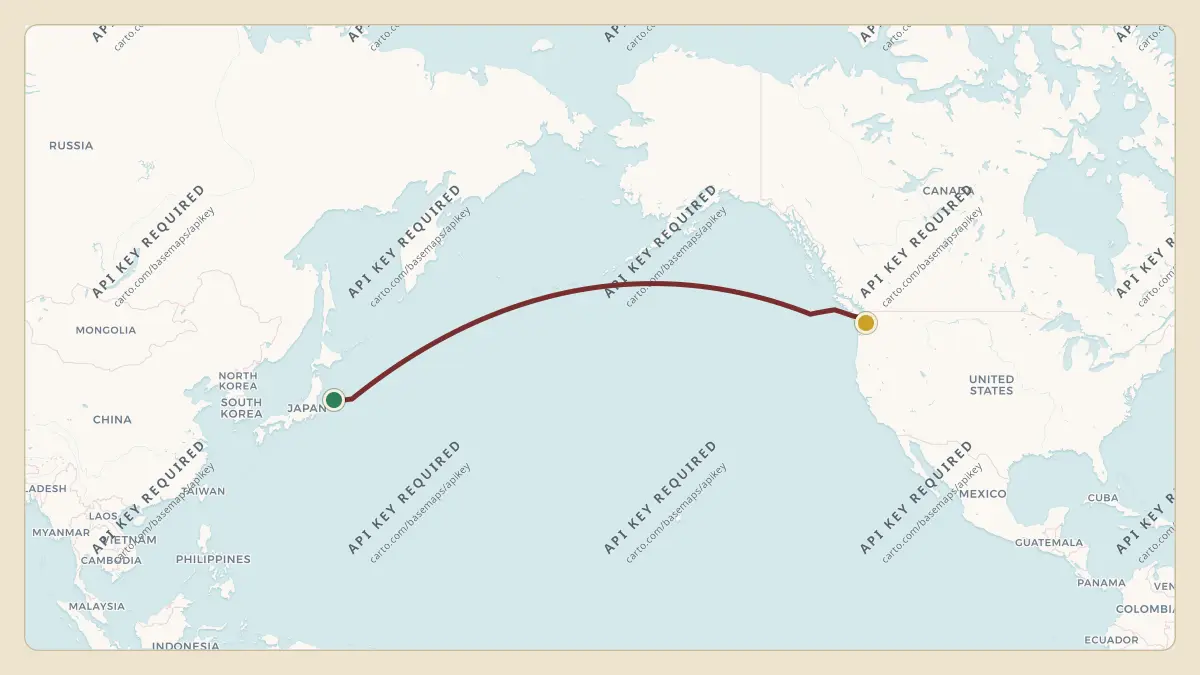
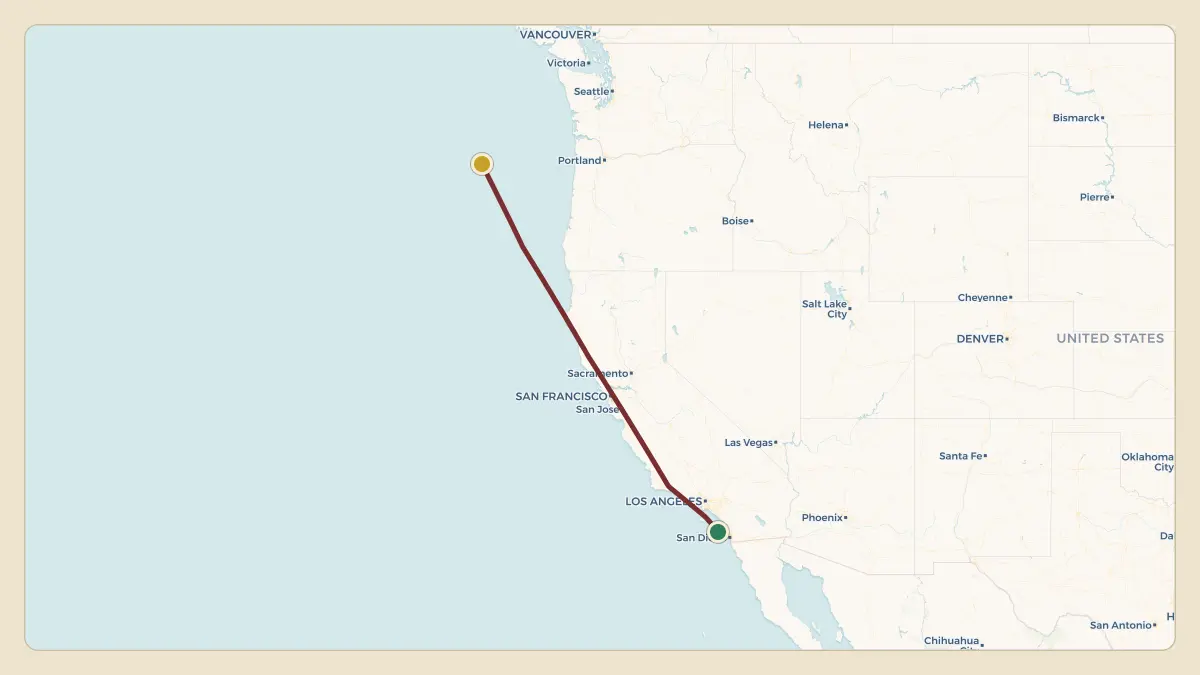
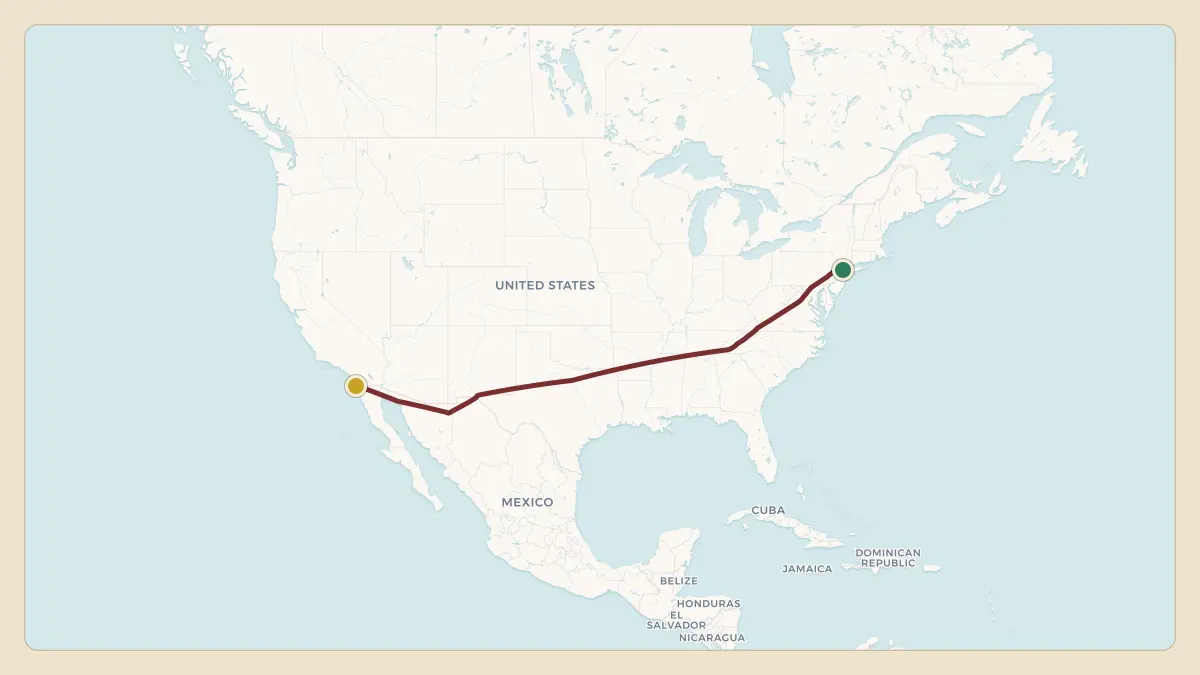
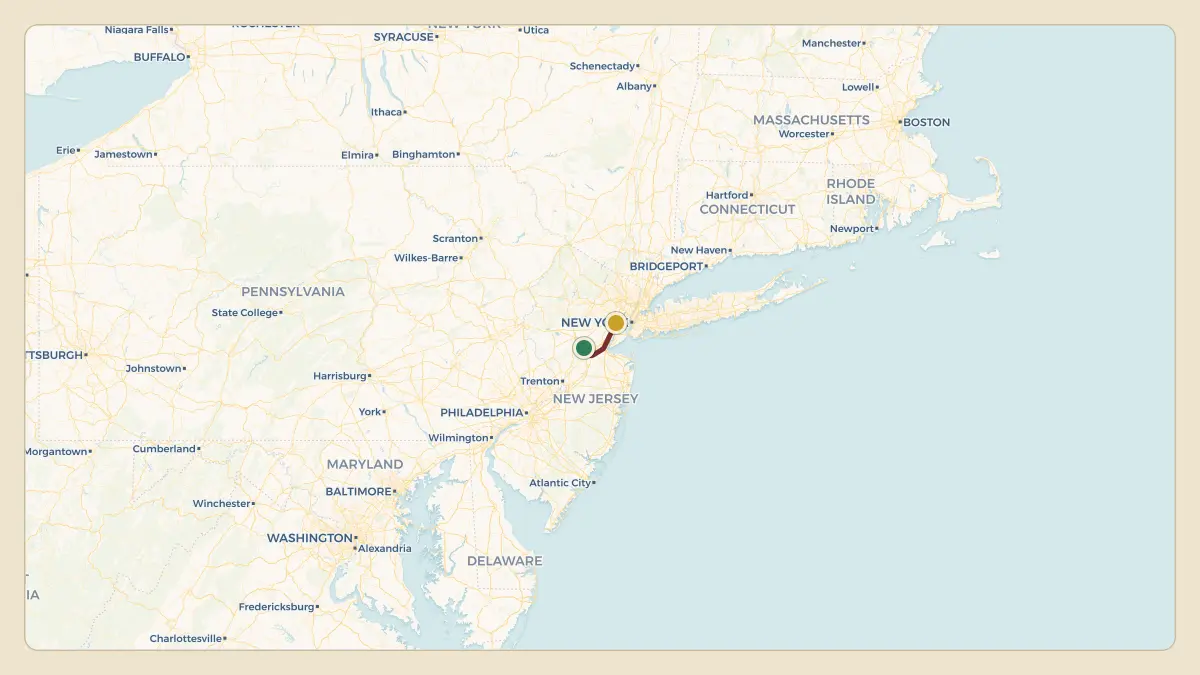
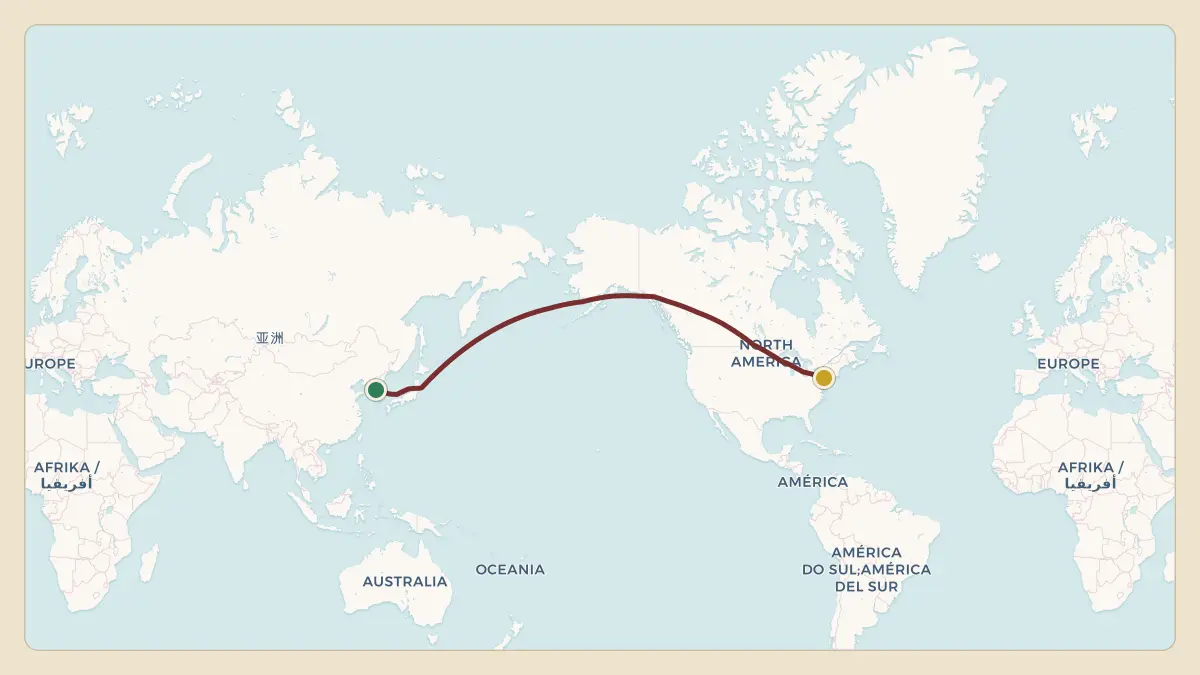
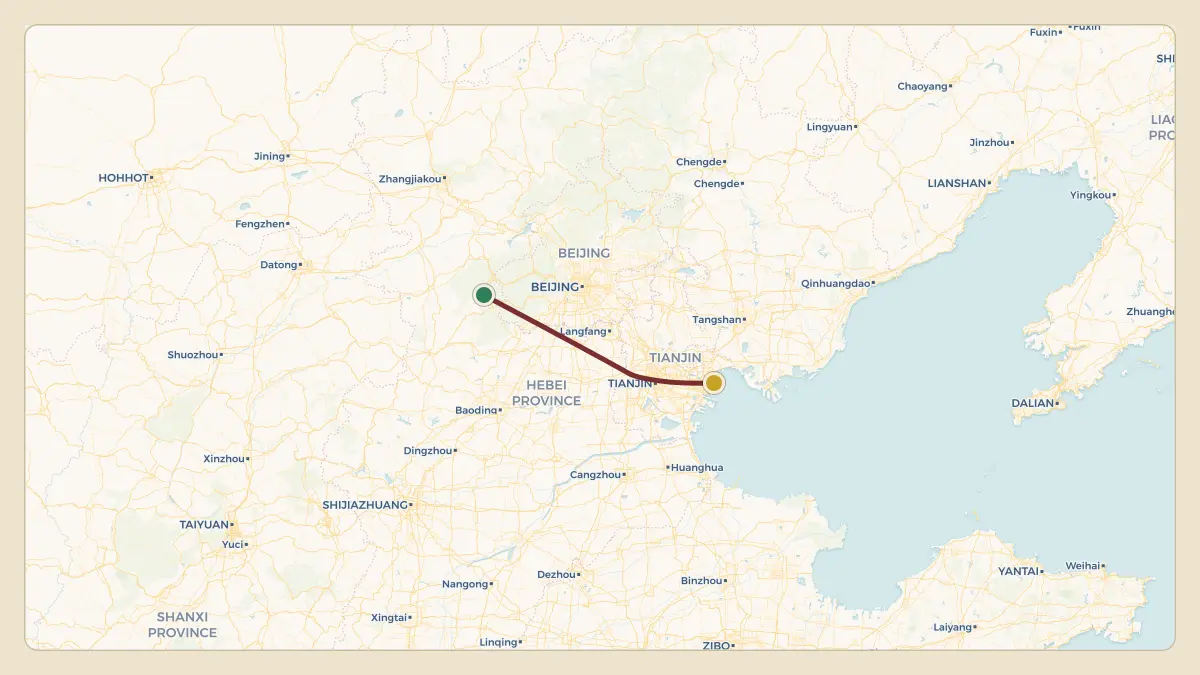
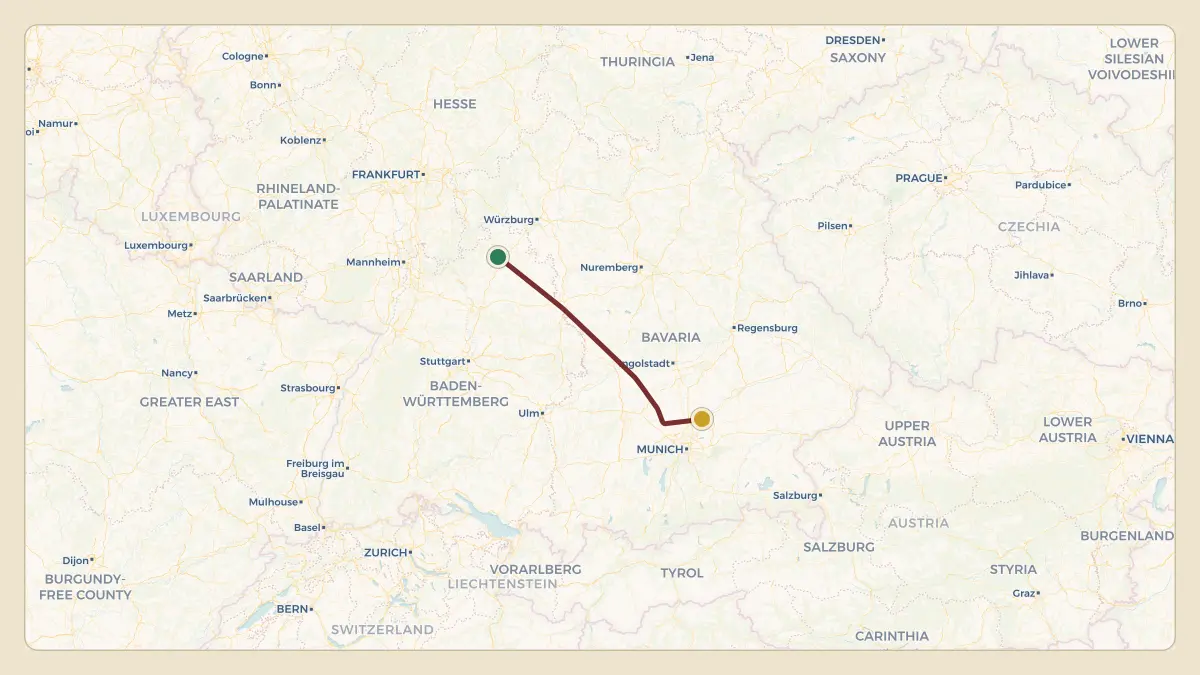
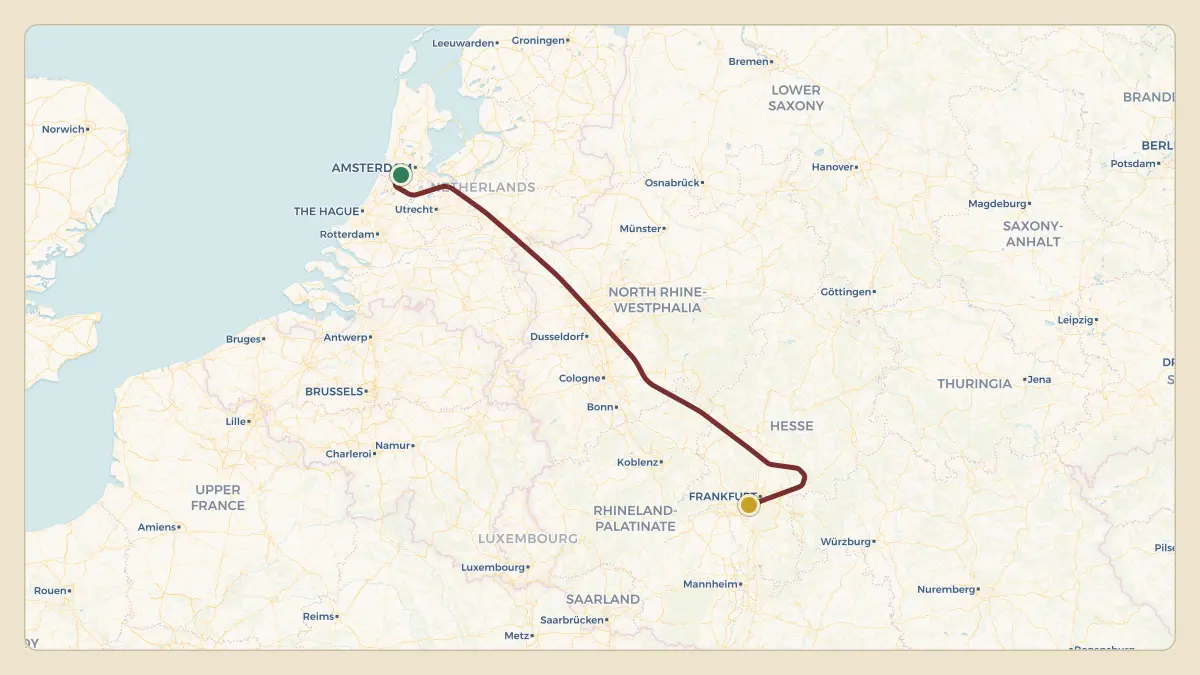
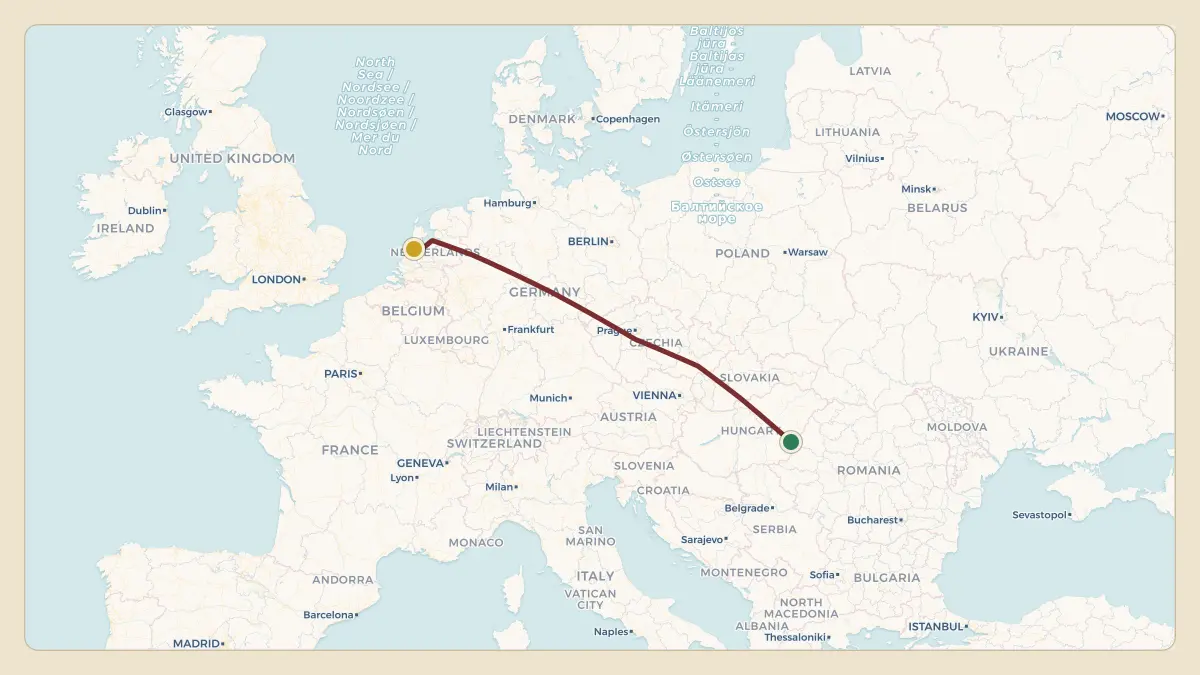
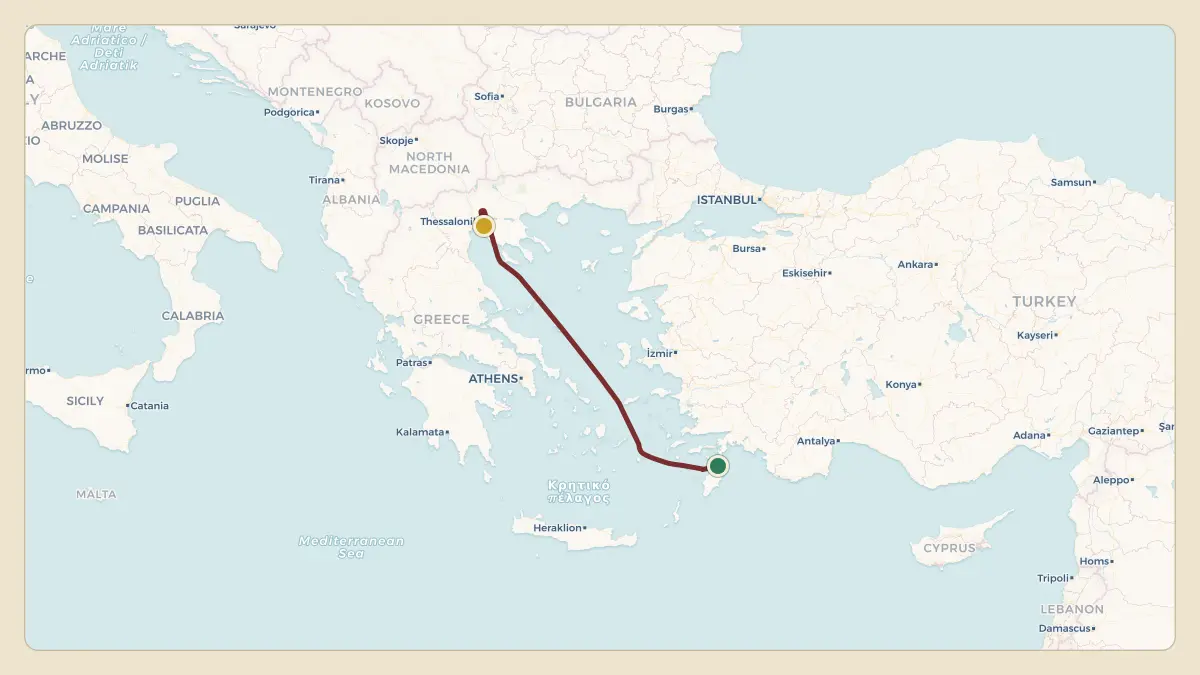
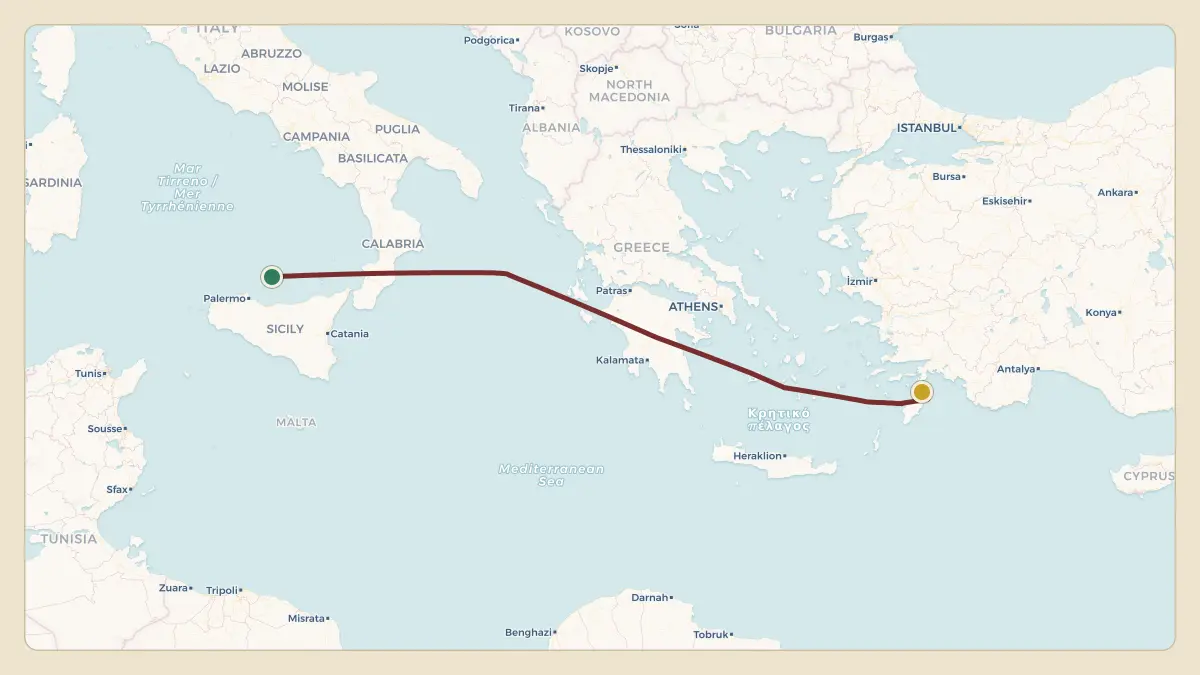
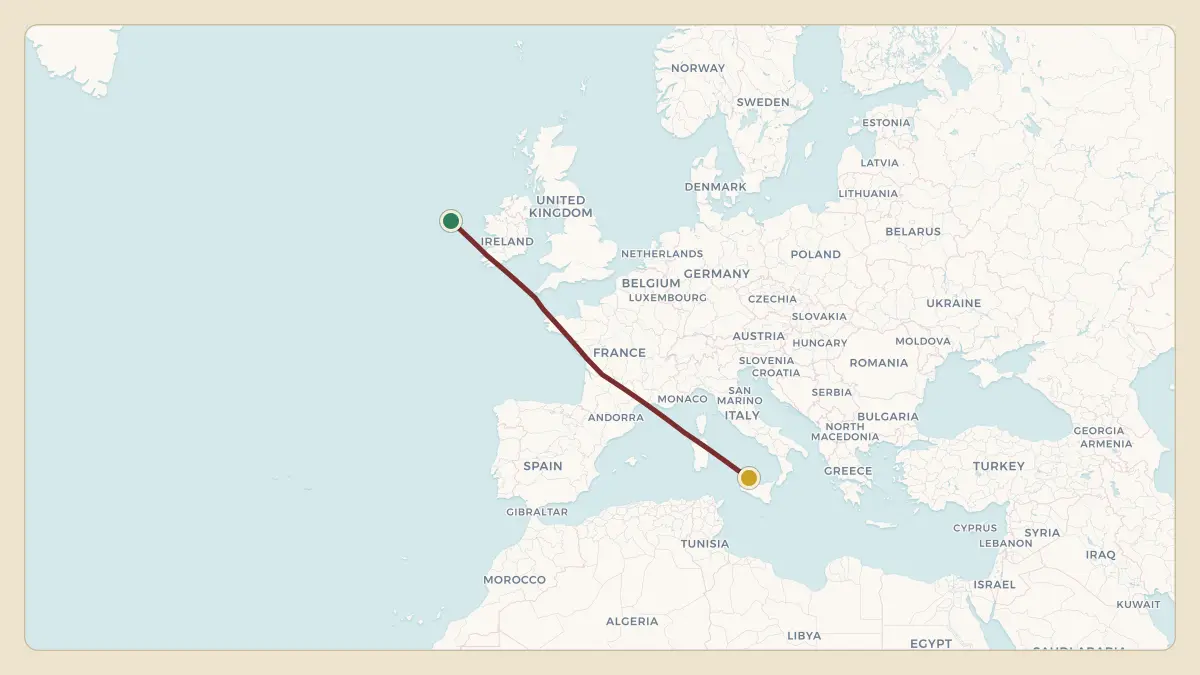
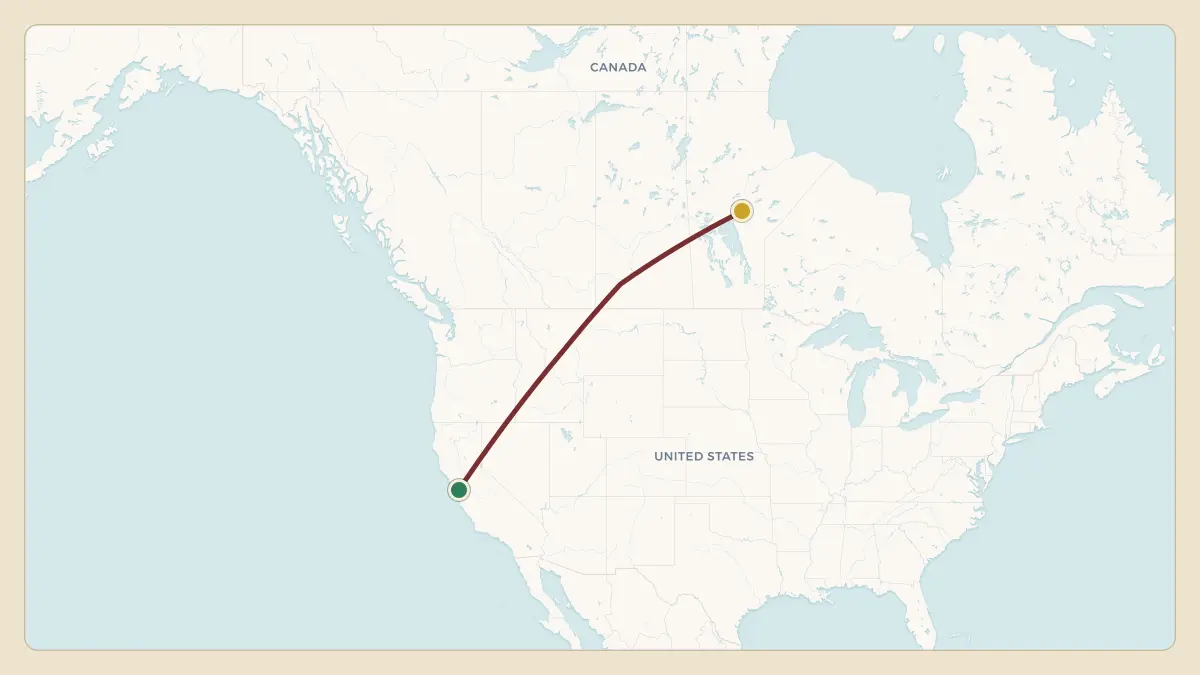
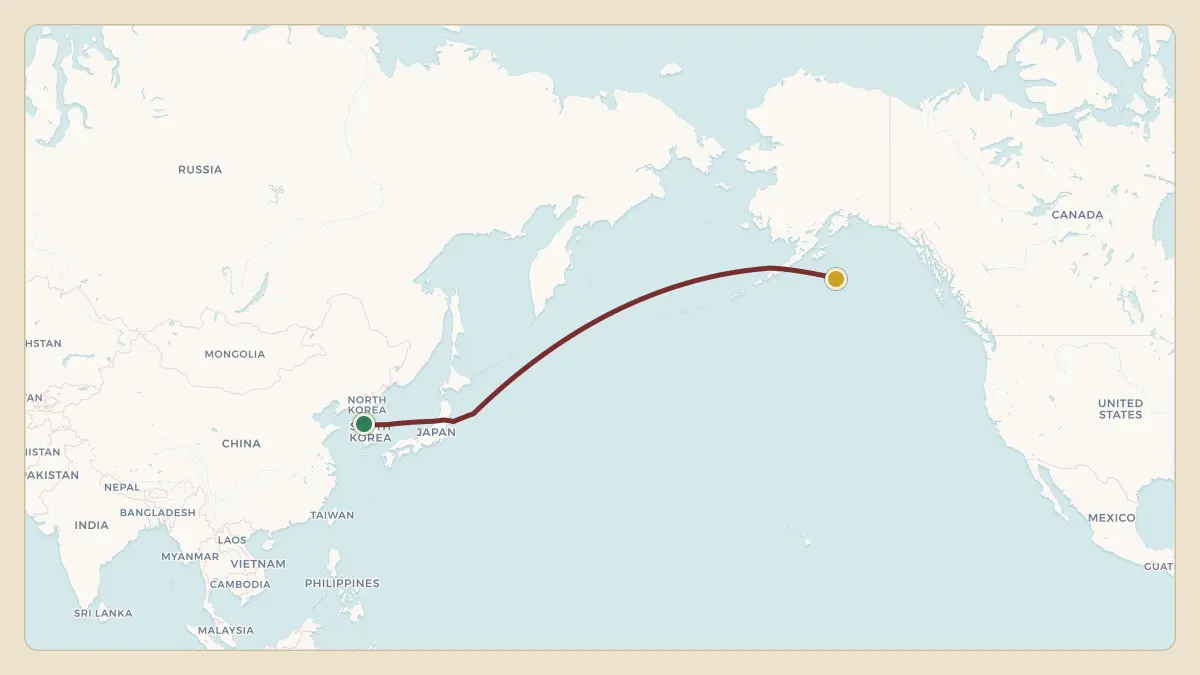
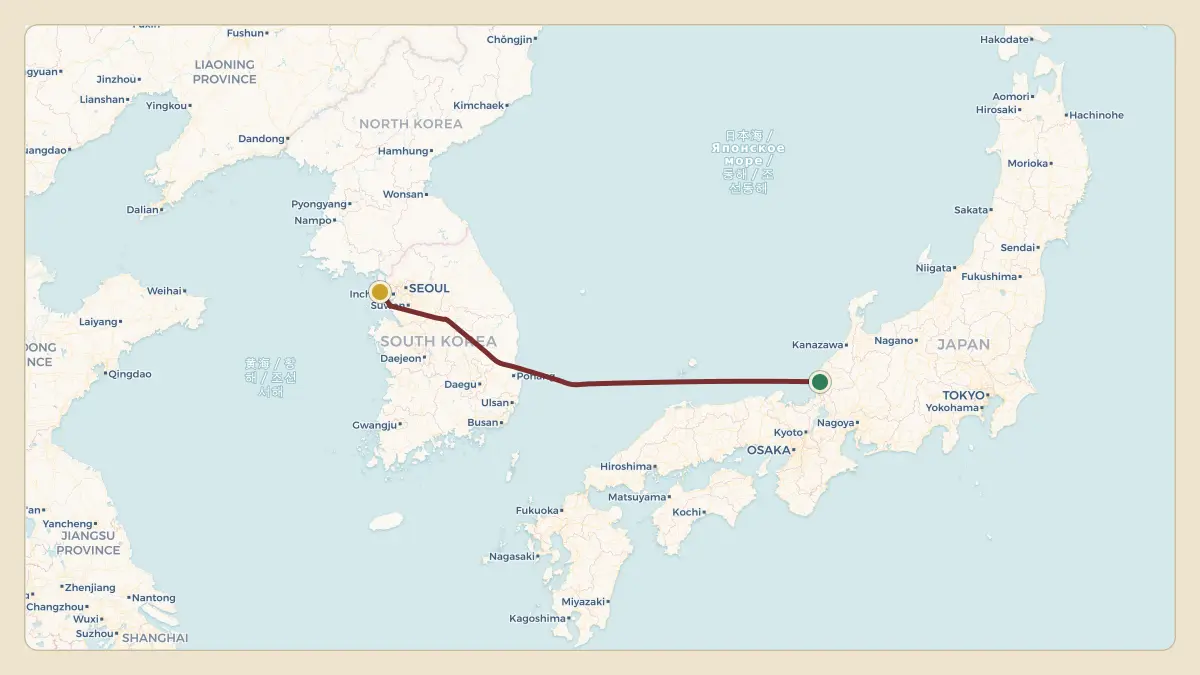
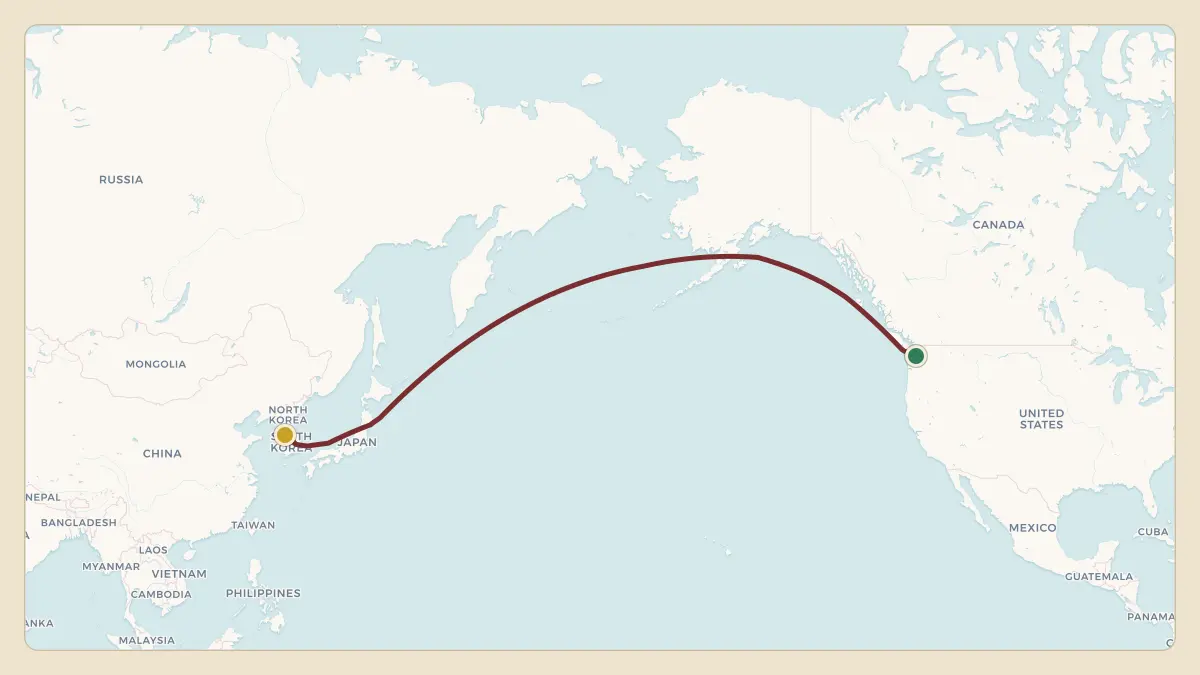
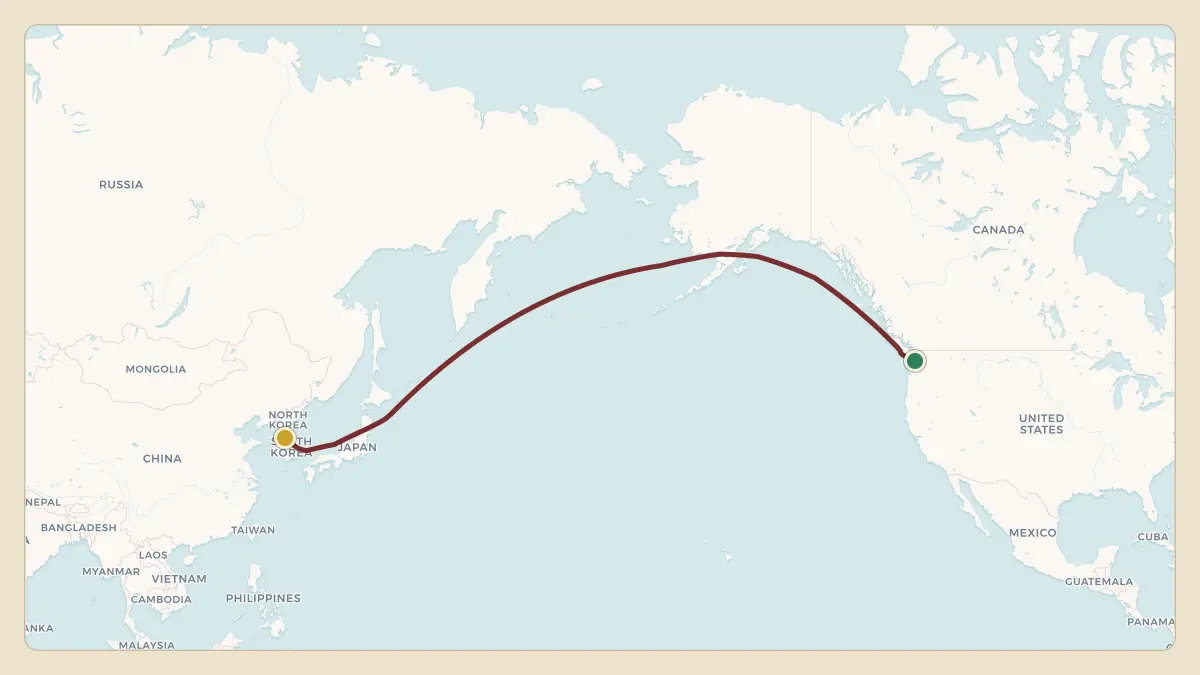
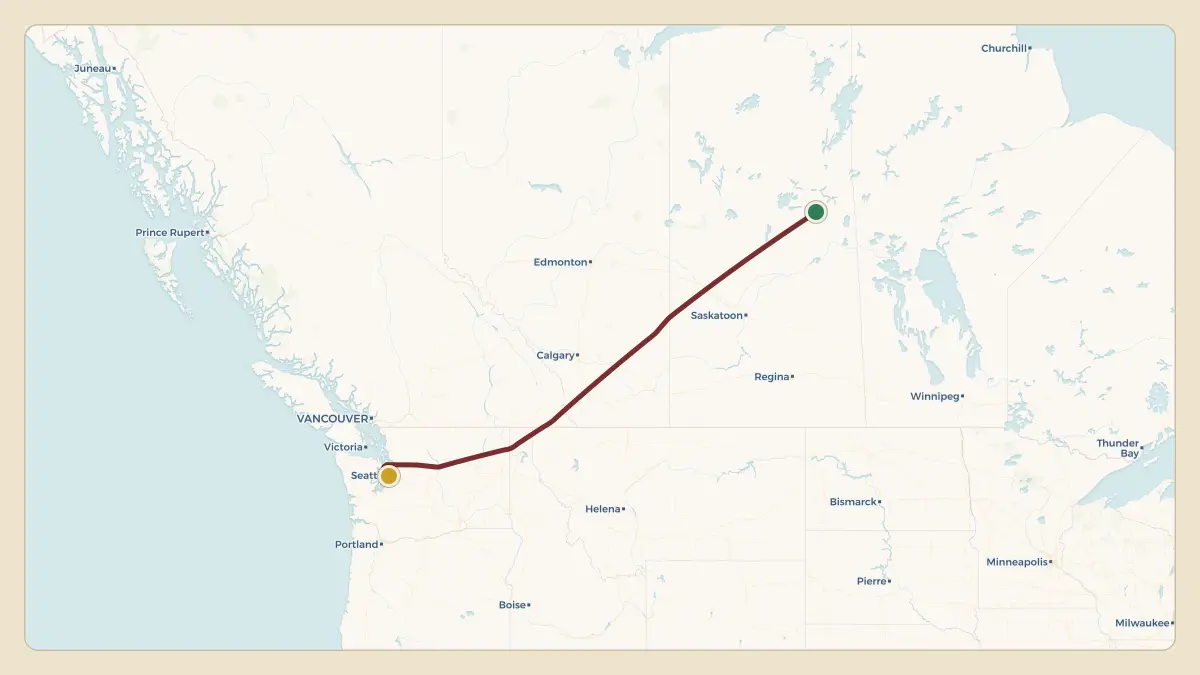
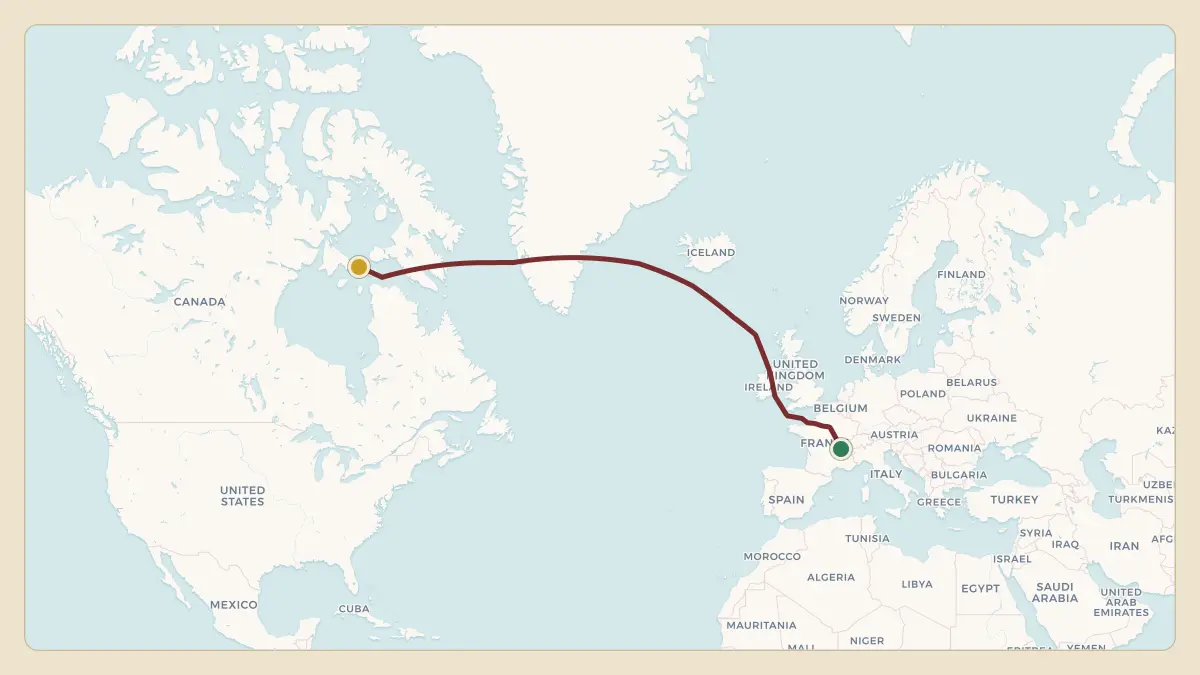
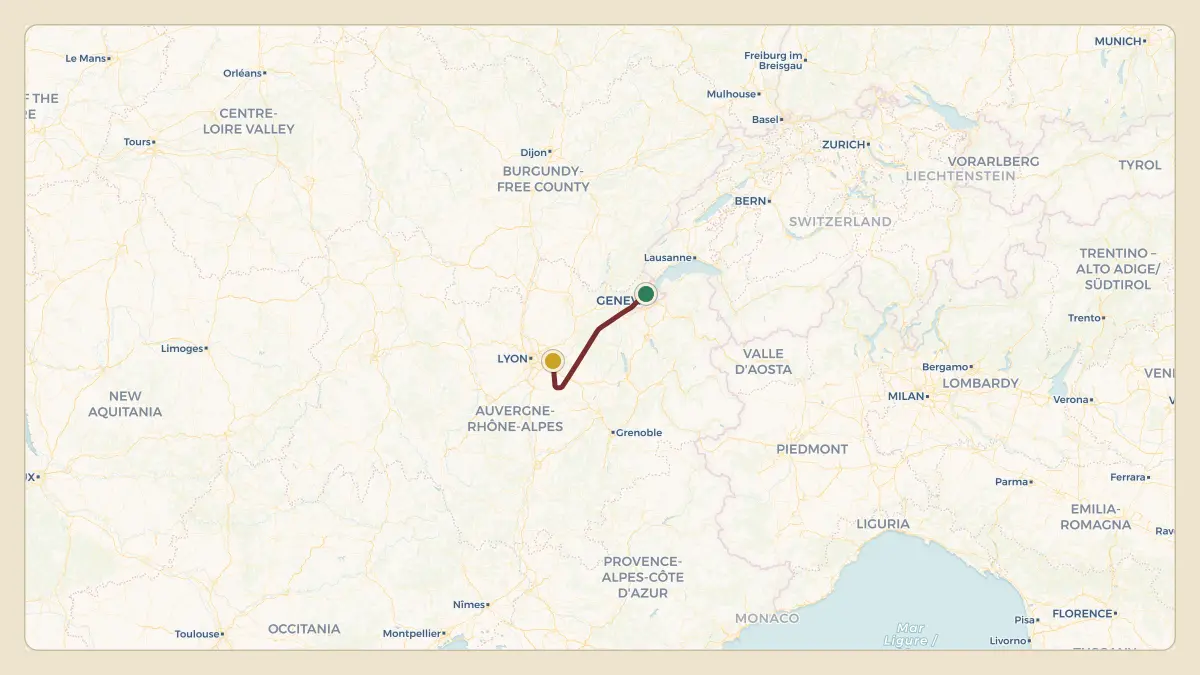
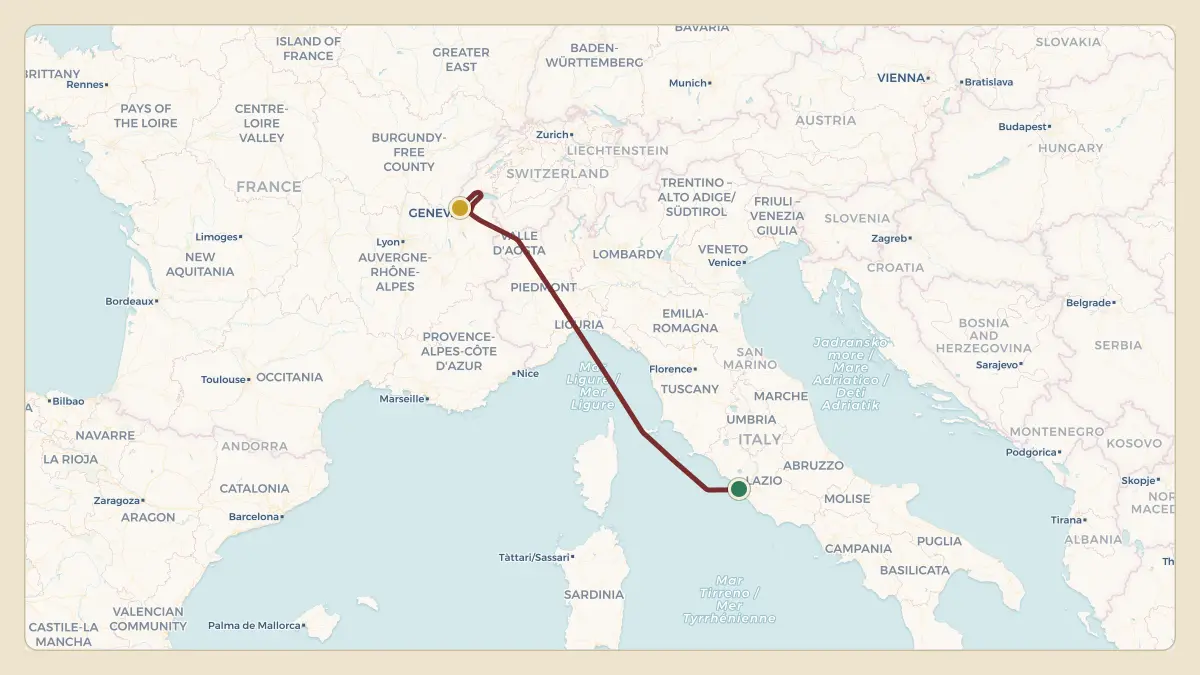
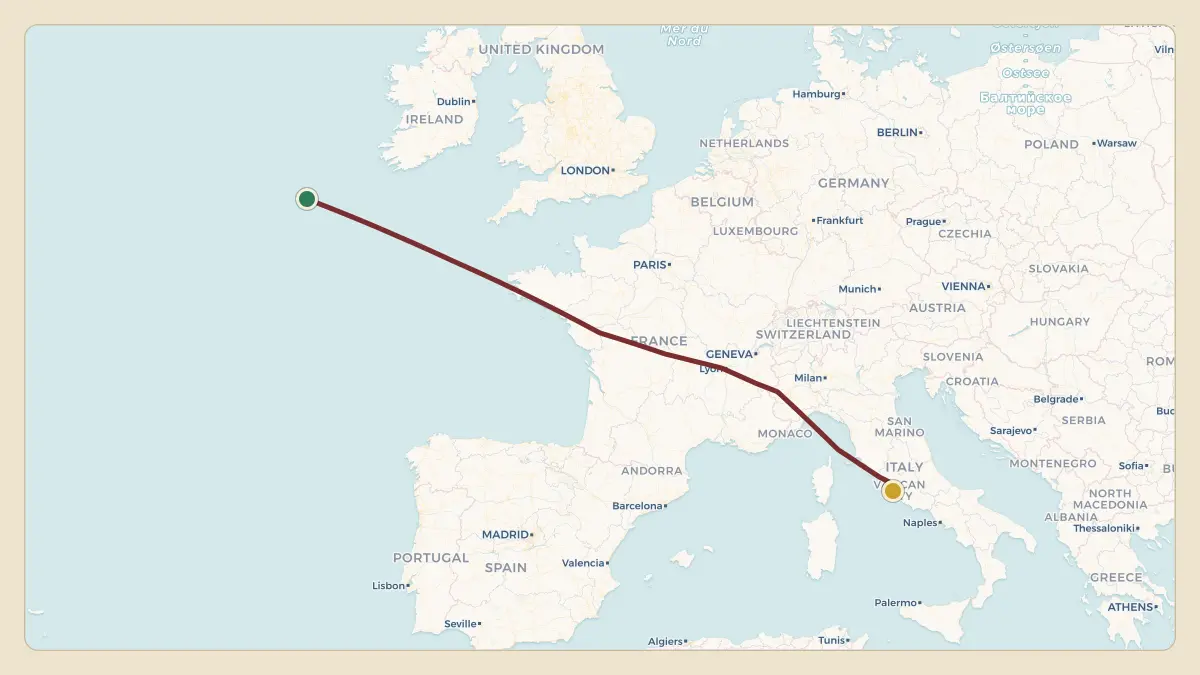
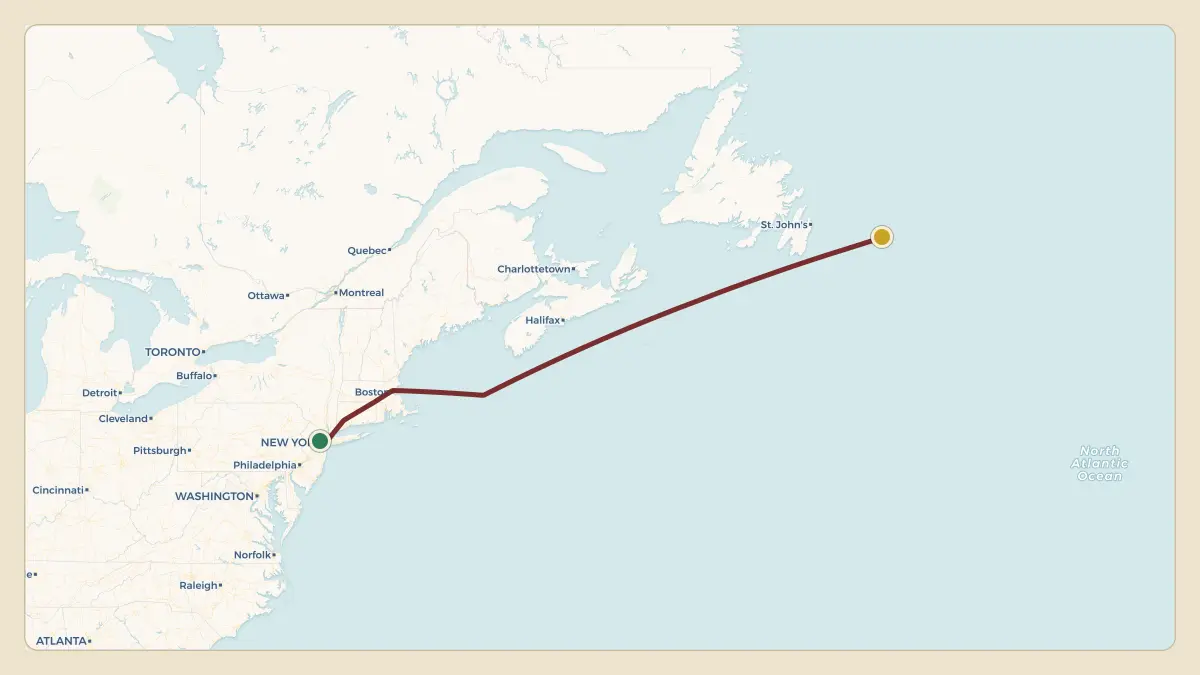
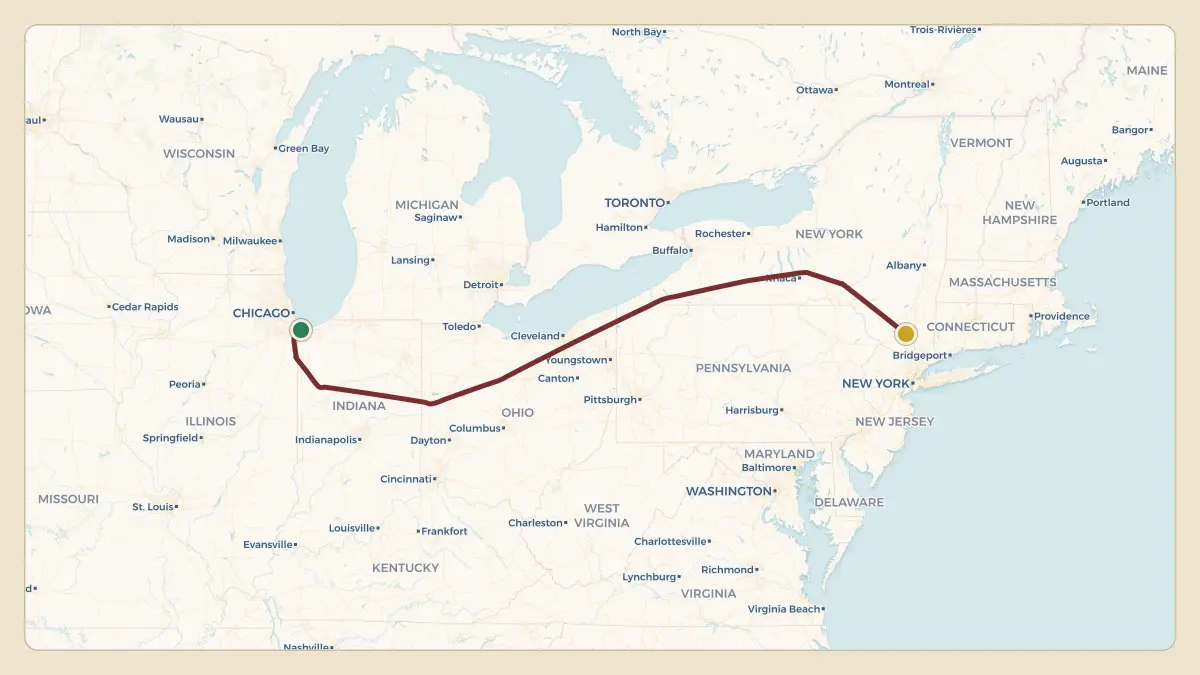
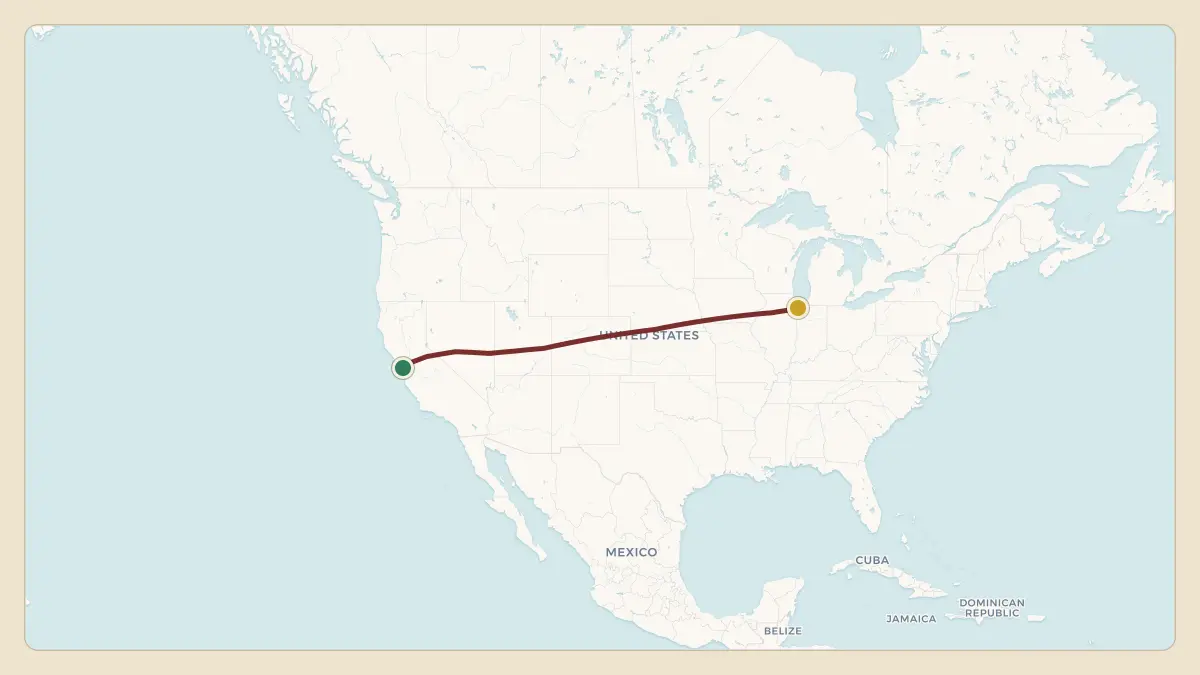
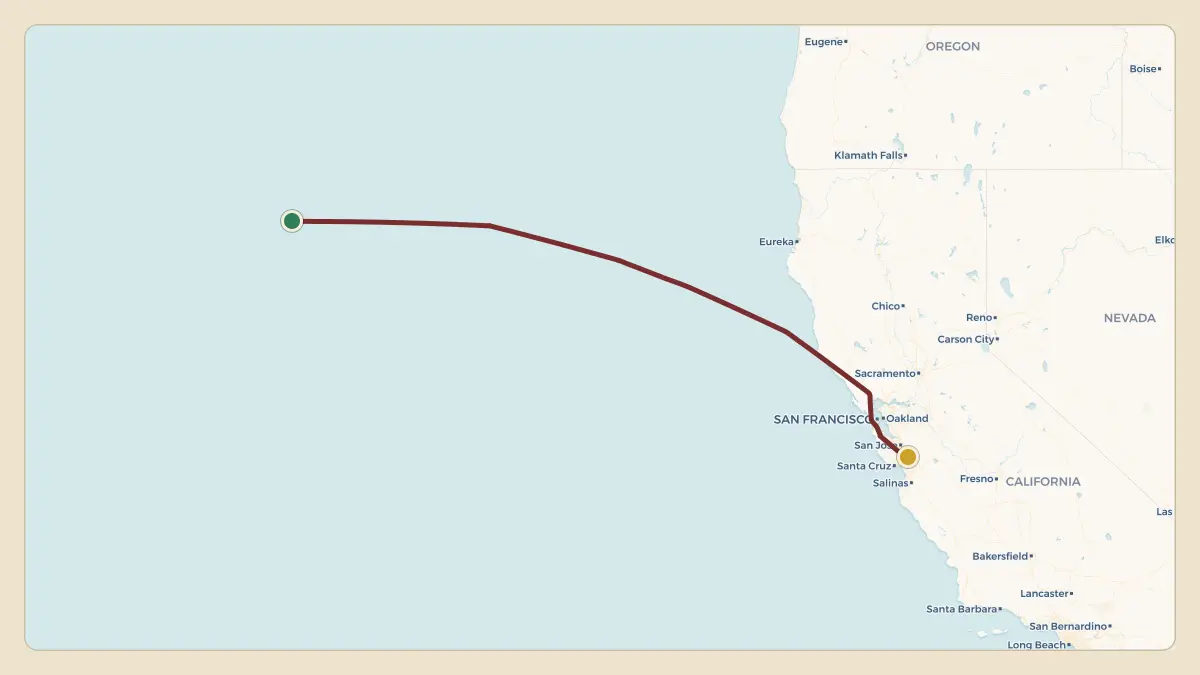
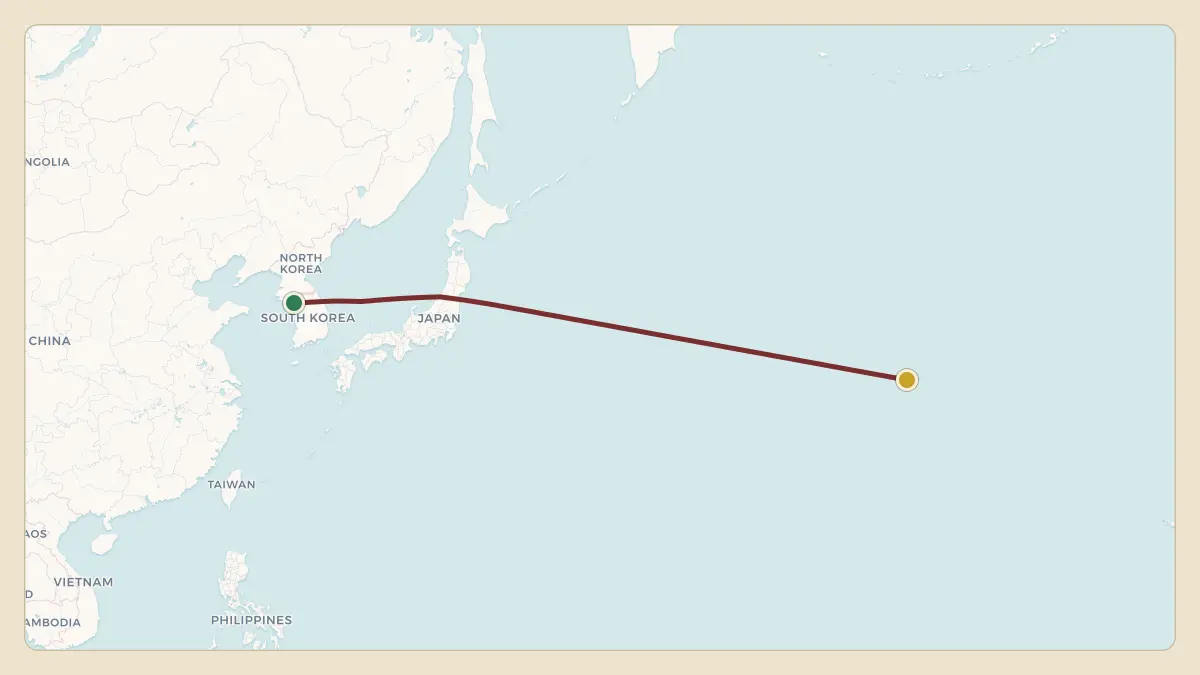
This report covers one recent flight in more detail.
September 20, 2026
If Lee Jae-yong was aboard, the timing lines up with AI foundry talks and a possible Google Camp scouting run.
Owner matches come from the FAA registry, adsb.lol (ODbL) and ADSB.fi data, and SEC filings. They may be incomplete or out of date. Methodology · Report an error. For observational use only.
We do not see it in the air right now. The last flight we tracked for Samsung's Boeing 787-8 BBJ (HL8508) landed at Gimpo International Airport (RKSS) on October 7, 2026. Follow it on the live jet tracker map.
The map shows where Samsung's plane has flown. Each dot is a recorded position.
Yes. We track 1 plane linked to Samsung: a Boeing 787-8 BBJ (HL8508). The flight log on this page comes from public ADS-B signals. It shows where the plane went, not who was on board.
Samsung flies a Boeing 787-8 BBJ. Its tail number is HL8508. You can track it live on this page, along with its flight history and CO₂.
Samsung owns 1 tracked plane: HL8508 (Boeing 787-8 BBJ). That count only covers planes we can tie to Samsung through public registration and ADS-B records. A plane held through an undisclosed company, or one that is chartered, would not show up here.
Samsung flies a Boeing 787-8 BBJ, tail number HL8508. It is an airliner.
Samsung's private jet tail number is HL8508. The plane is a Boeing 787-8 BBJ. Each tail number links to a live tracking page. There you can see the plane's flight history, fuel burn and CO₂.
About 7,685 kg for every hour in the air. Samsung's Boeing 787-8 BBJ (HL8508) burns roughly 800 gallons of jet fuel an hour. That is about the same CO₂ as driving an average car 19,023 miles.
Samsung's home airport is Incheon International Airport (RKSI / ICN). Frequent stops include RJTT, ZBAA, KLAX and KJFK.
About 1382.3 metric tons of CO₂ over 42 tracked flights and 180 hours in the air. We start with the flight times from public ADS-B data. We multiply each hour by the maker's fuel burn figure. Then we apply the EPA standard of 9.57 kg of CO₂ per gallon of jet fuel.
Yes. The FAA requires planes with transponders to broadcast their position over ADS-B, and the signal is not encrypted. We collect that public data from adsb.lol and ADSB.fi, two open flight-tracking networks. News outlets and university researchers use the same kind of data. Our methodology page explains how it works.