Hawker 900XP
N703A · ICAO: A95FB3 · Midsize jet
Fuel burn
250 gal/hr
CO₂ per hour
2,402 kg
Car miles equiv.
5,945

Saudi Arabian Oil Company (Saudi Aramco) is the world's largest oil company by revenue and reserves, headquartered in Dhahran, Saudi Arabia. Aramco operates one of the world's largest corporate aviation departments through its subsidiary Mukamalah (rebranded as Aloula Aviation), which manages over 40 aircraft including Boeing 737-700/800s, a Boeing 767-200ER, Embraer 170s, Gulfstream G550s, and Leonardo AW139 helicopters. The company operates its own exclusive general aviation terminal at King Fahd International Airport (OEDF) in Dammam. Saudi Aramco also independently manages nine airports and over 300 helipads throughout the Kingdom, including private airports at Abqaiq (OEBQ), Ras Tanura (OERT), Haradh (OEHR), Shaybah (OESB), and Khurais (OEKN). The aviation division serves employee transport to remote oil fields, offshore platforms in the Persian Gulf, and executive travel. Frequent destinations include Riyadh (OERK), Jeddah (OEJN), Yanbu (OEYN), and Abha (OEAB).
Note · We track Saudi Aramco's planes, not Saudi Aramco in person. Flight data shows when and where each plane flew. It does not show who was on board.
Over the last 50 completed flights we tracked, Saudi Aramco's private jets spent about 56 hours in the air. We estimate those flights put out 431.1 metric tons of CO₂.
Total flights
50
Total CO₂
431.1t
Flight hours
56h
We track 2 private jets for Saudi Aramco. Each one is listed below with its tail number and hourly CO₂.
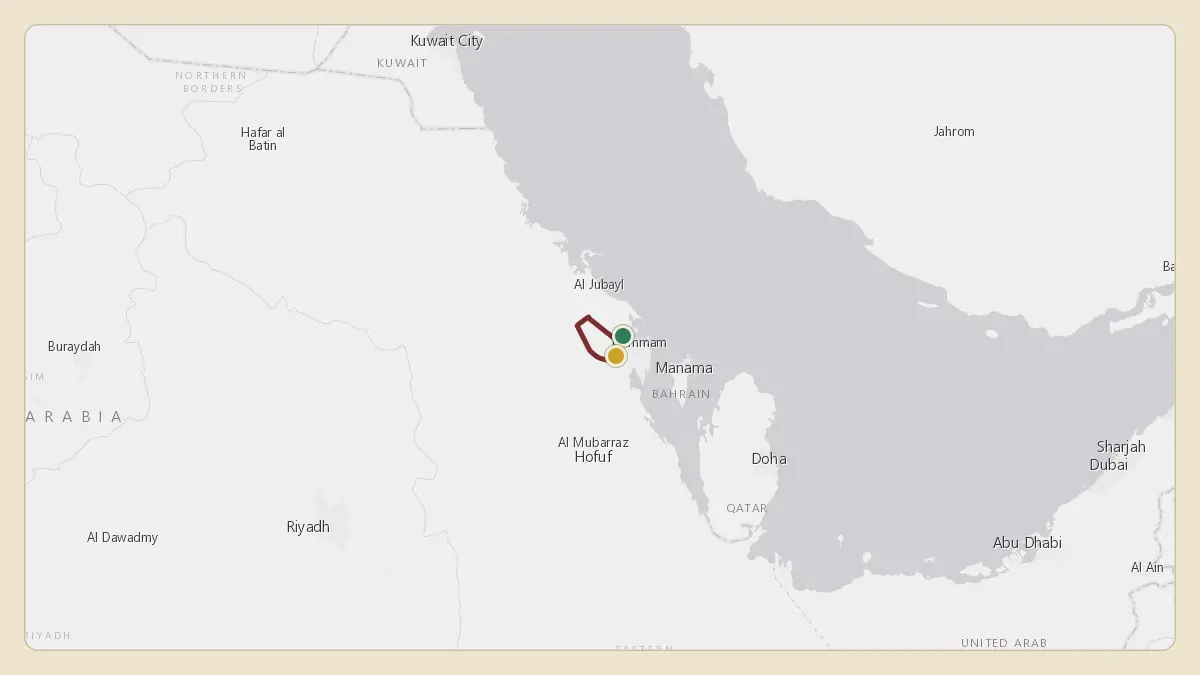
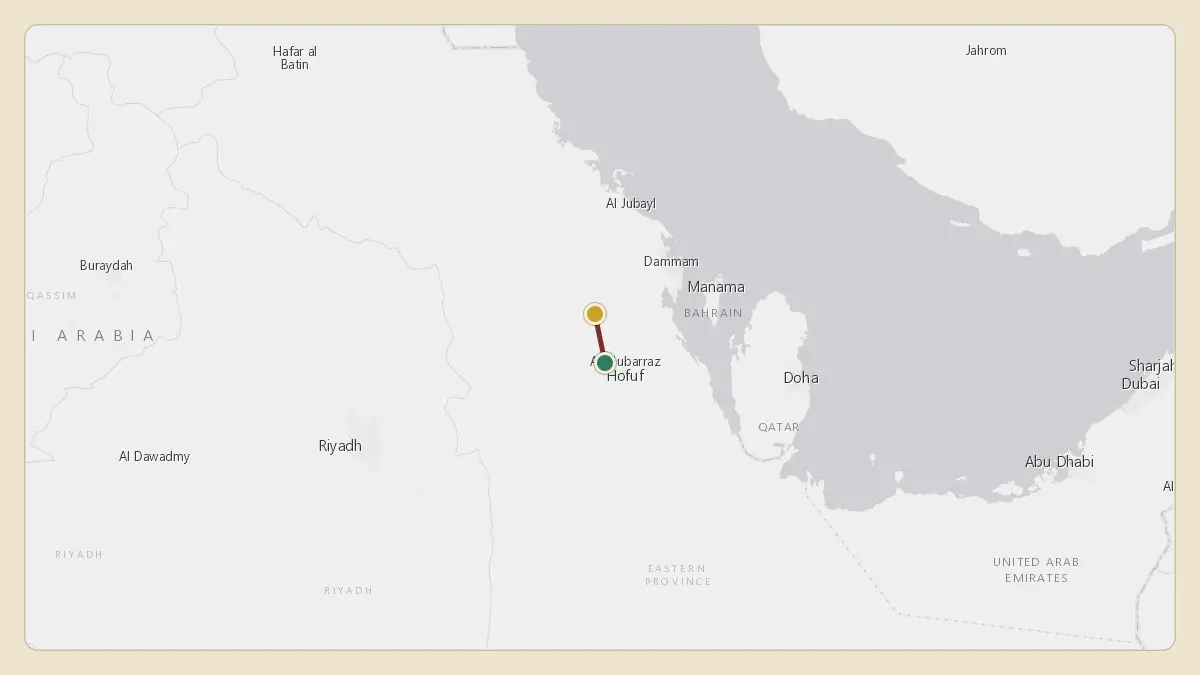
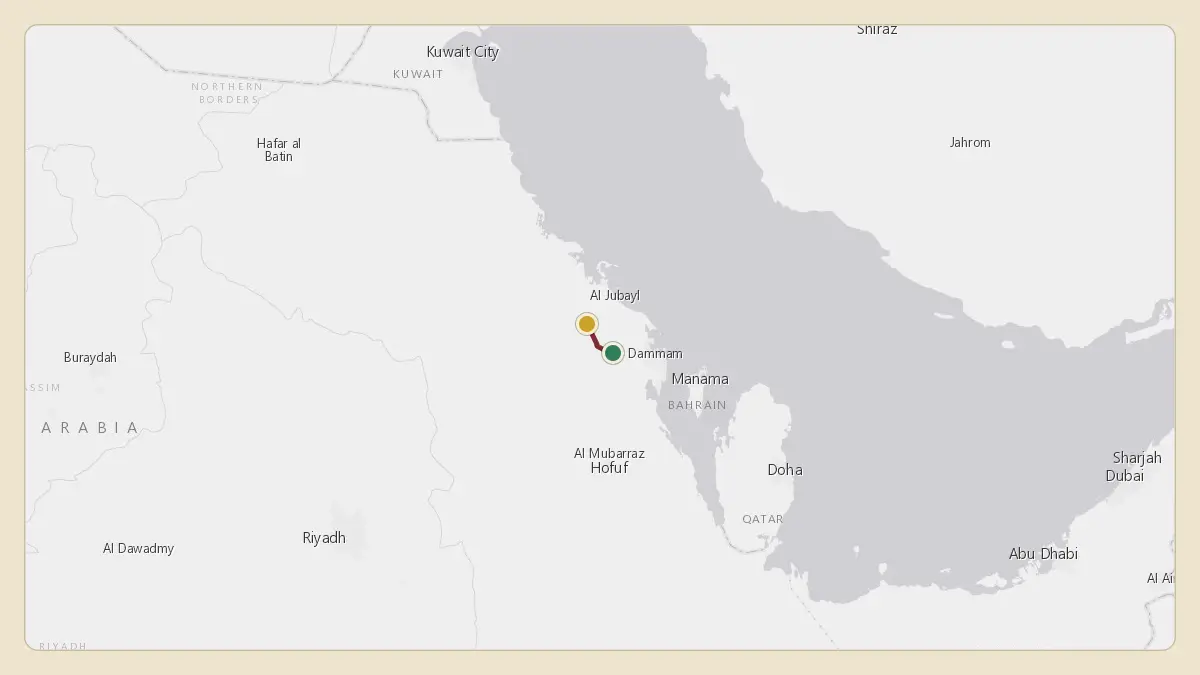
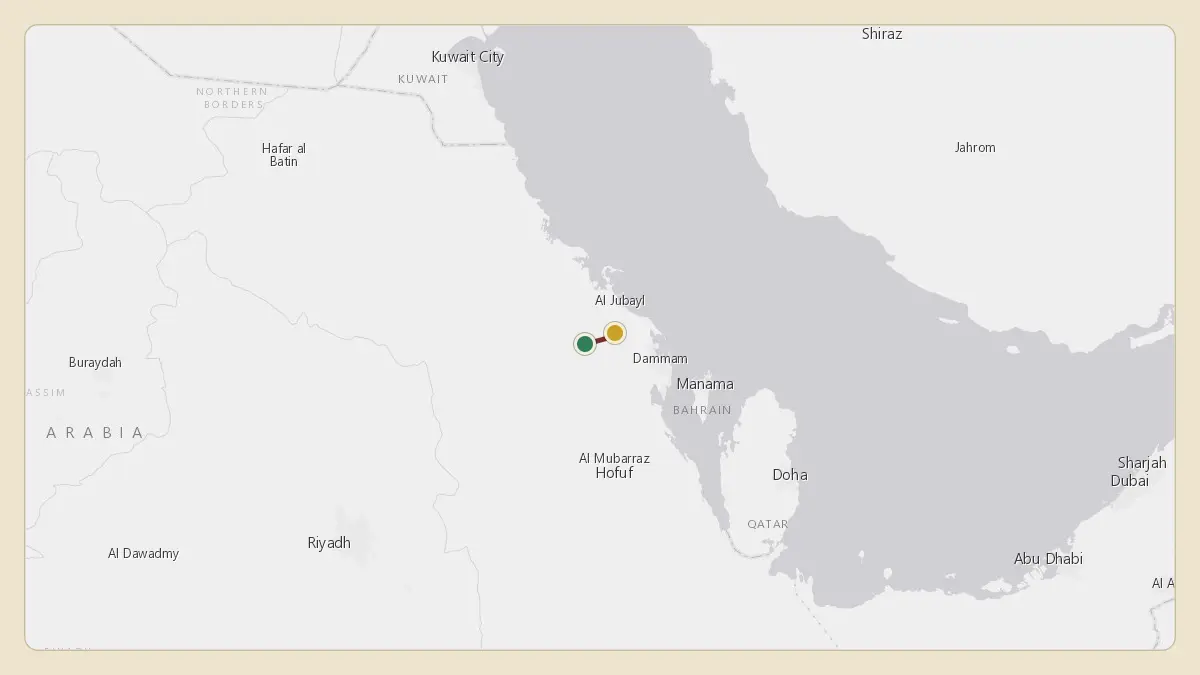
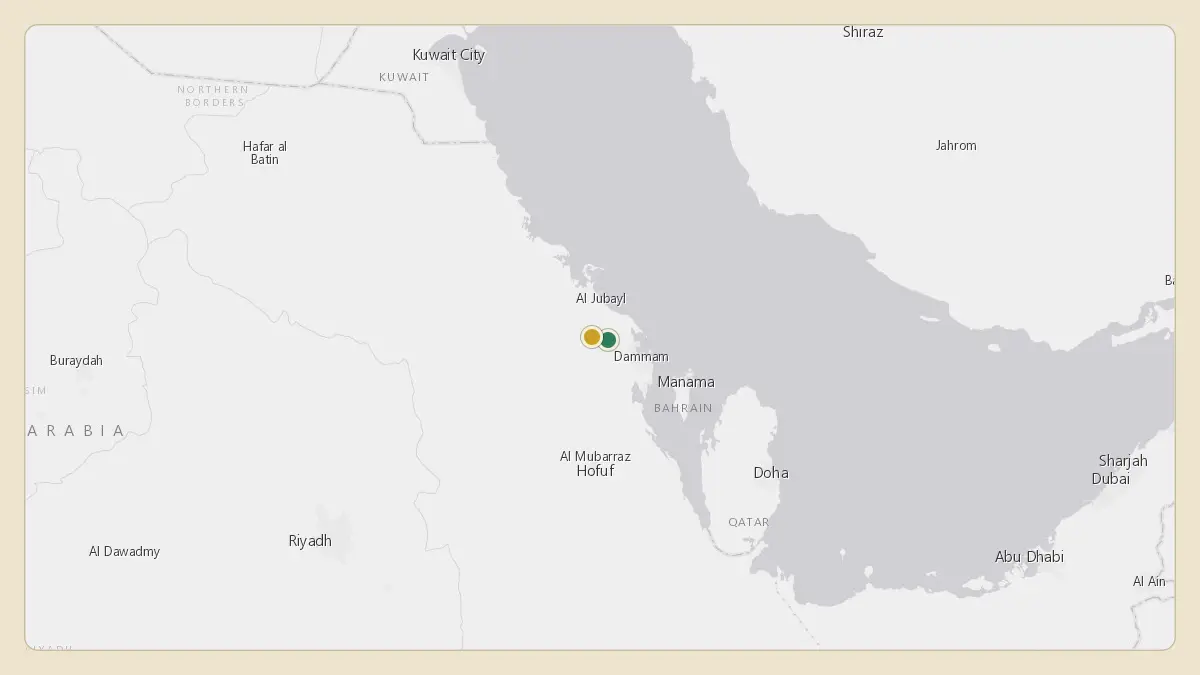
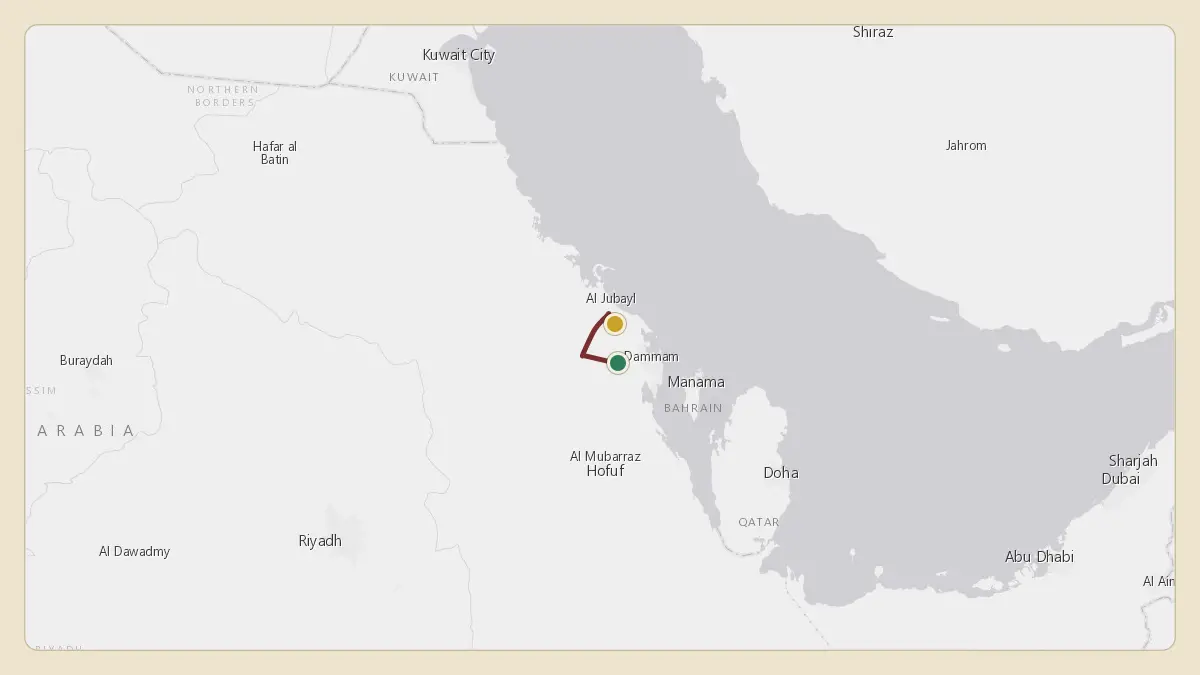
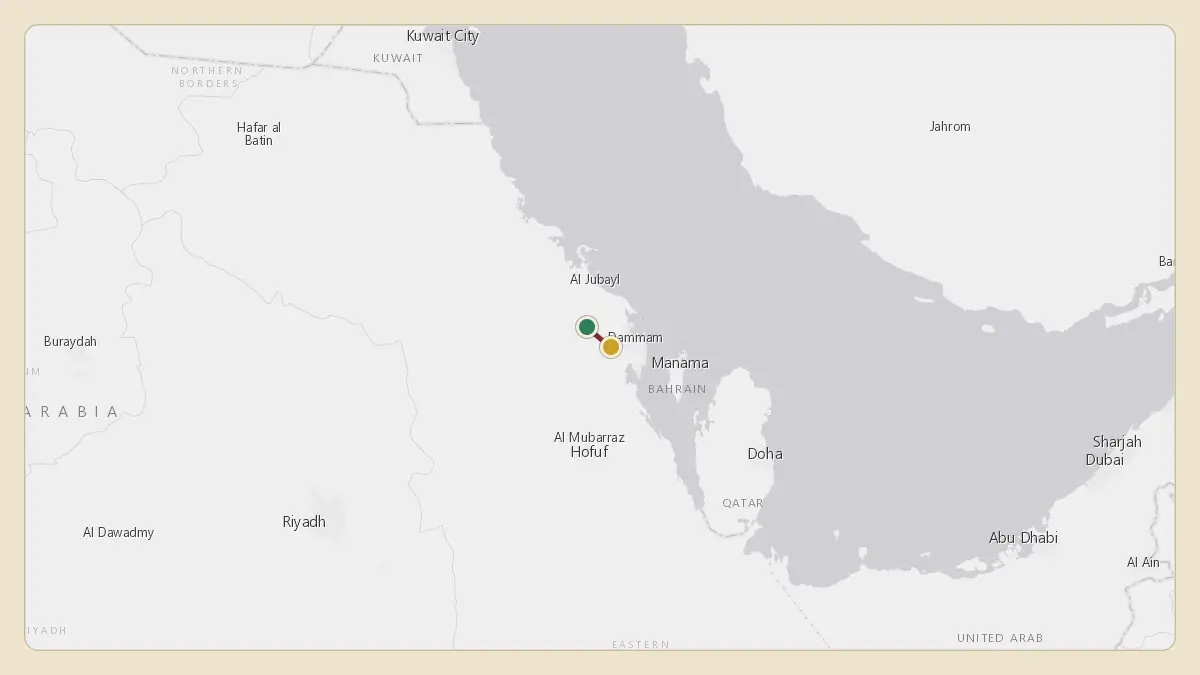
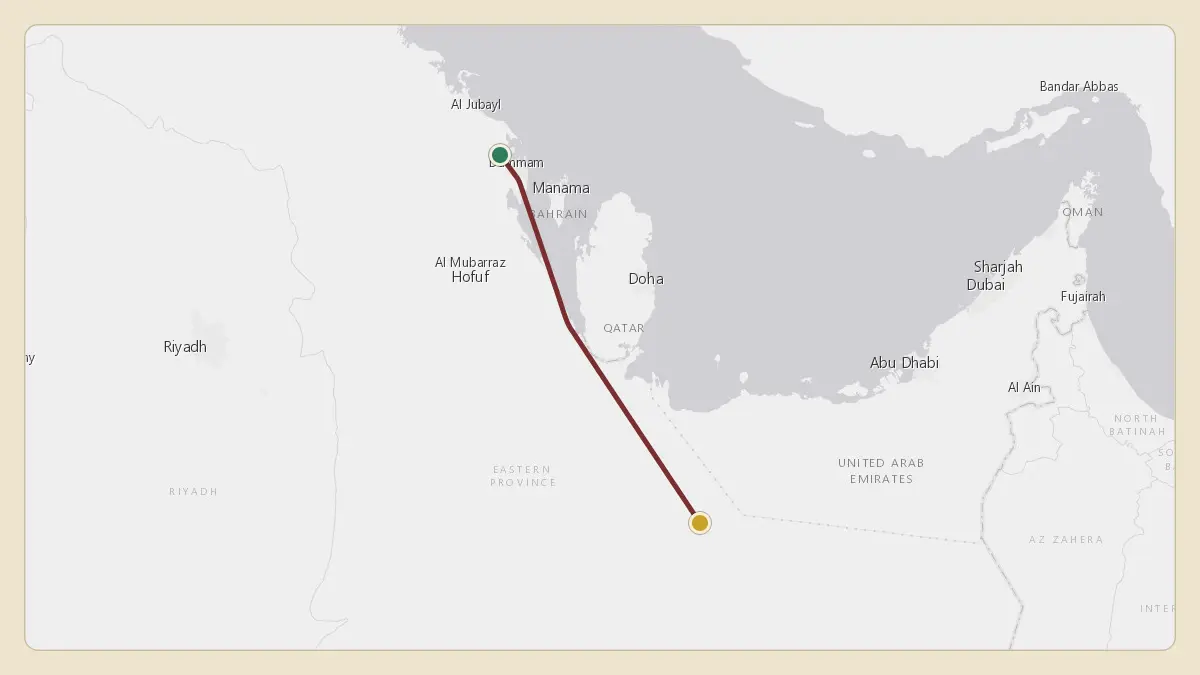
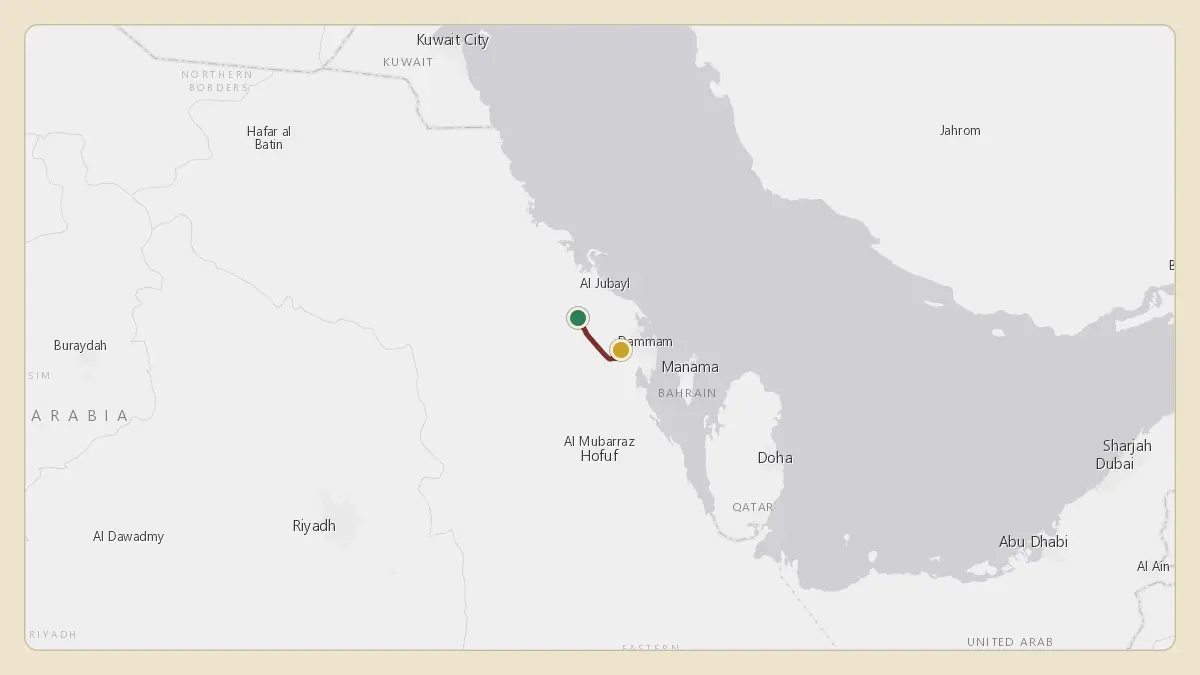
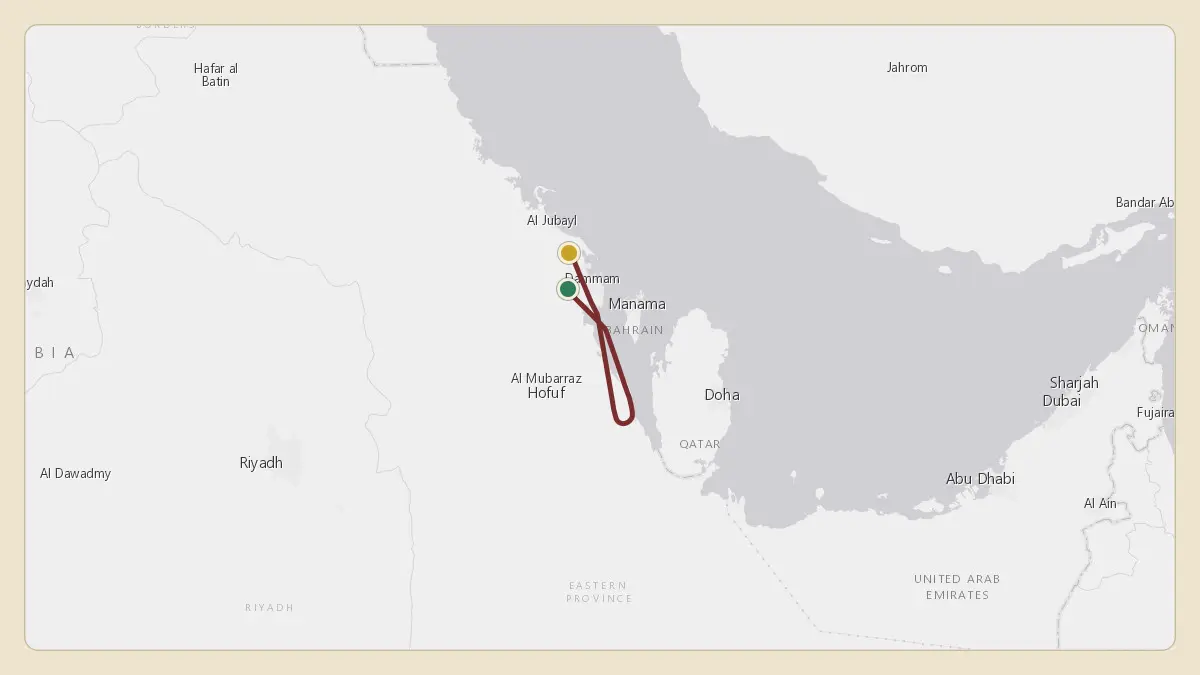
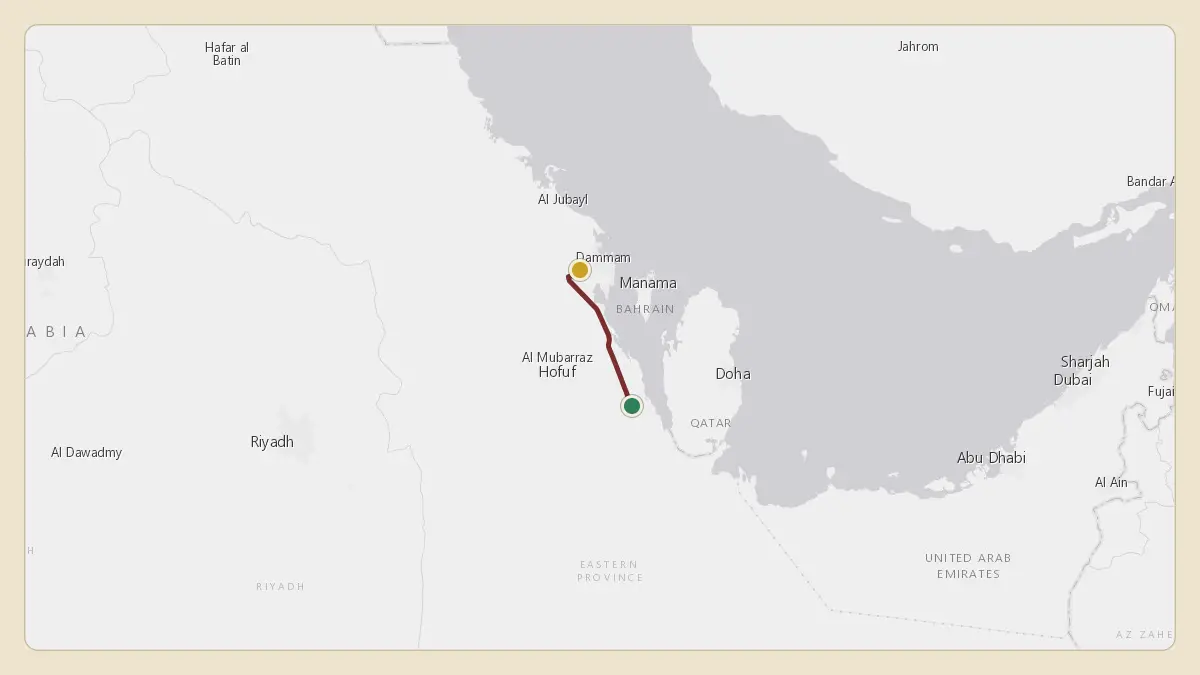
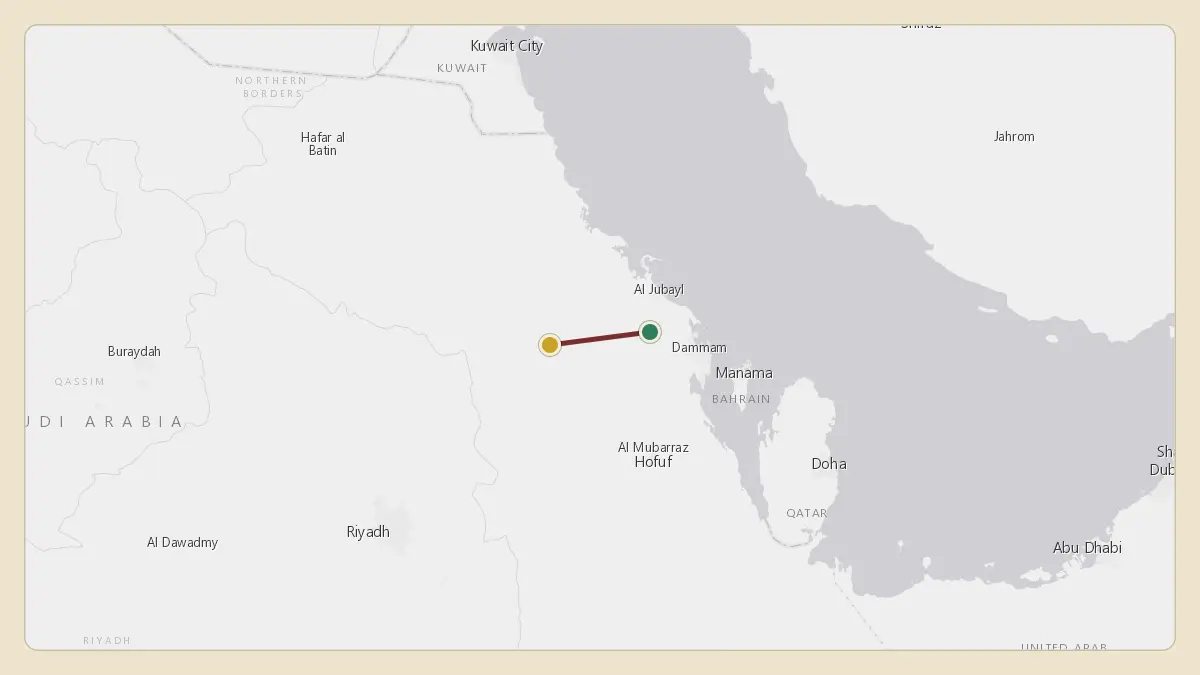
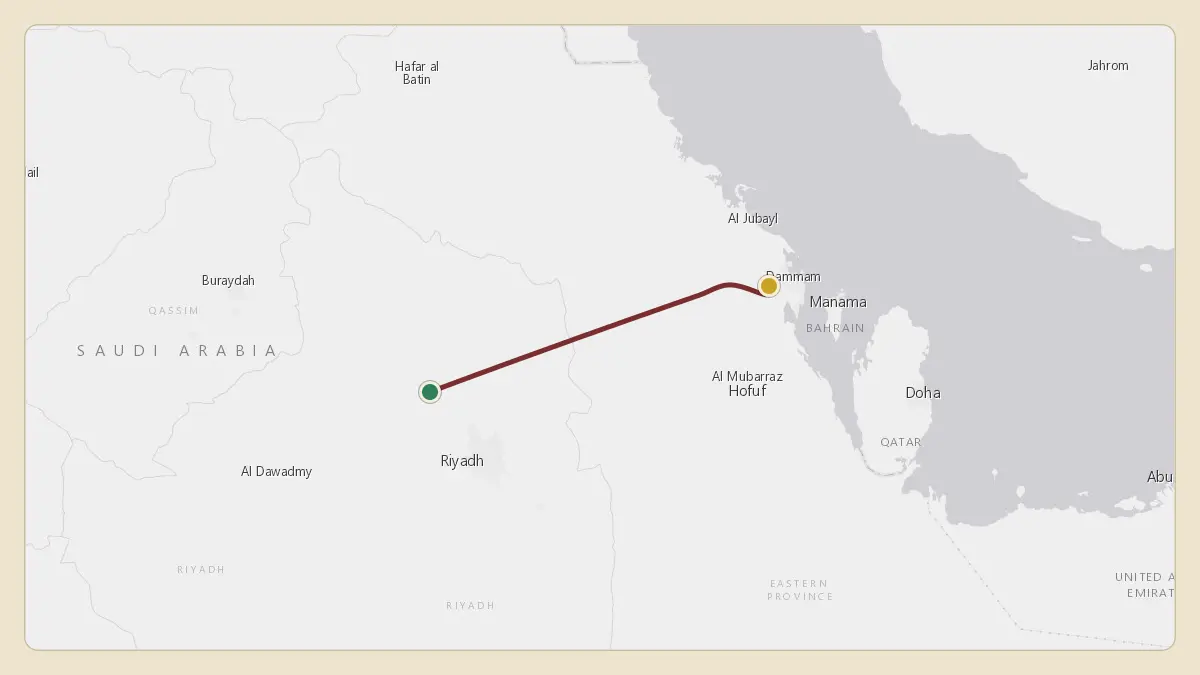
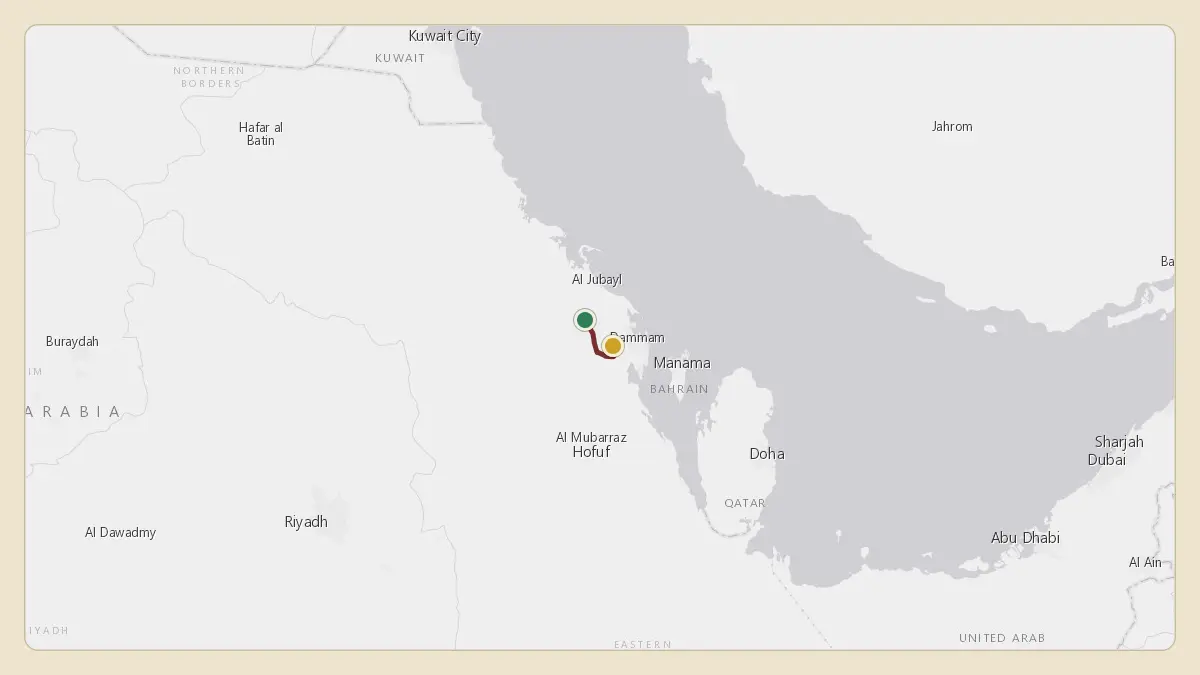
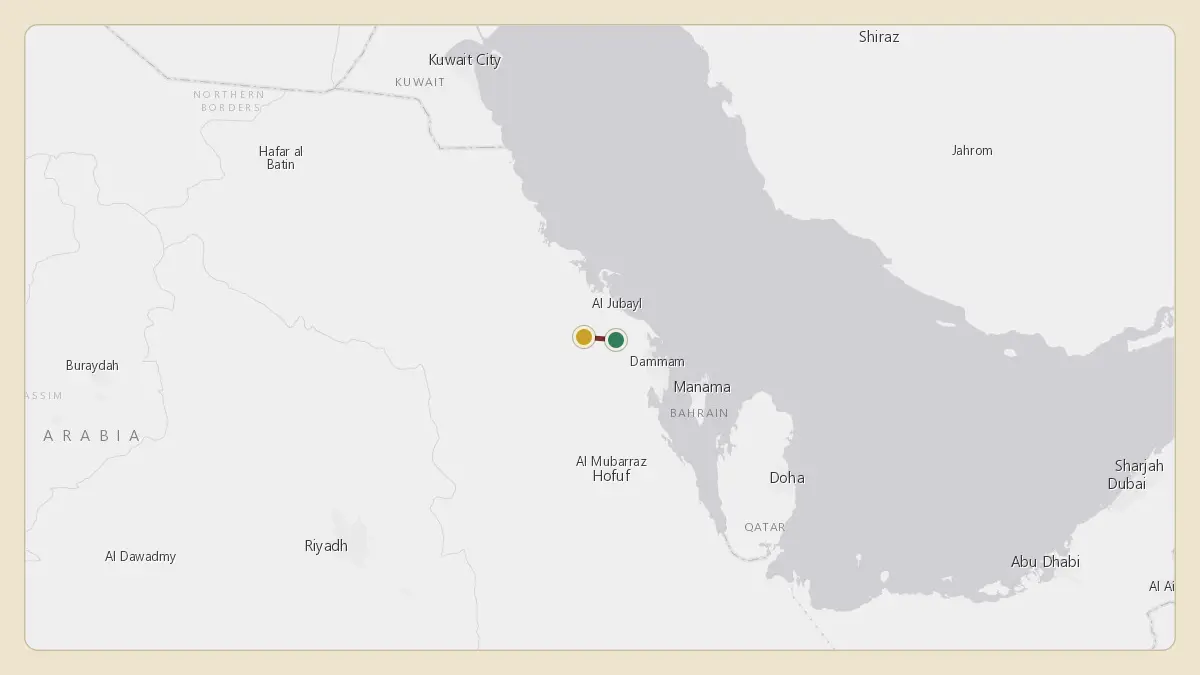
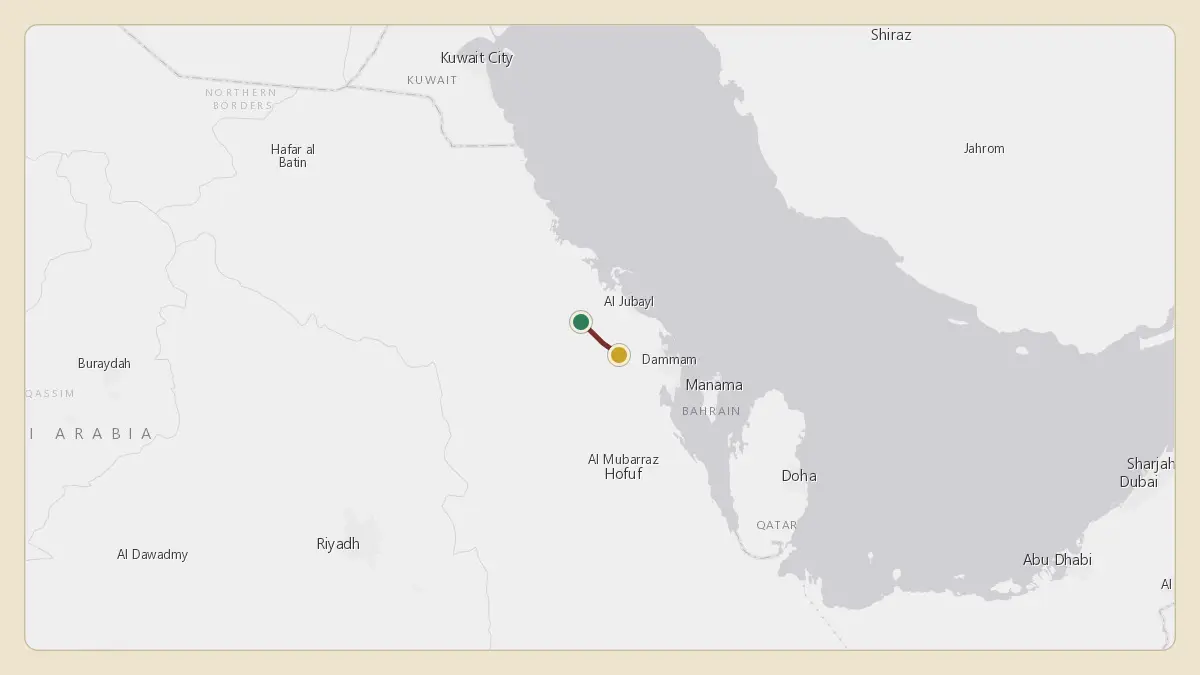
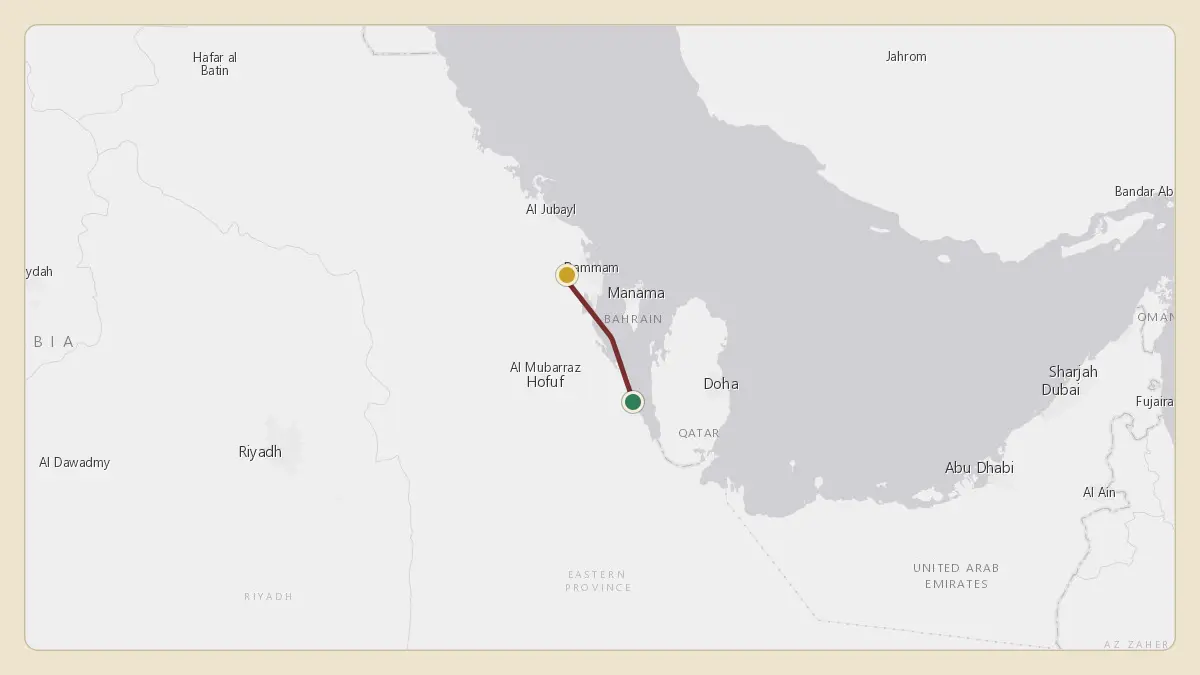
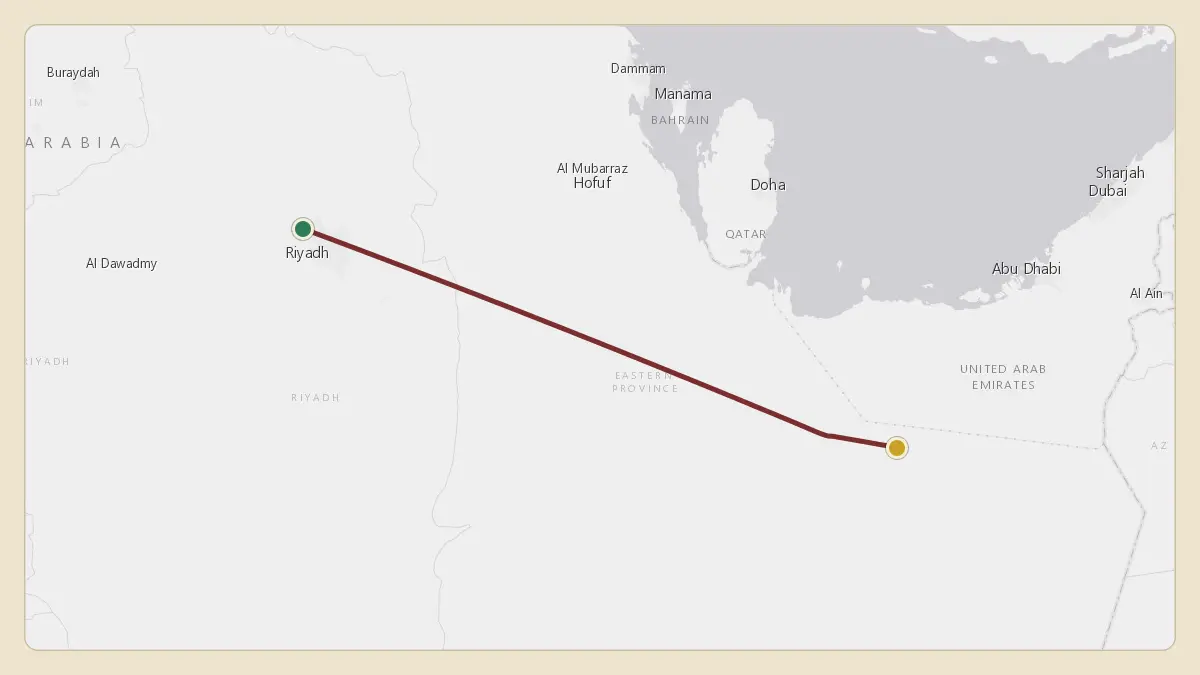
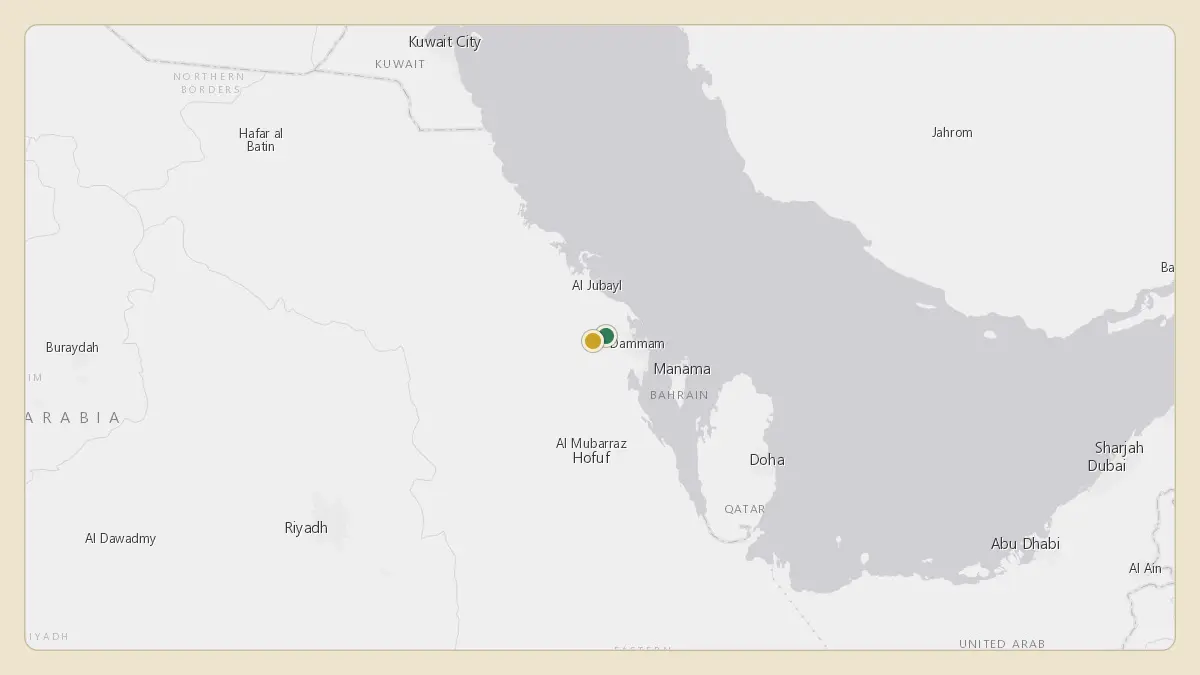
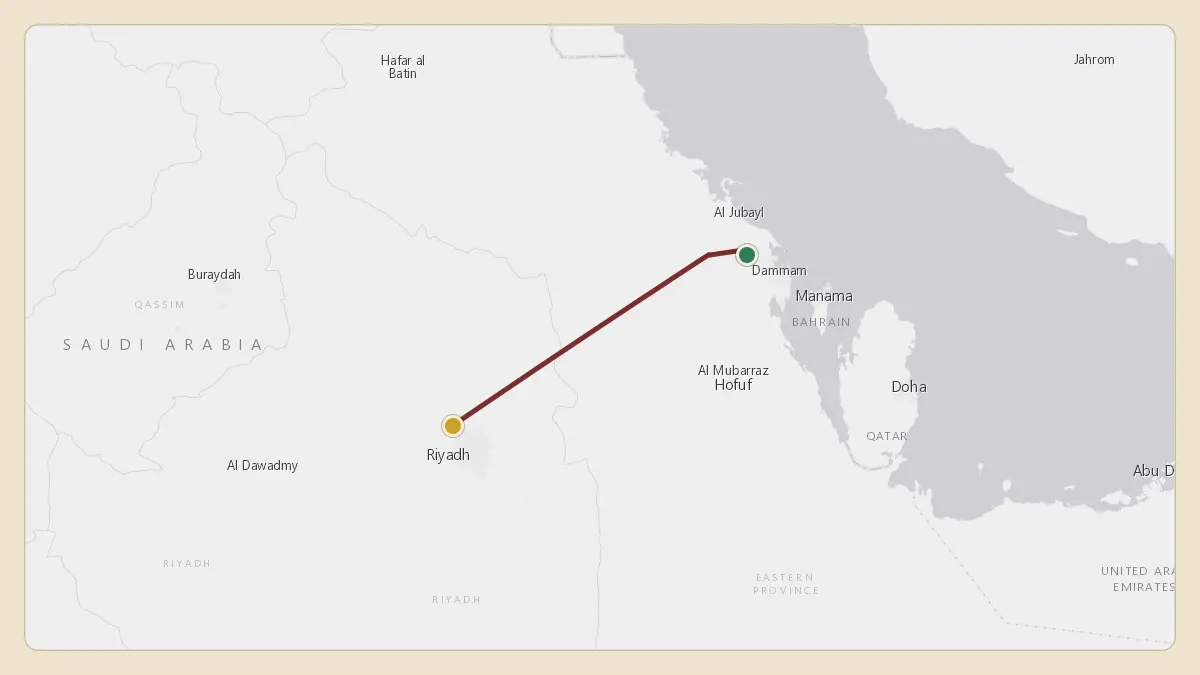
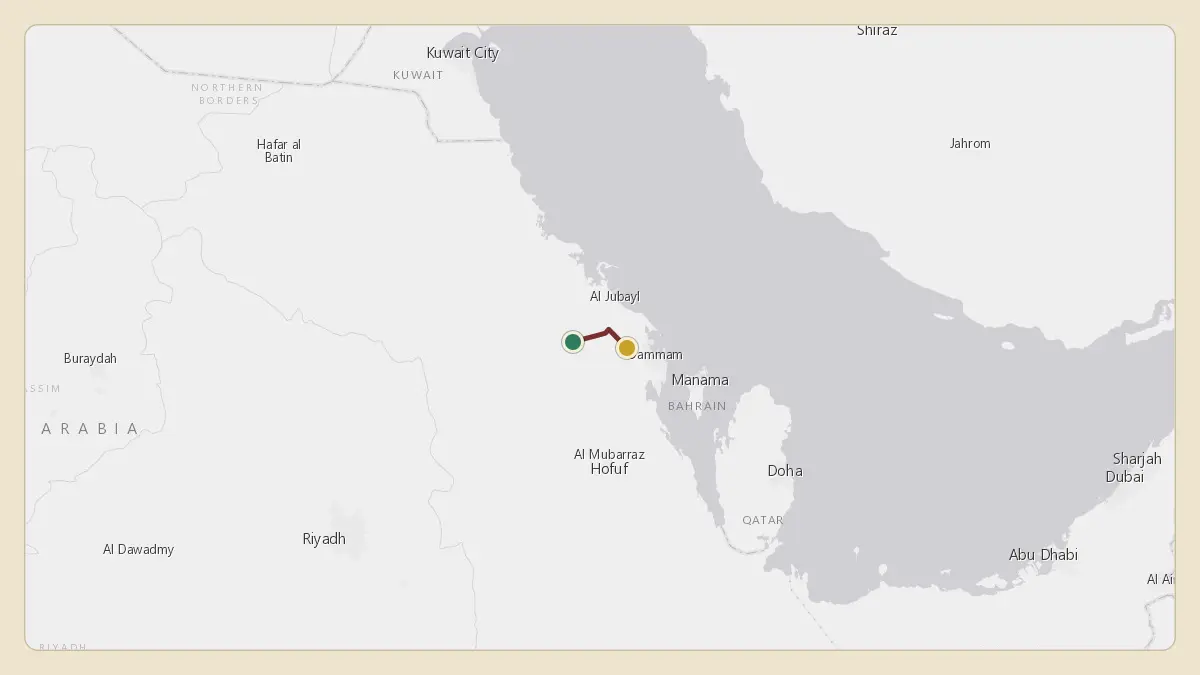
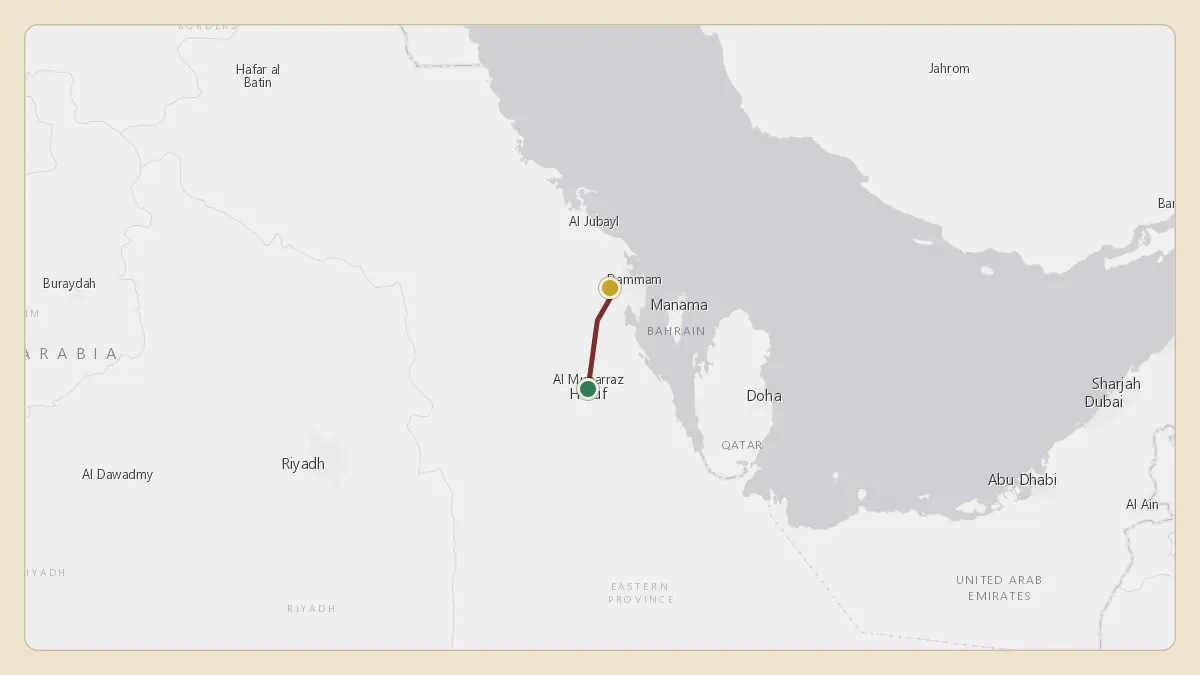
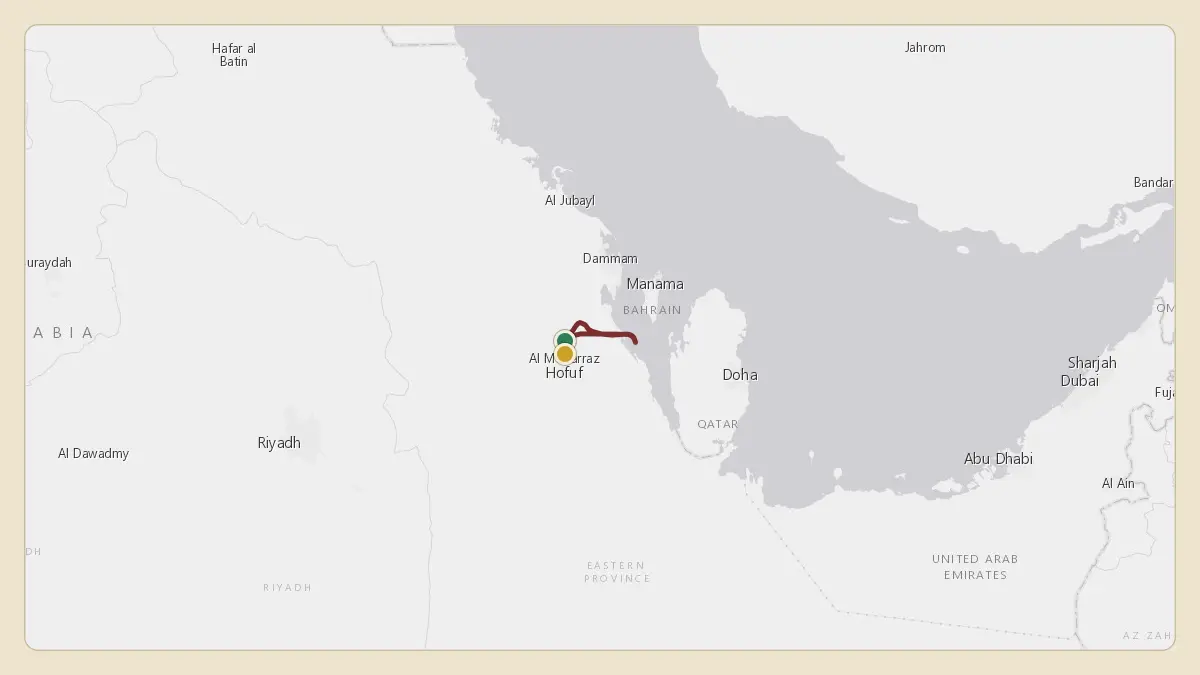
These are the last 50 flights we tracked for Saudi Aramco's private jets, newest first. Open a flight to see its route map, time in the air, top altitude and speed.
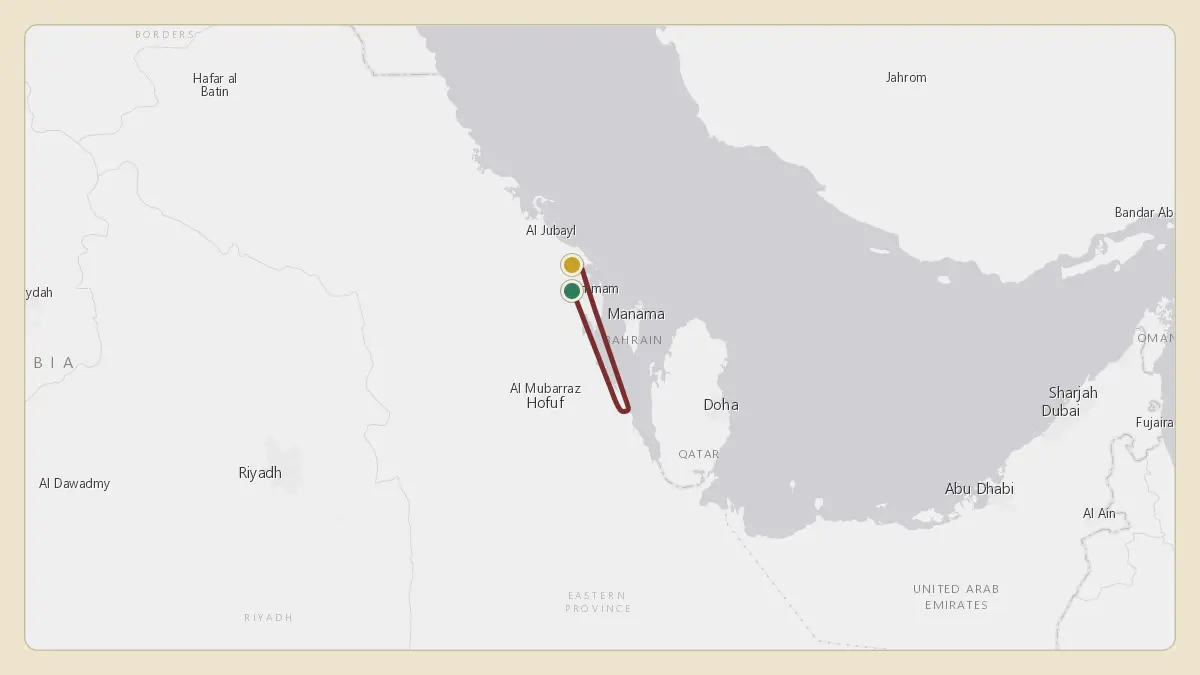
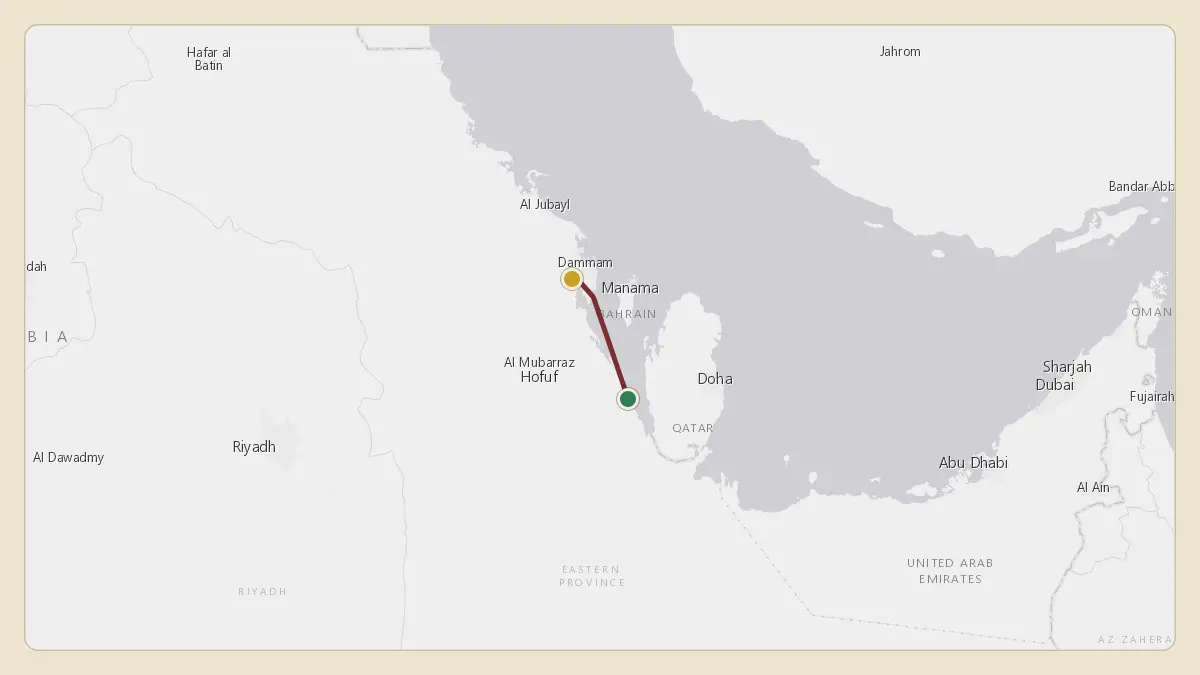
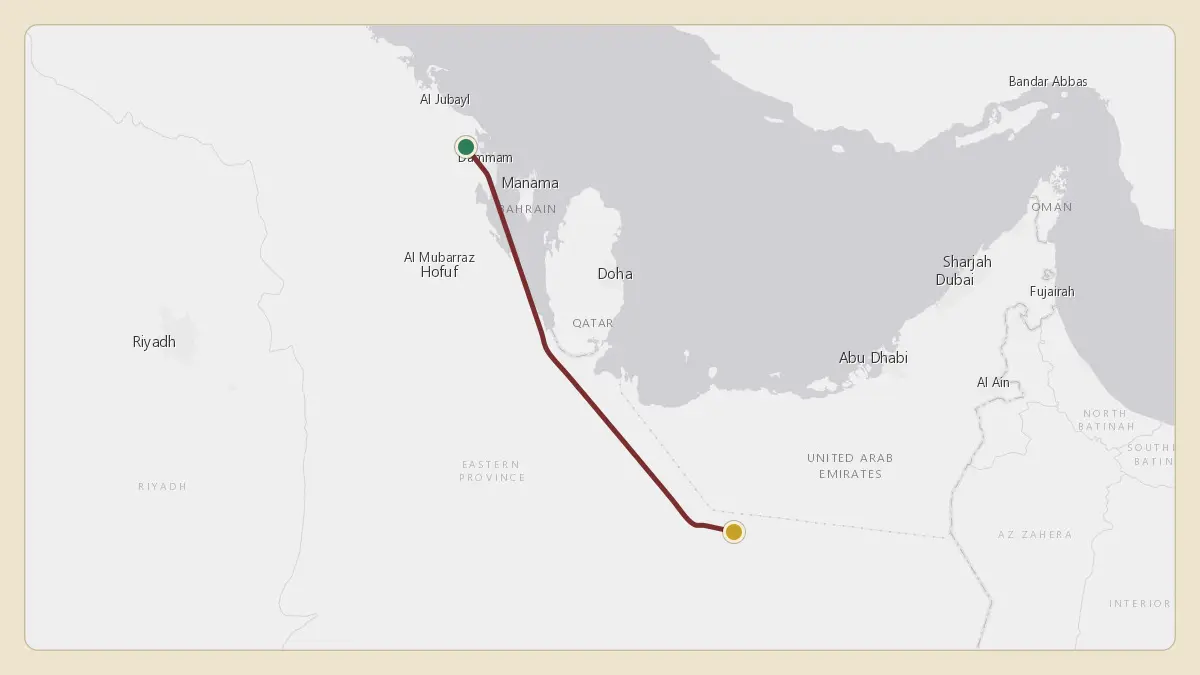
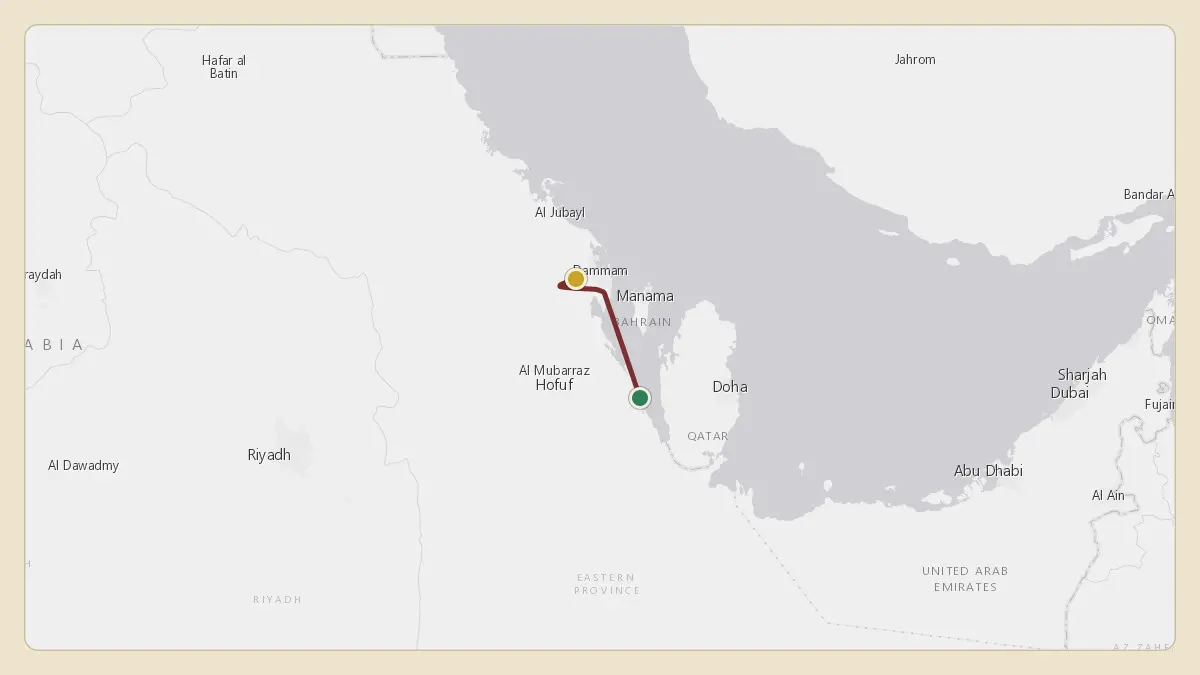
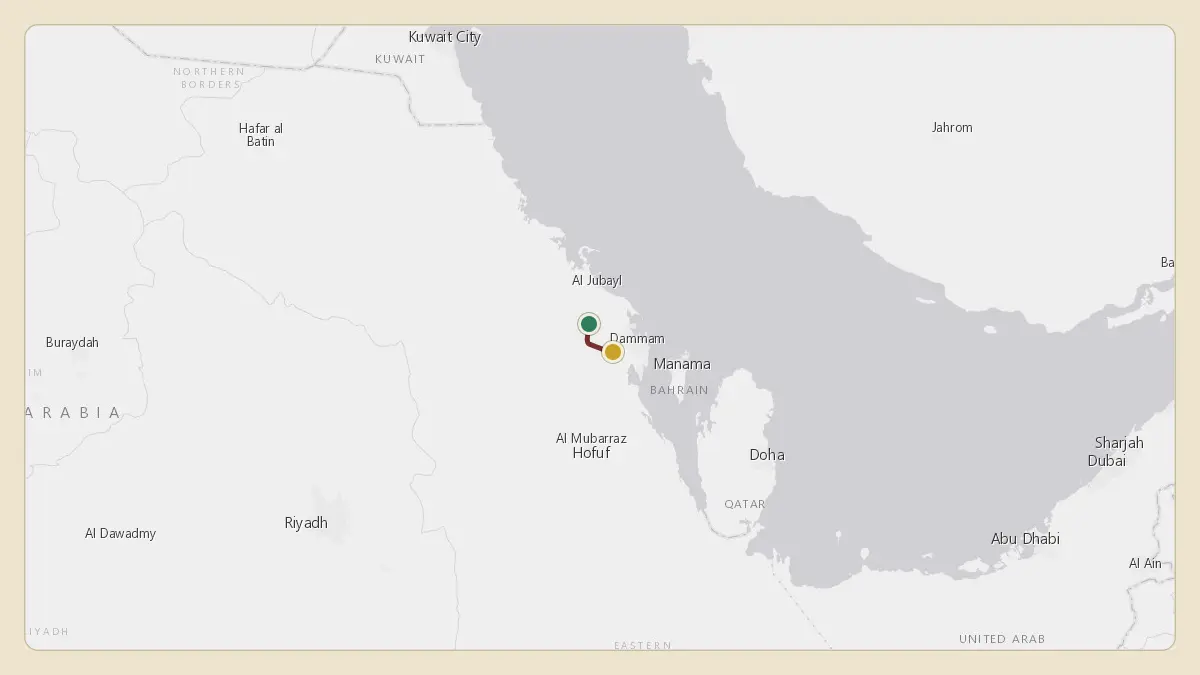
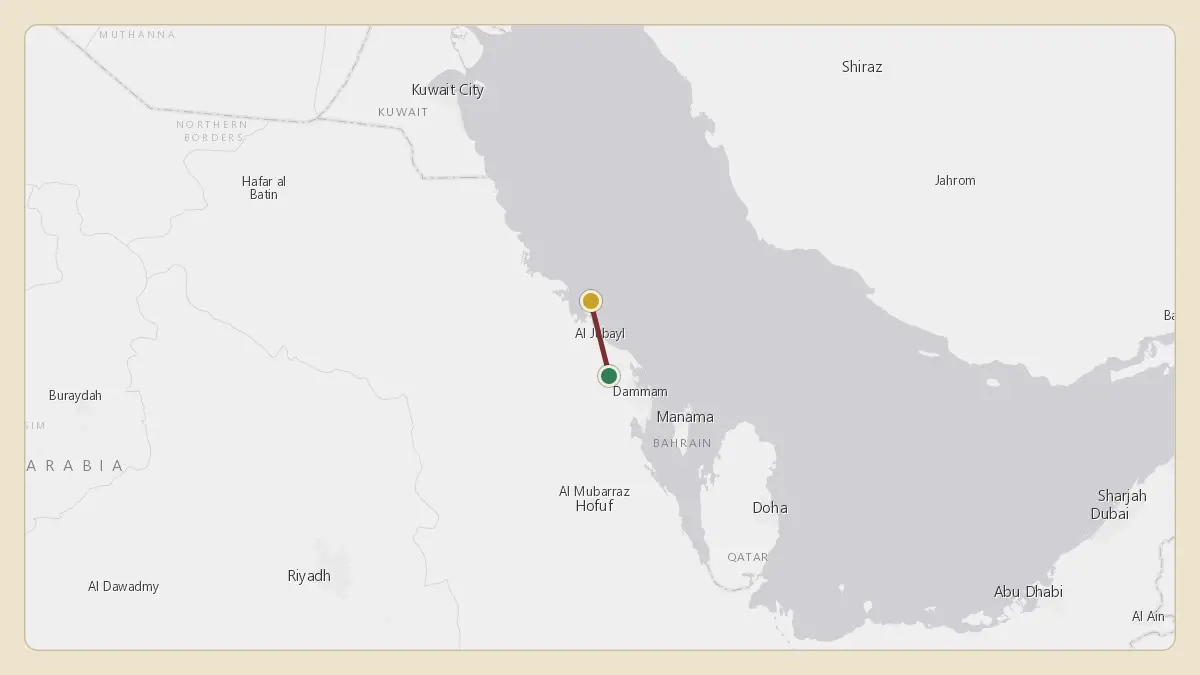
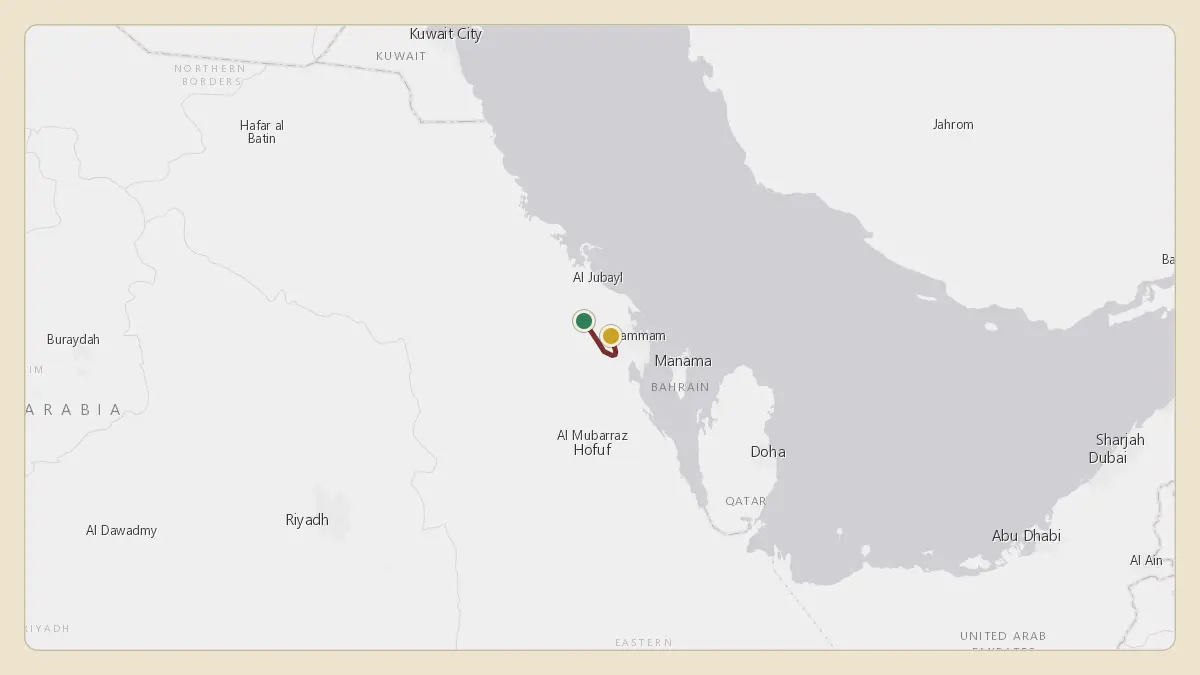
Owner matches come from the FAA registry, adsb.lol (ODbL) and ADSB.fi data, and SEC filings. They may be incomplete or out of date. Methodology · Report an error. For observational use only.
We do not see it in the air right now. The last flight we tracked for Saudi Aramco's Boeing 737-8AL (N801XA) landed at King Fahd International Airport (OEDF) on November 12, 2026. Follow it on the live jet tracker map.
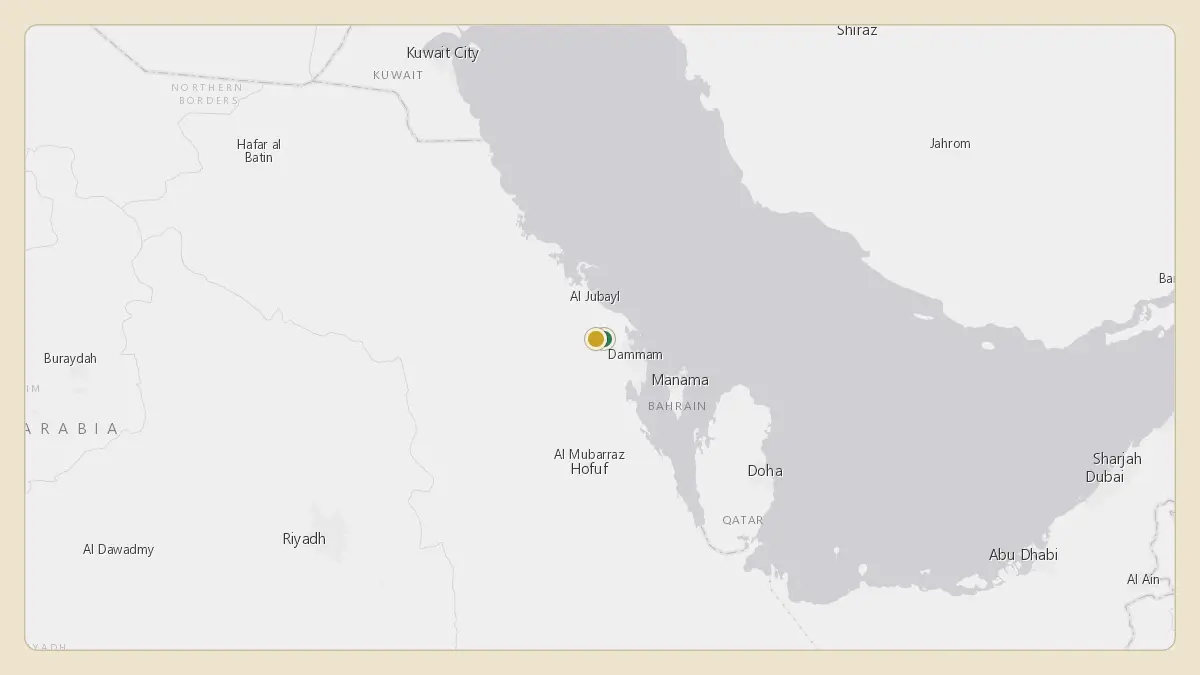
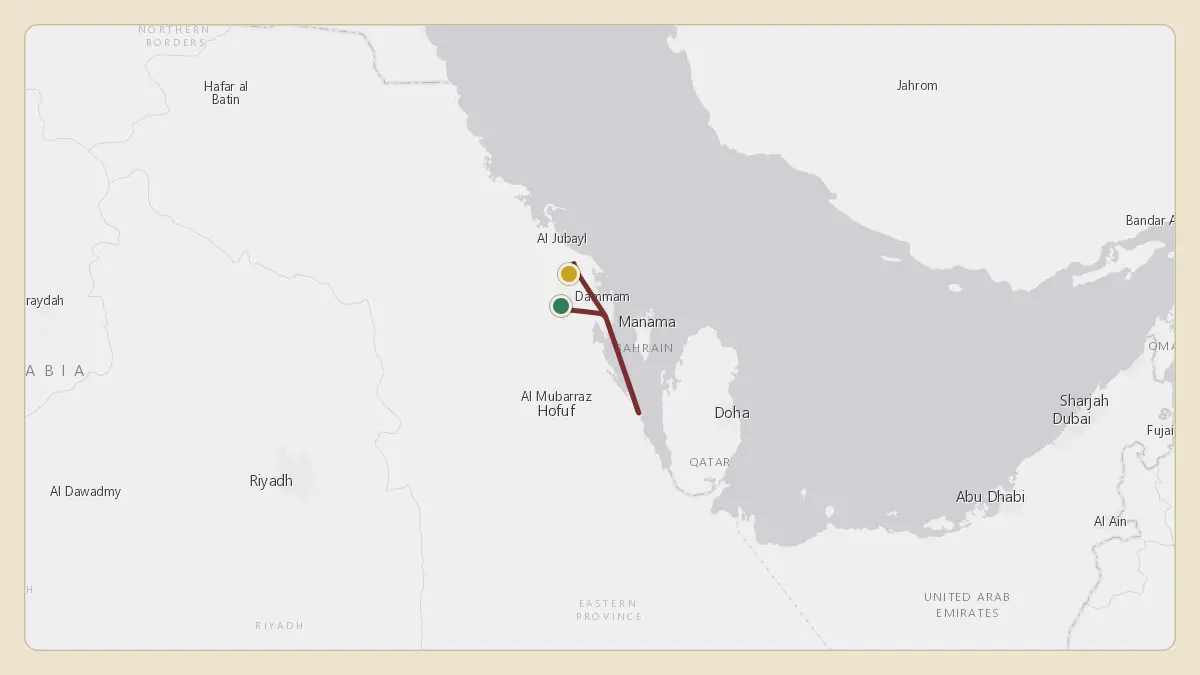
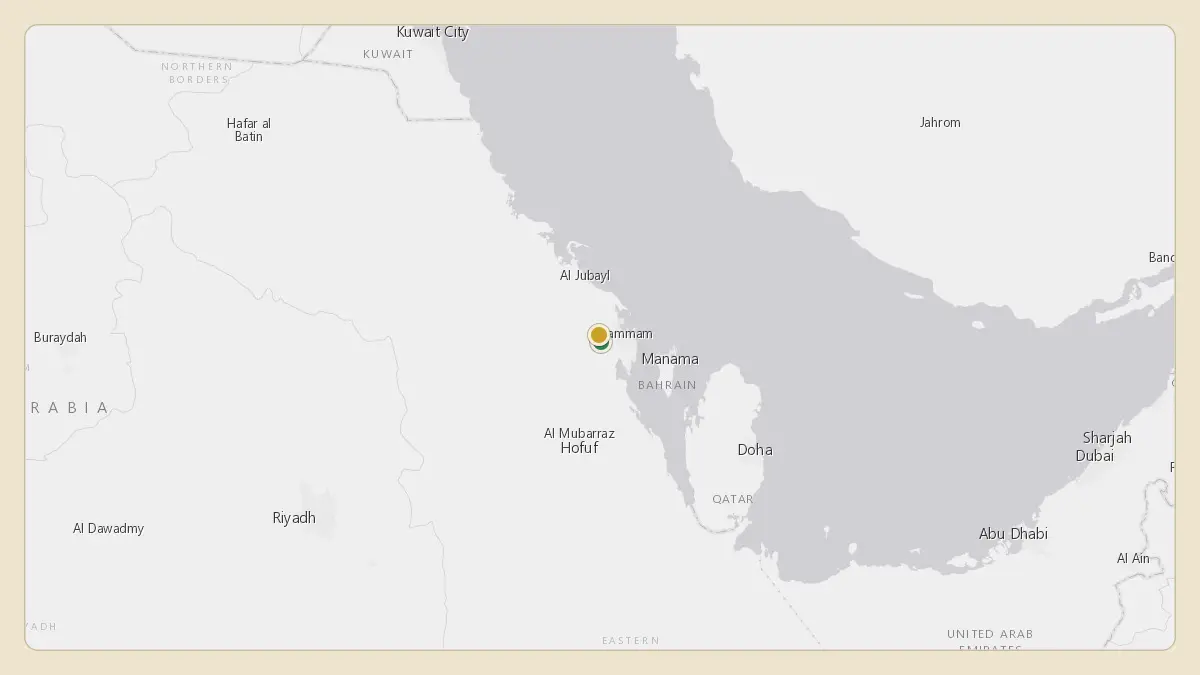
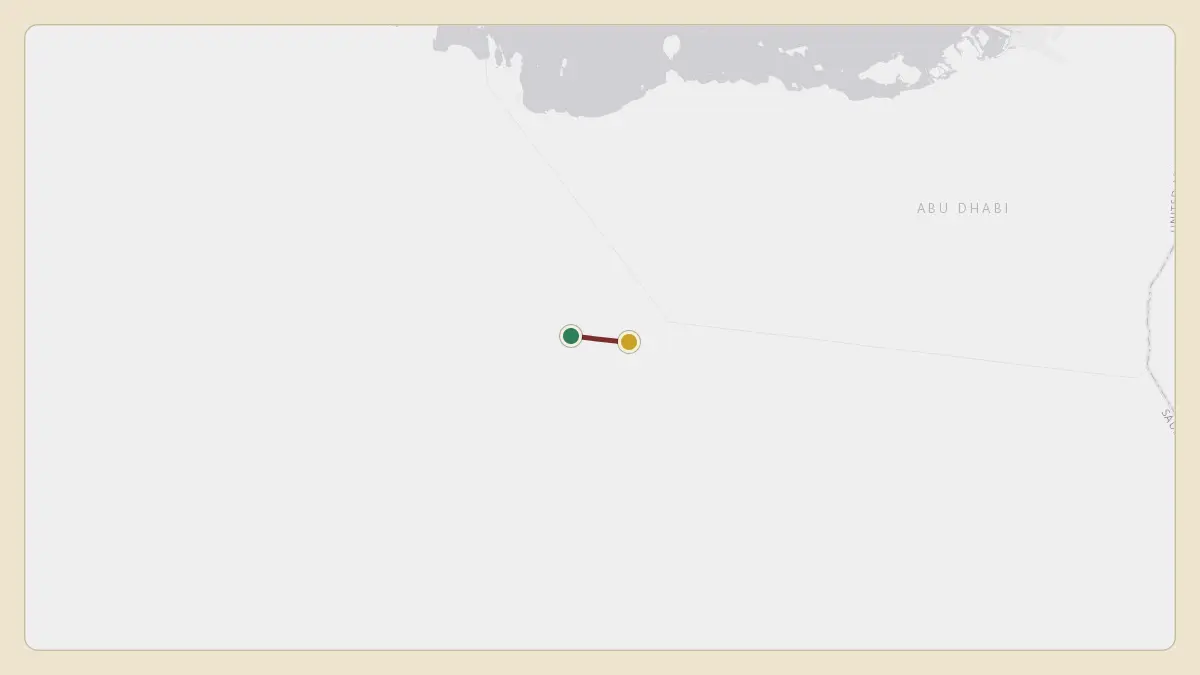
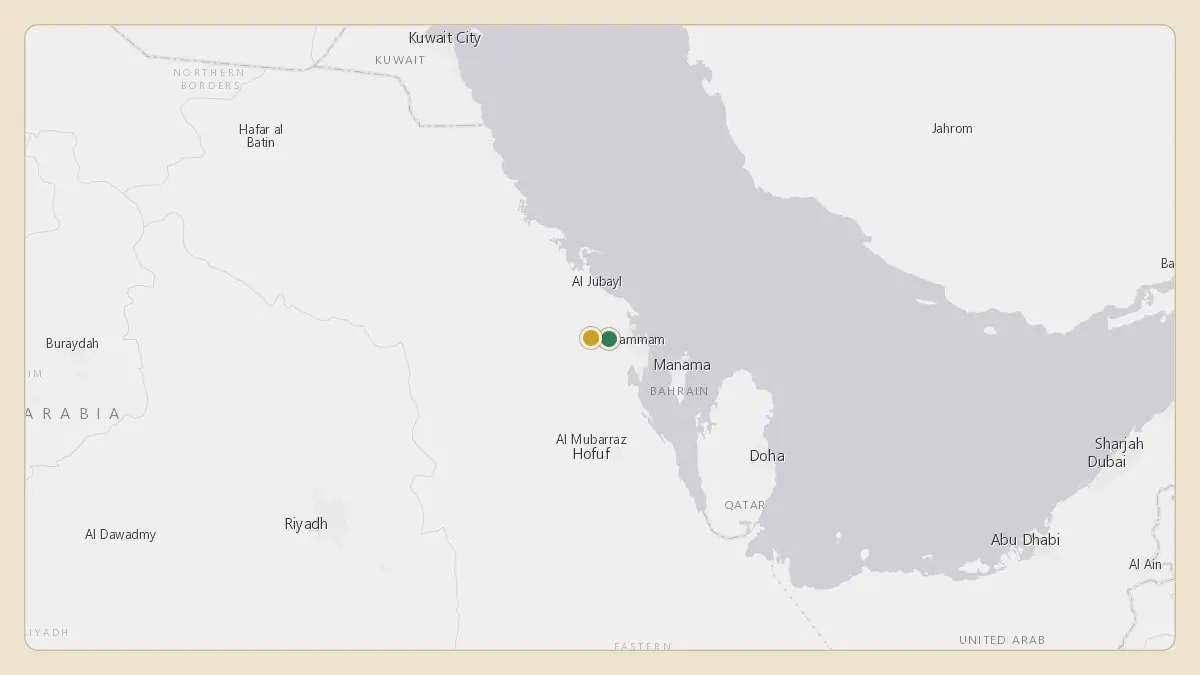
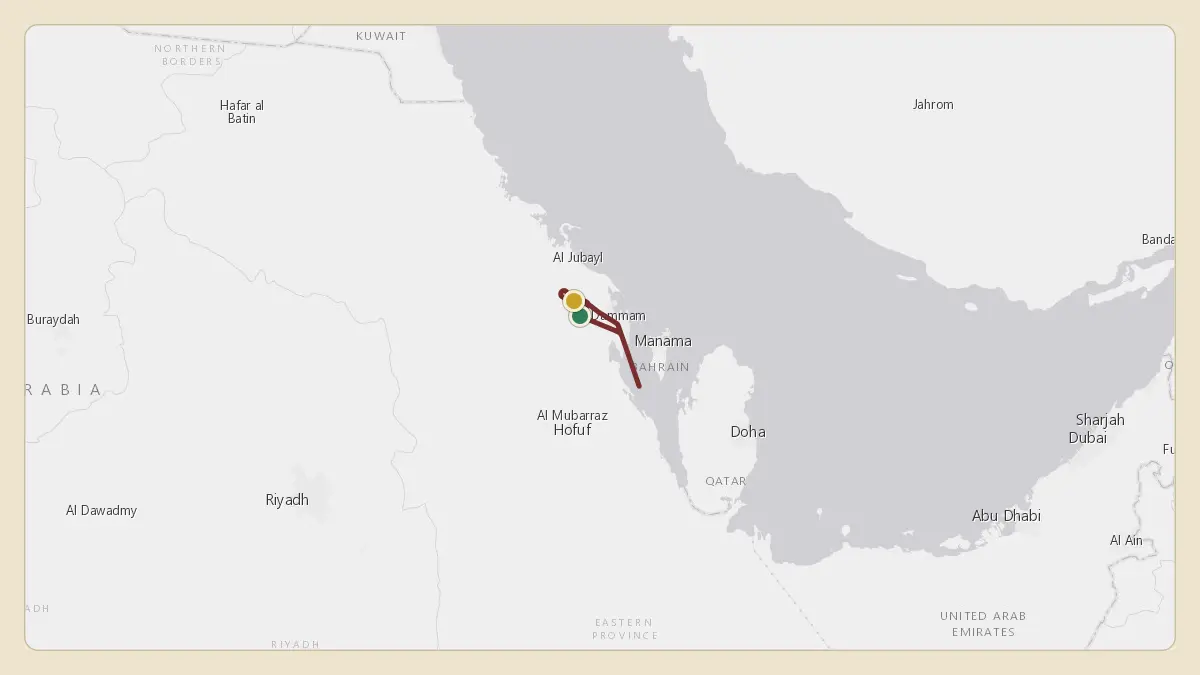
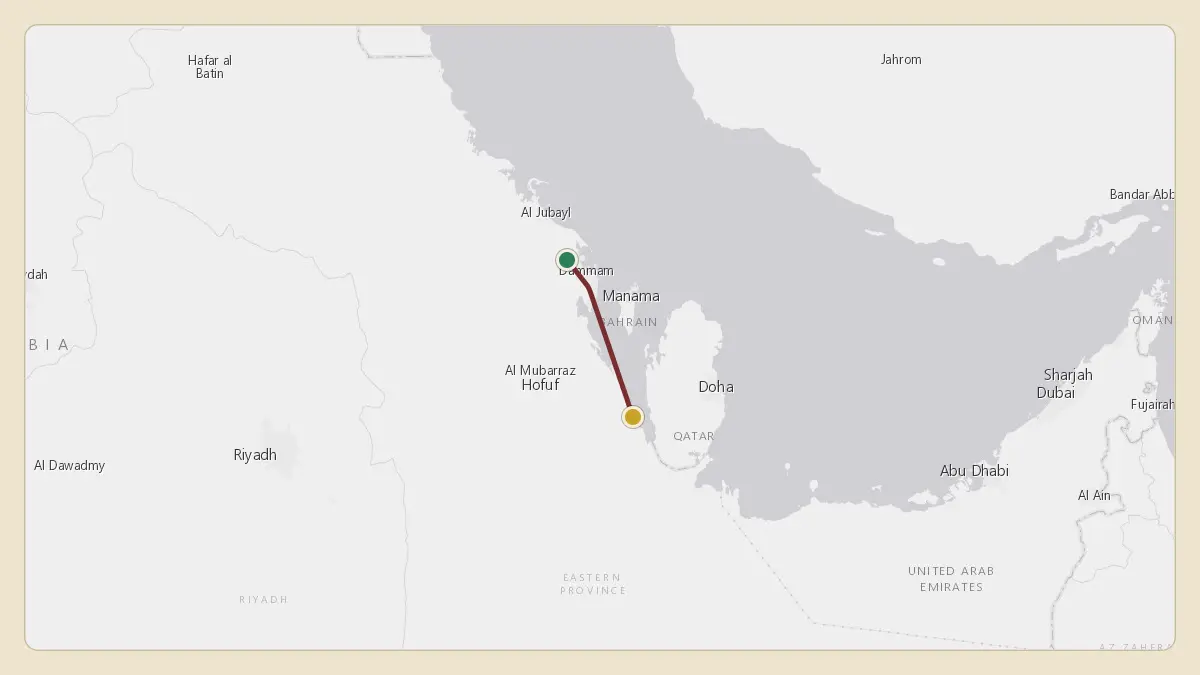
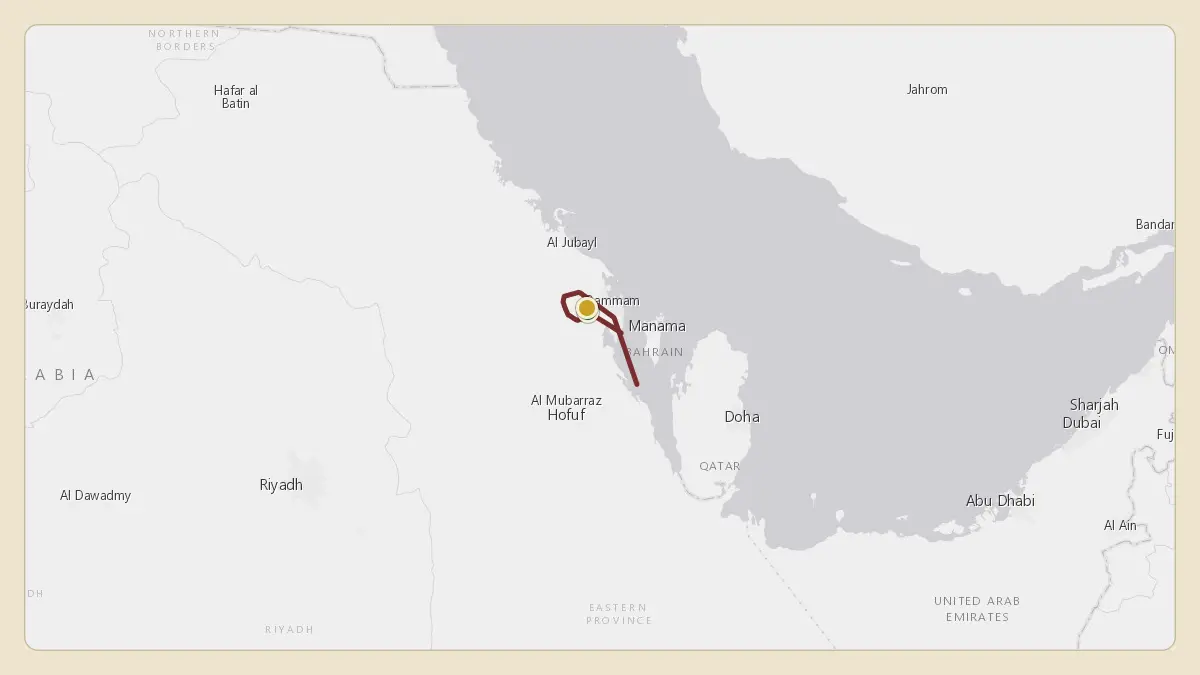
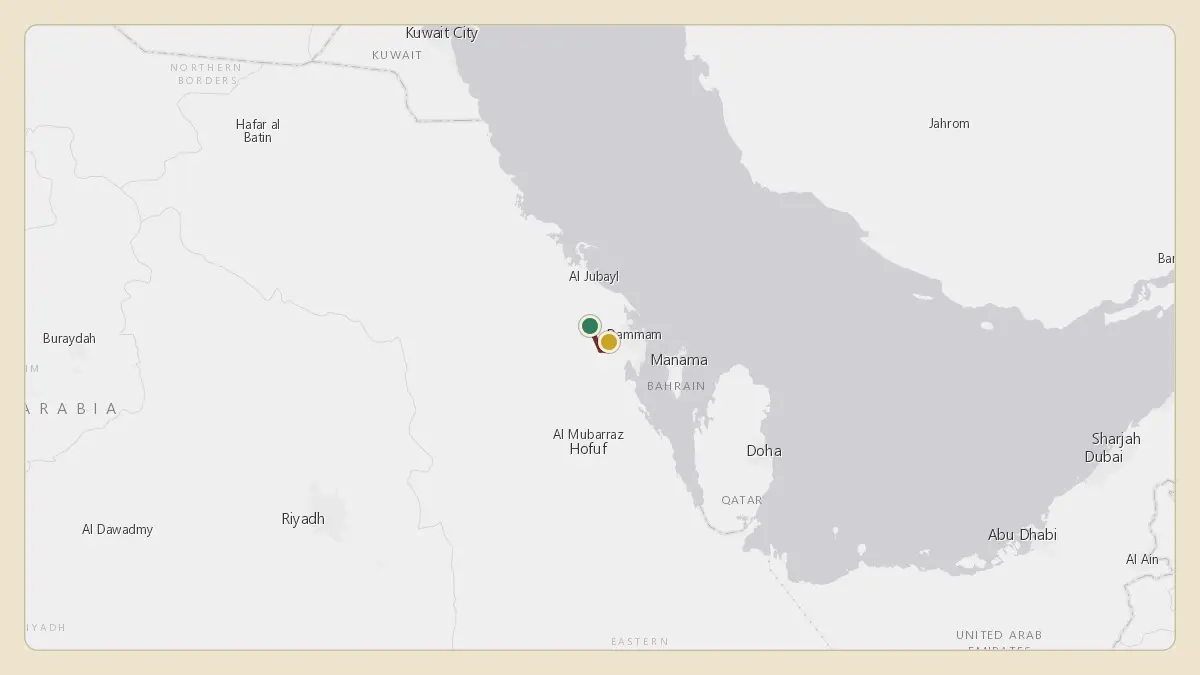
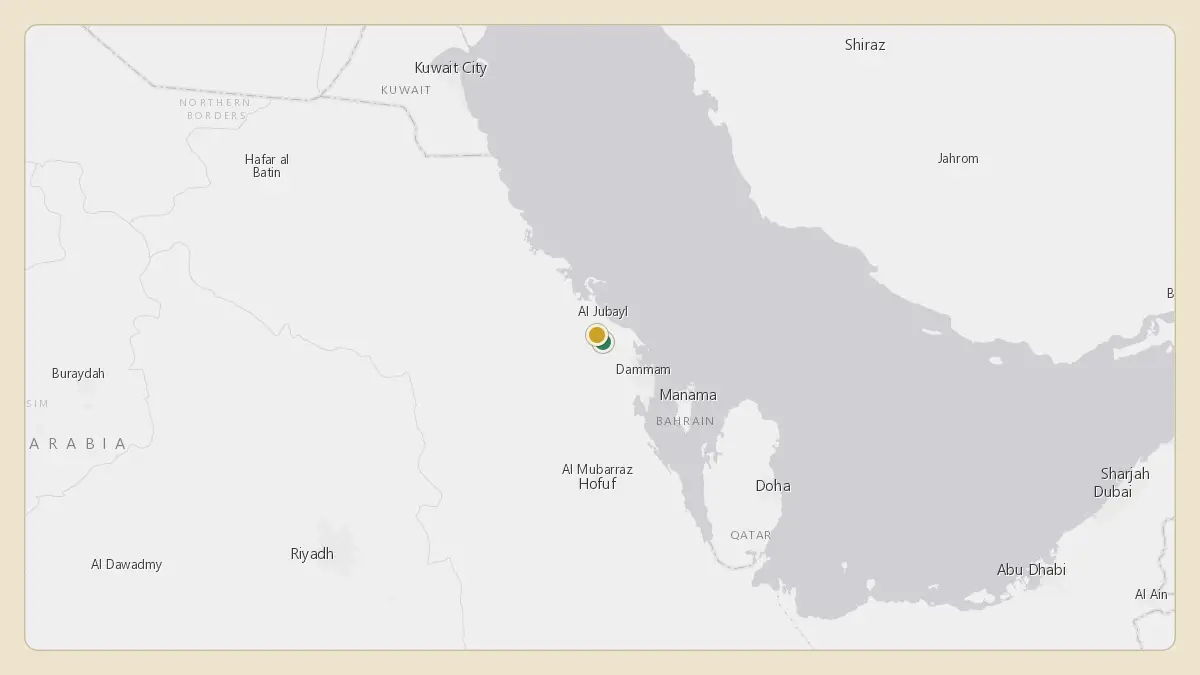
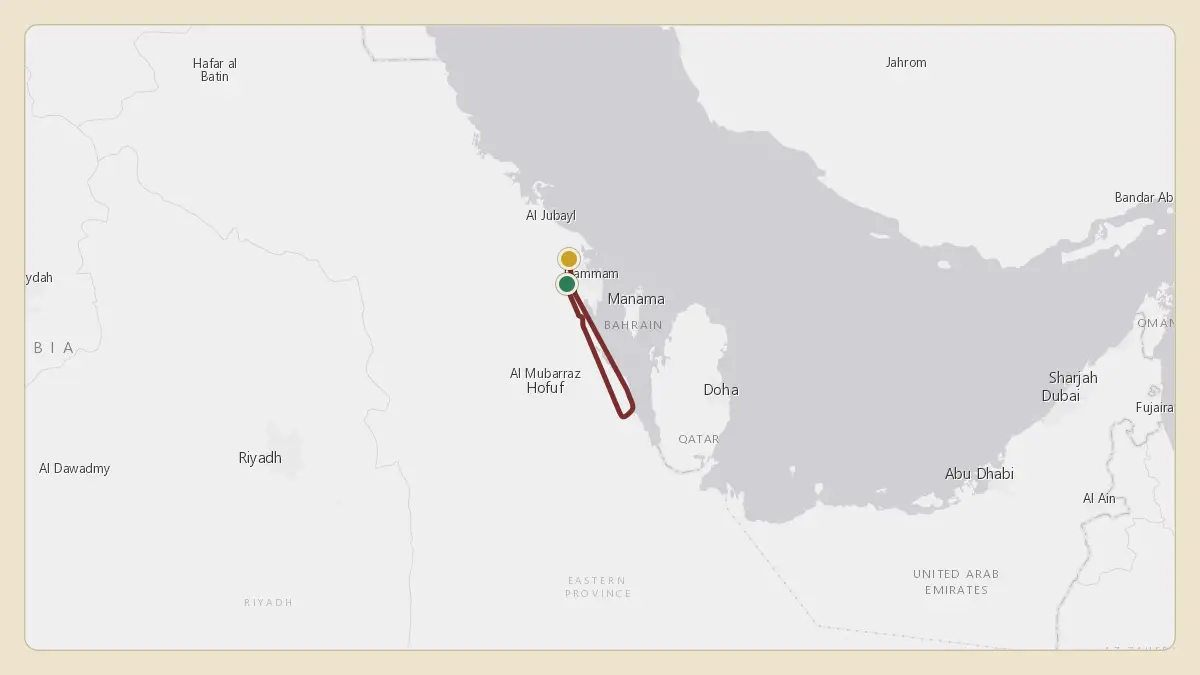
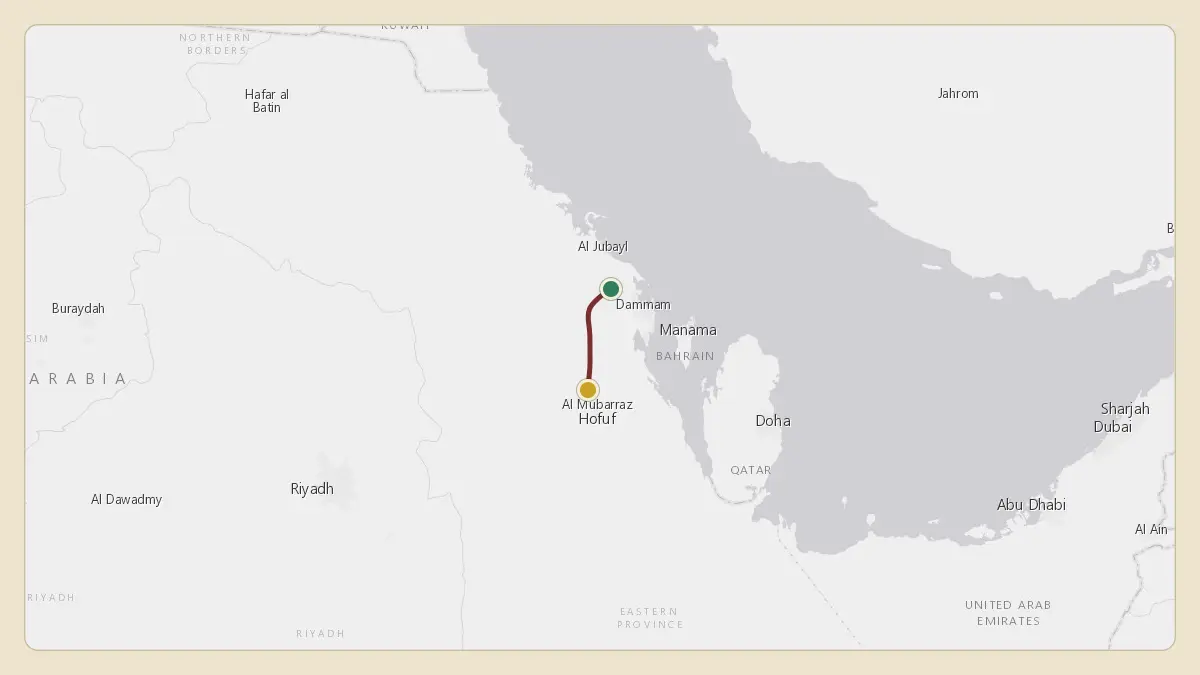
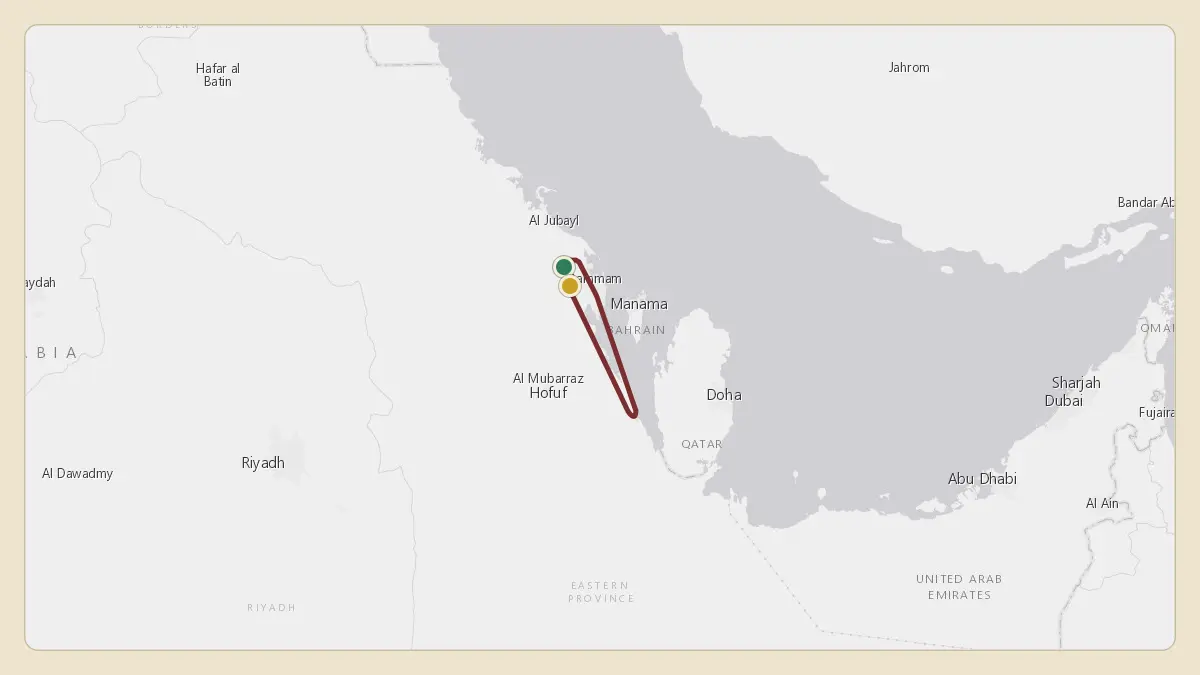
The map shows where Saudi Aramco's planes have flown. Each dot is a recorded position.
Yes. We track 2 planes linked to Saudi Aramco: a Hawker 900XP (N703A) and a Boeing 737-8AL (N801XA). The flight log on this page comes from public ADS-B signals. It shows where the planes went, not who was on board.
Saudi Aramco flies these planes: Hawker 900XP and Boeing 737-8AL. The tail numbers are N703A and N801XA. You can track each one live on this page, along with its flight history and CO₂.
Saudi Aramco owns 2 tracked planes of 2 different types: N703A (Hawker 900XP) and N801XA (Boeing 737-8AL). That count only covers planes we can tie to Saudi Aramco through public registration and ADS-B records. A plane held through an undisclosed company, or one that is chartered, would not show up here.
Saudi Aramco flies a Hawker 900XP, tail number N703A. It is a midsize jet. We also track 1 more plane on this page: Boeing 737-8AL (N801XA).
Saudi Aramco's private jets have these tail numbers: N703A (Hawker 900XP), N801XA (Boeing 737-8AL). Each tail number links to a live tracking page. There you can see the plane's flight history, fuel burn and CO₂.
About 2,402 kg for every hour in the air. Saudi Aramco's Hawker 900XP (N703A) burns roughly 250 gallons of jet fuel an hour. That is about the same CO₂ as driving an average car 5,945 miles.
Saudi Aramco's home airport is King Fahd International Airport (Dammam) (OEDF / DMM). Frequent stops include OERK, OEJN, OEYN and OEAB.
About 431.1 metric tons of CO₂ over 50 tracked flights and 56 hours in the air. We start with the flight times from public ADS-B data. We multiply each hour by the maker's fuel burn figure. Then we apply the EPA standard of 9.57 kg of CO₂ per gallon of jet fuel.
Yes. The FAA requires planes with transponders to broadcast their position over ADS-B, and the signal is not encrypted. We collect that public data from adsb.lol and ADSB.fi, two open flight-tracking networks. News outlets and university researchers use the same kind of data. Our methodology page explains how it works.