Airbus A321-200NX
G-GBNI · ICAO: N/A · Airliner jet
Fuel burn
280 gal/hr
CO₂ per hour
2,690 kg
Car miles equiv.
6,658
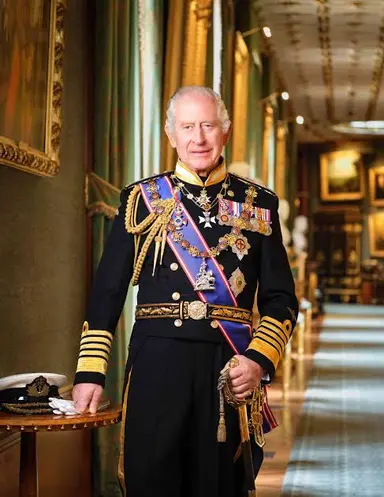
The United Kingdom's government air fleet is operated by 32 (The Royal) Squadron at RAF Northolt, west of London. King Charles III, the Prime Minister, Cabinet ministers, and members of the Royal Family travel on aircraft funded by the Ministry of Defence and the Government Car Service.
The main aircraft is a converted Airbus A321-200NX (G-GBNI) operated by Titan Airways under contract — re-registered from ZZ336 after the A330 Voyager was returned to primarily tanker duties. Two Dassault Falcon 900LX jets (G-ZABH and G-ZAHS) handle shorter European diplomatic hops, flying under the KRH645 / KRH646 callsigns.
The Royal Family additionally uses helicopters of the Royal Squadron and occasionally Charter aircraft. King Charles has been vocal about sustainability; his VIP jet travel generates significant media coverage any time he travels internationally.
Note · We track UK Government / Royal Flight's planes, not UK Government / Royal Flight in person. Flight data shows when and where each plane flew. It does not show who was on board.
Over the last 50 completed flights we tracked, UK Government / Royal Flight's planes spent about 76 hours in the air. We estimate those flights put out 195.3 metric tons of CO₂.
Total flights
50
Total CO₂
195.3t
Flight hours
76h
We track 3 planes for UK Government / Royal Flight. Each one is listed below with its tail number and hourly CO₂.
These are the last 50 flights we tracked for UK Government / Royal Flight's planes, newest first. Open a flight to see its route map, time in the air, top altitude and speed.
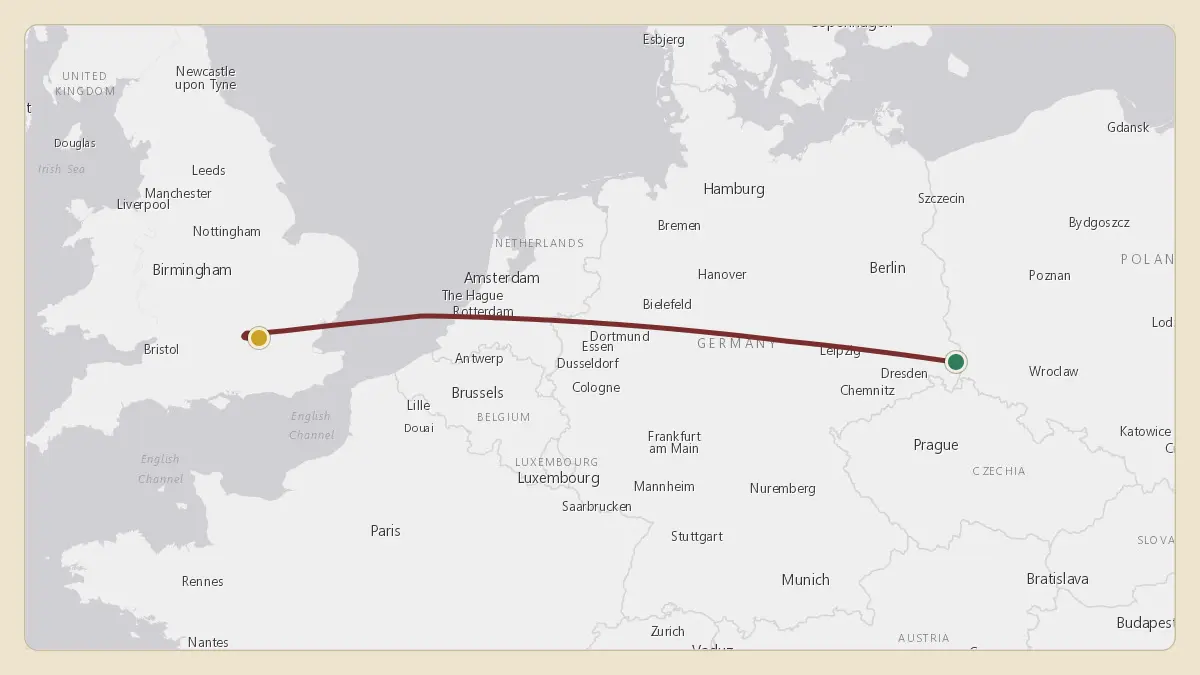
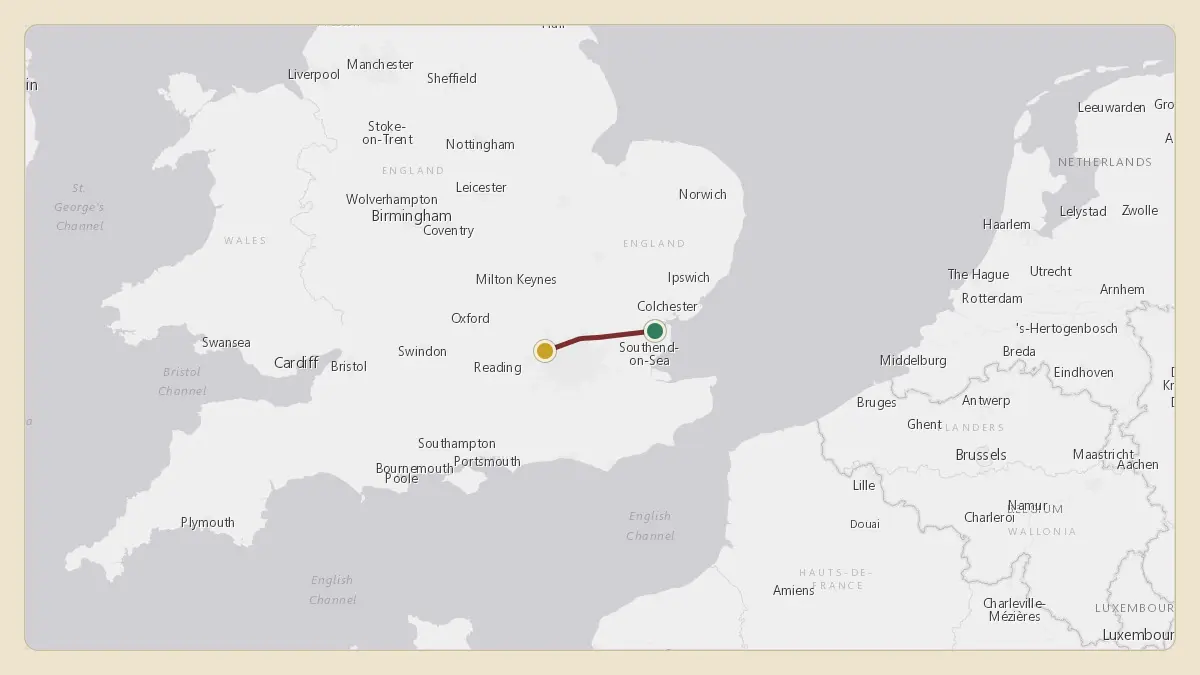
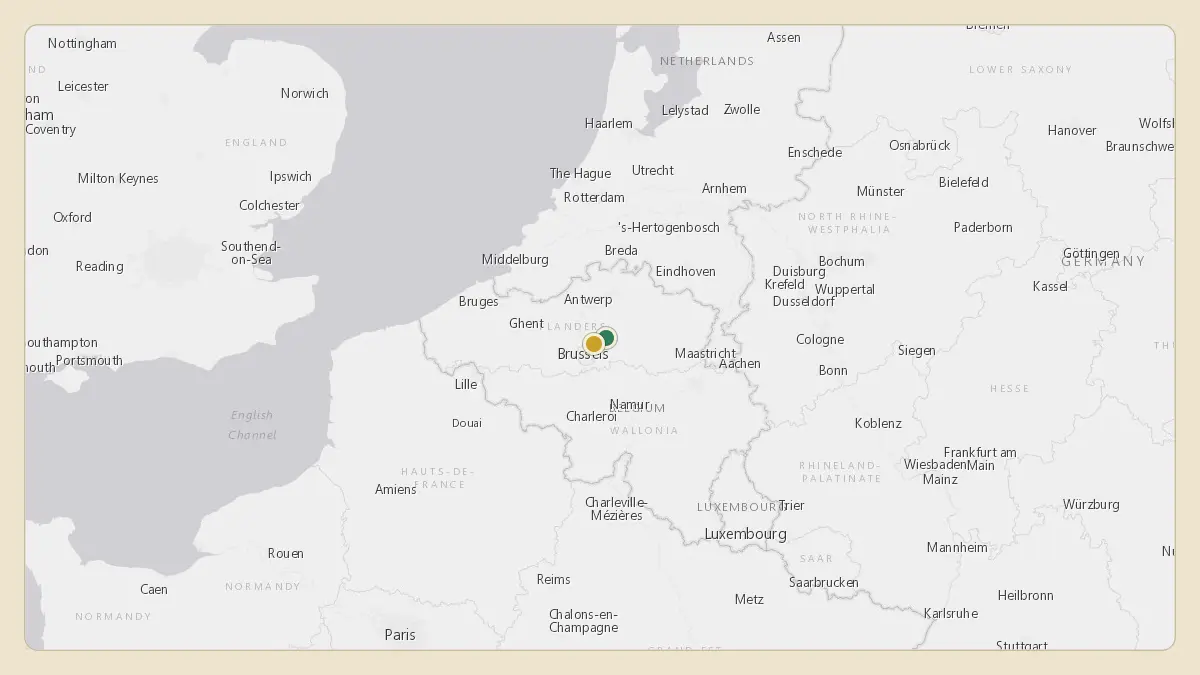
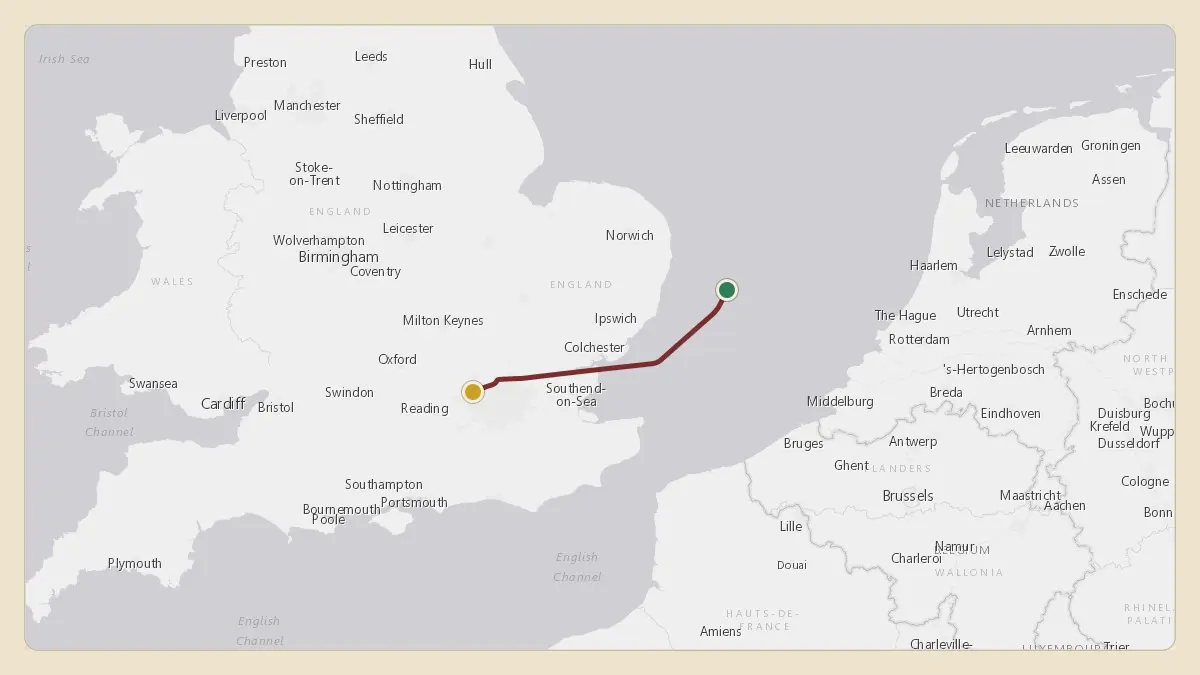
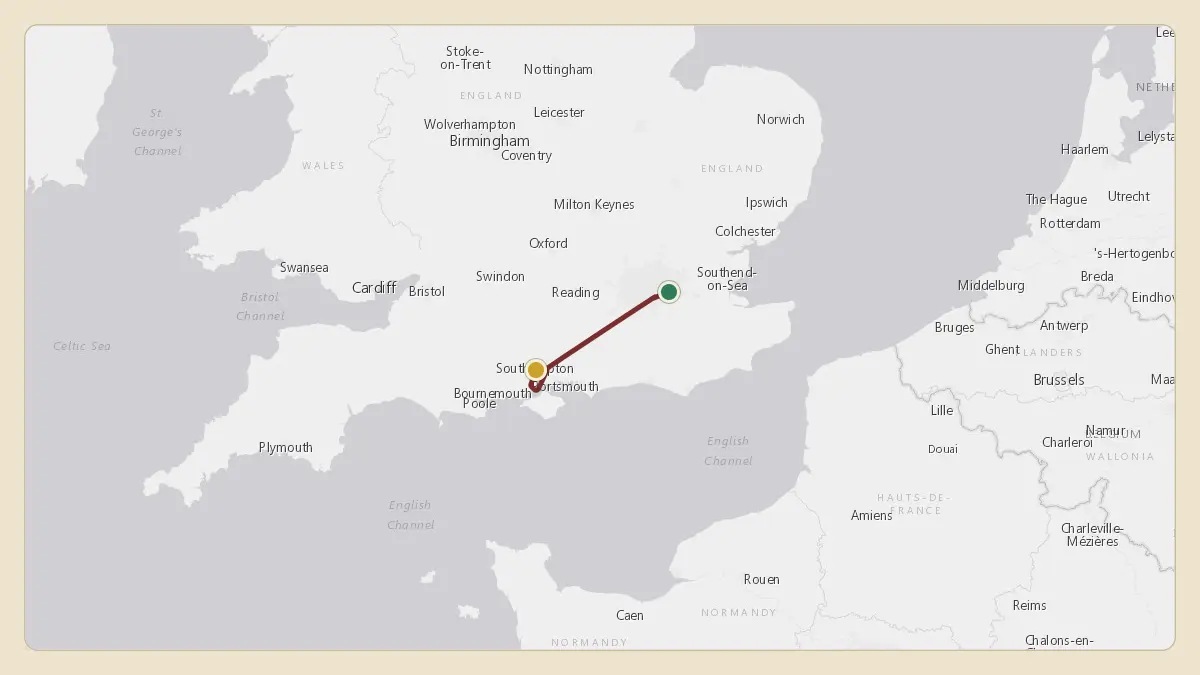
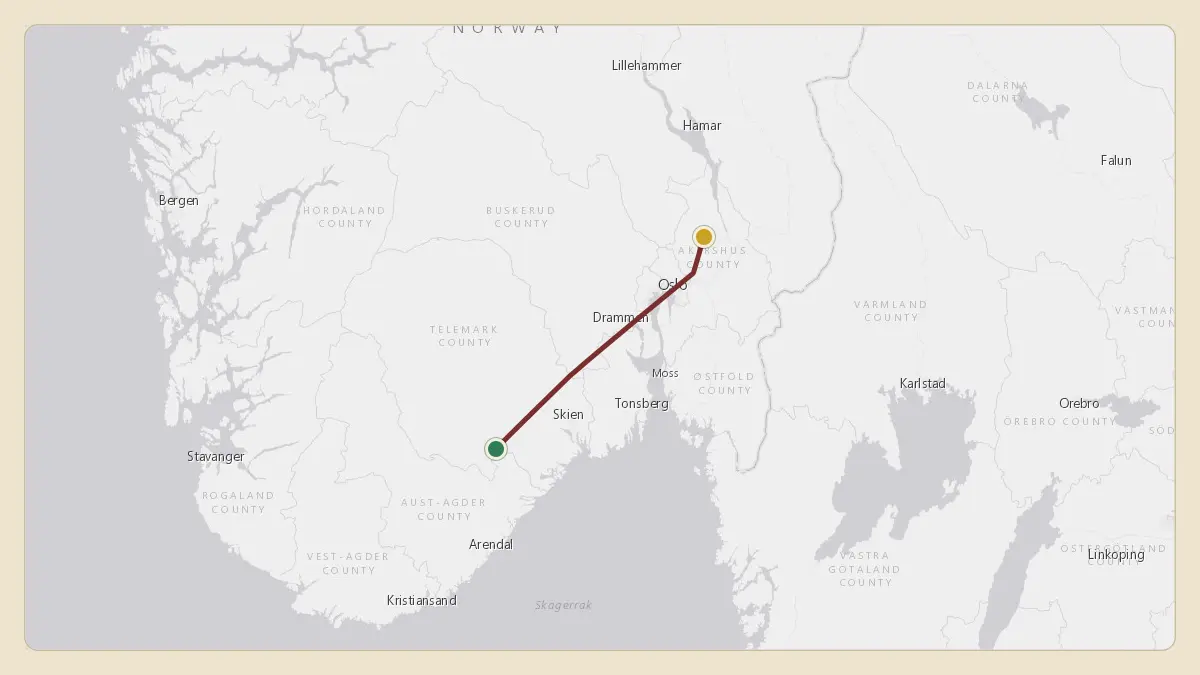
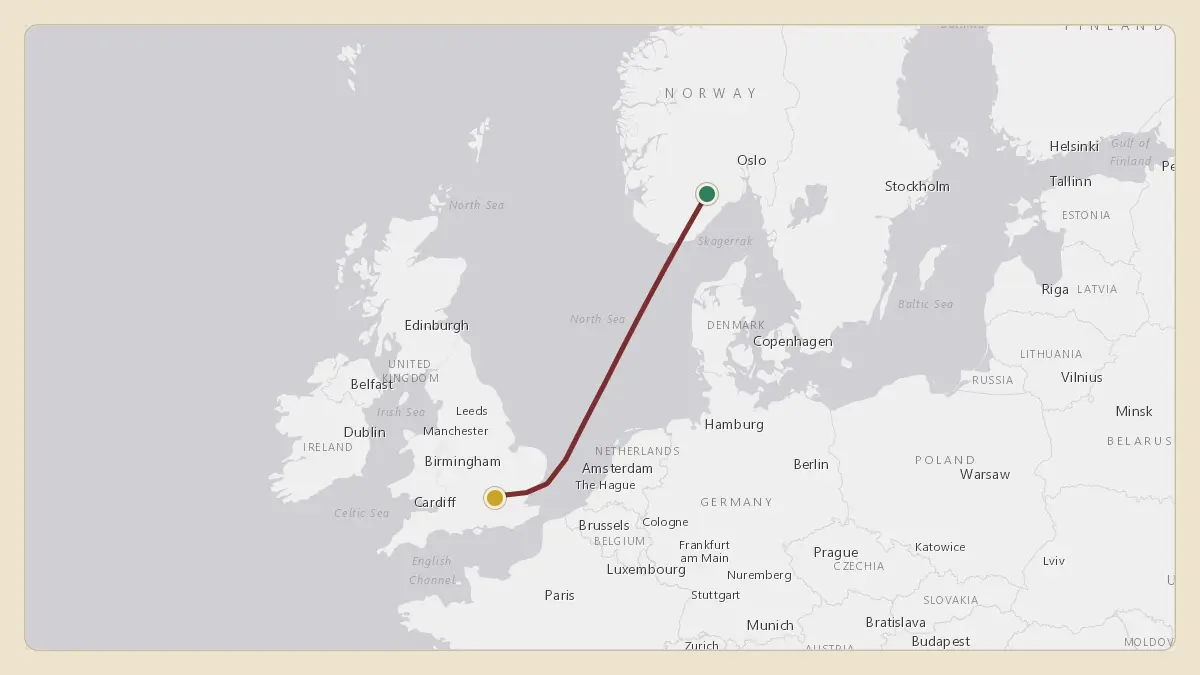
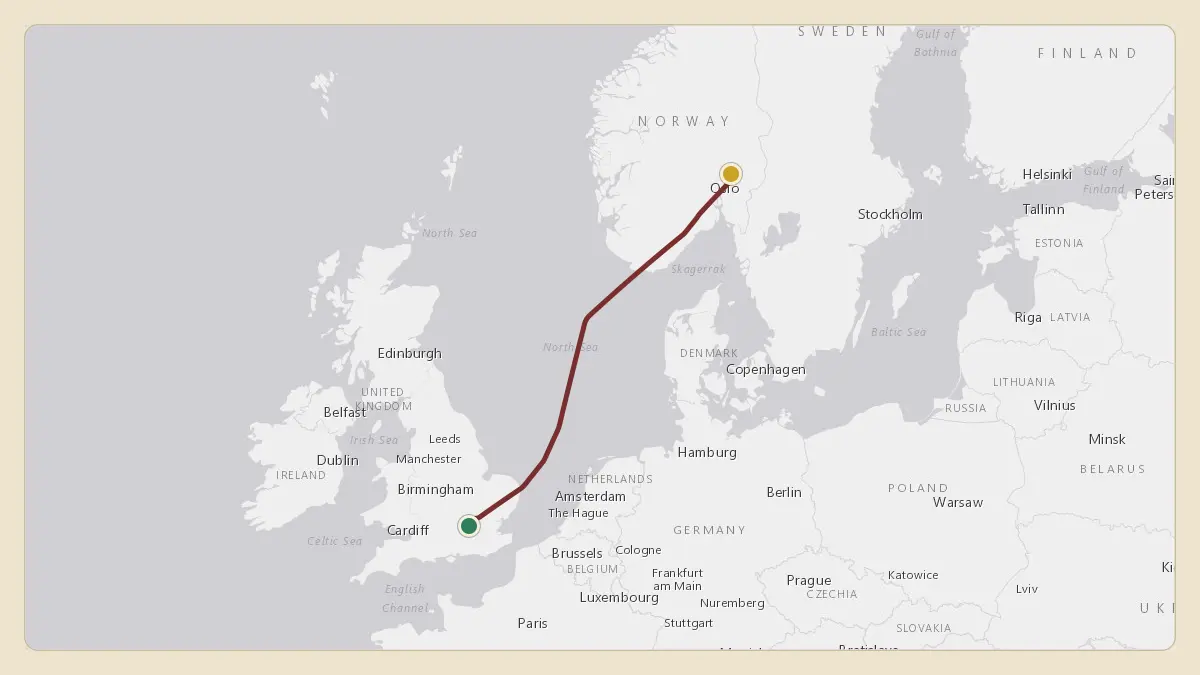
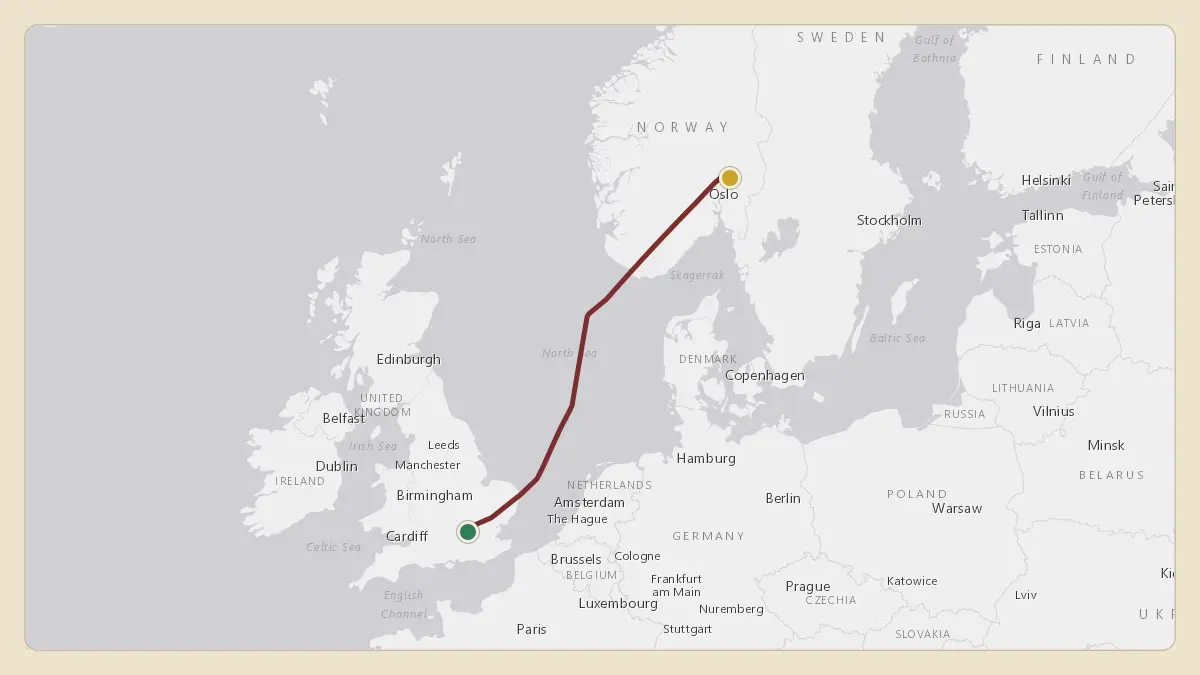
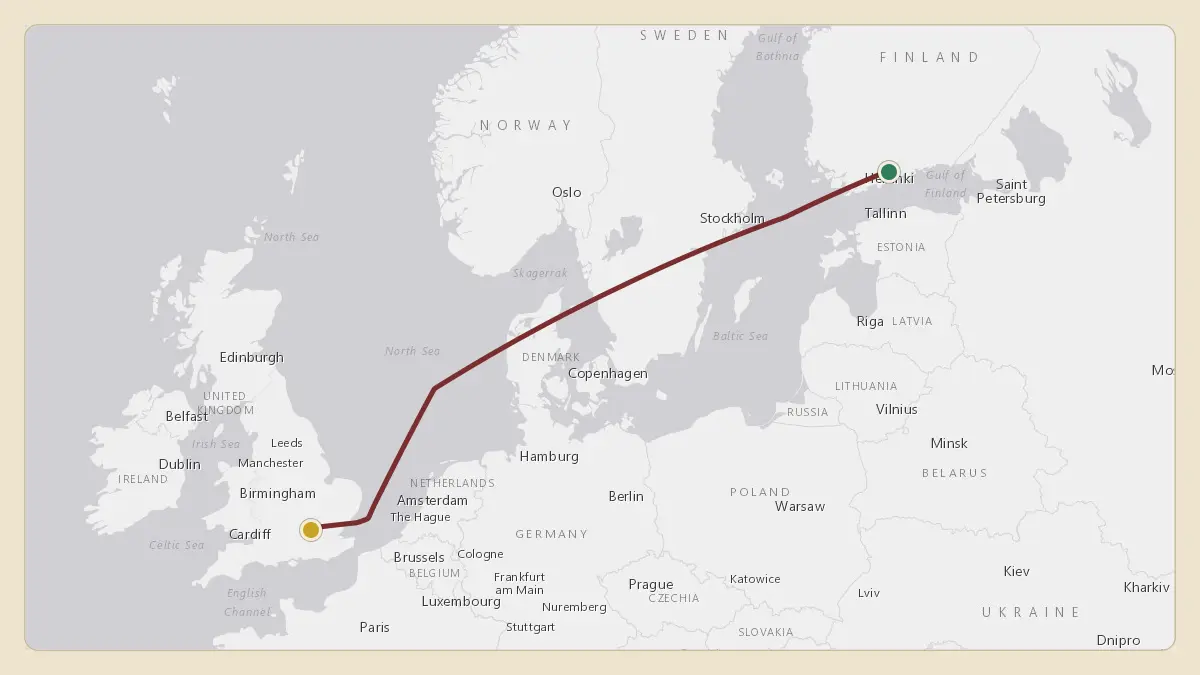
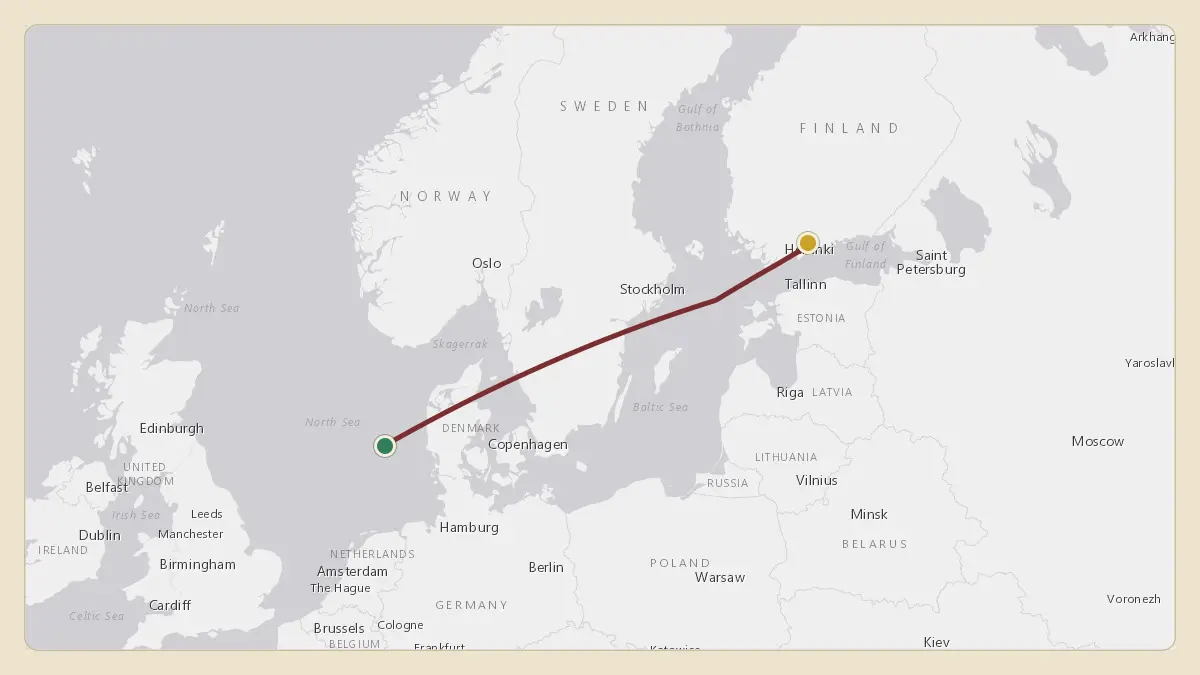
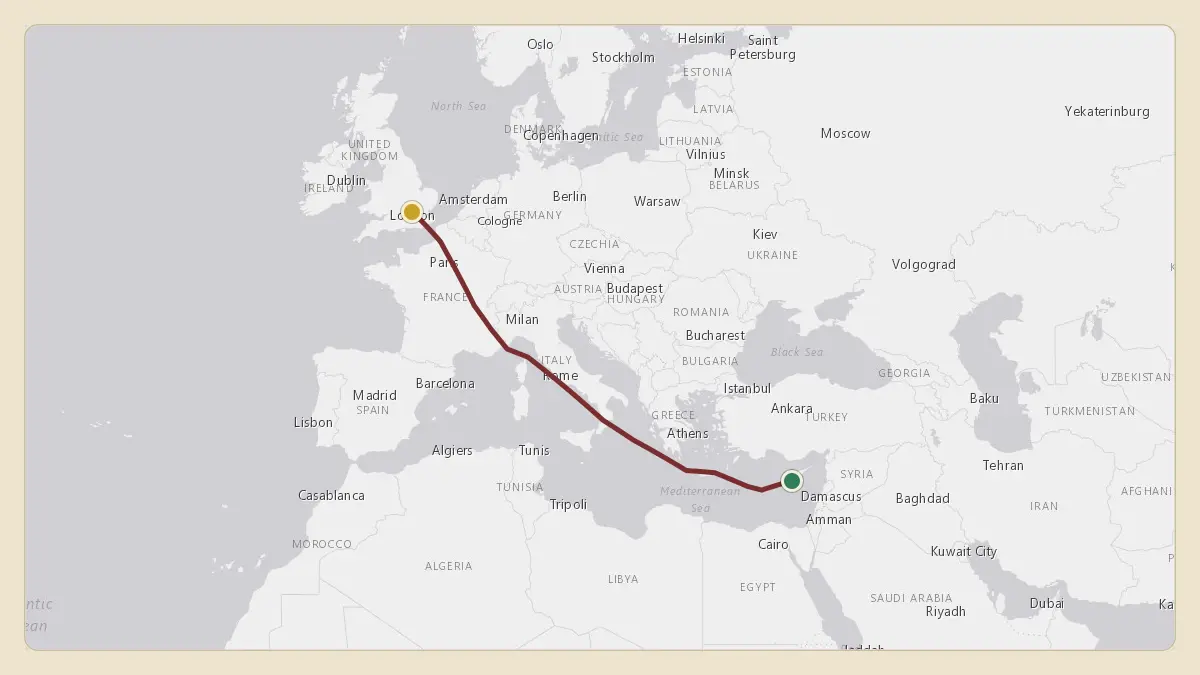
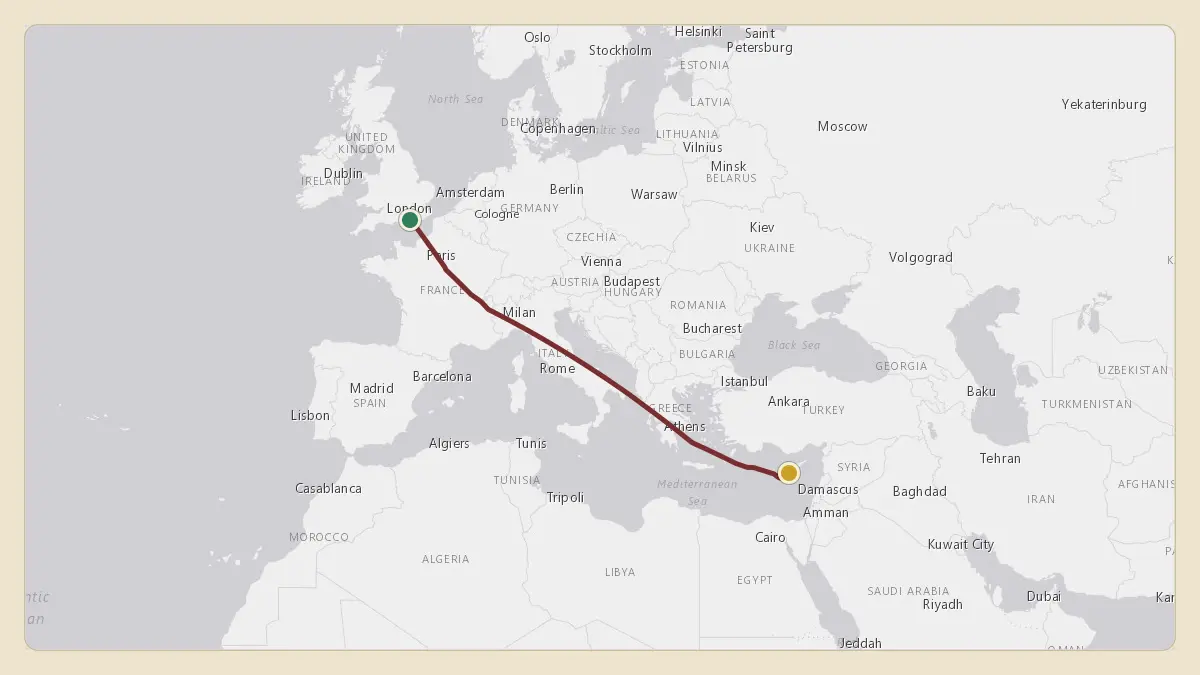
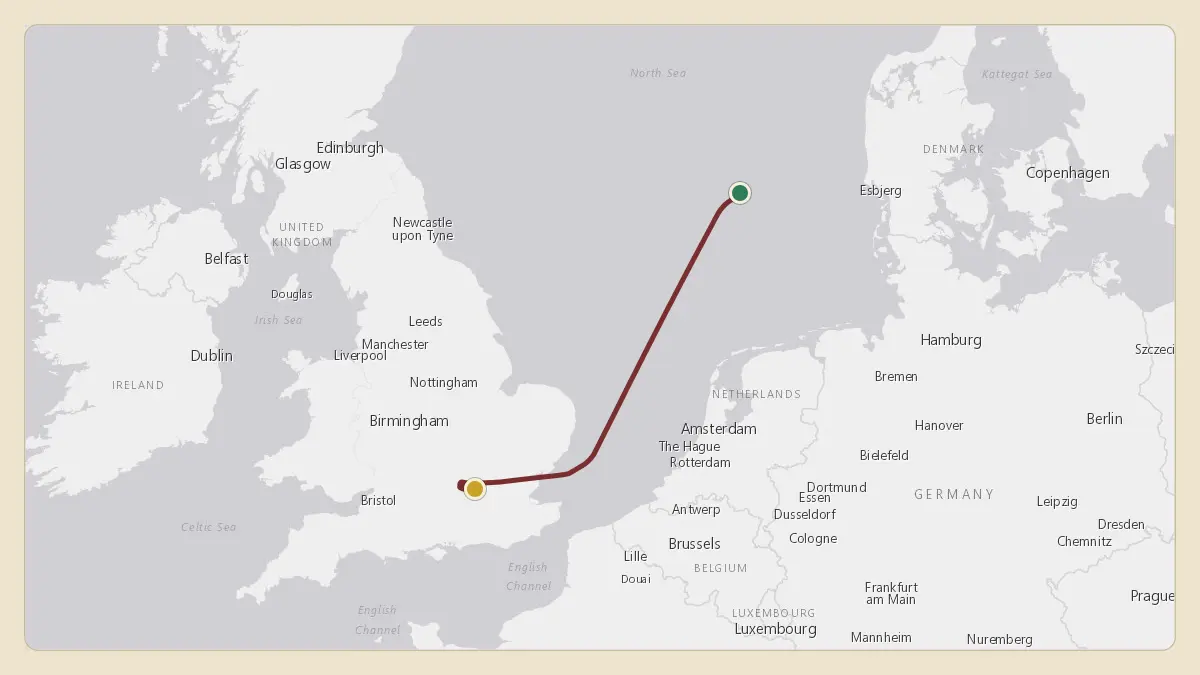
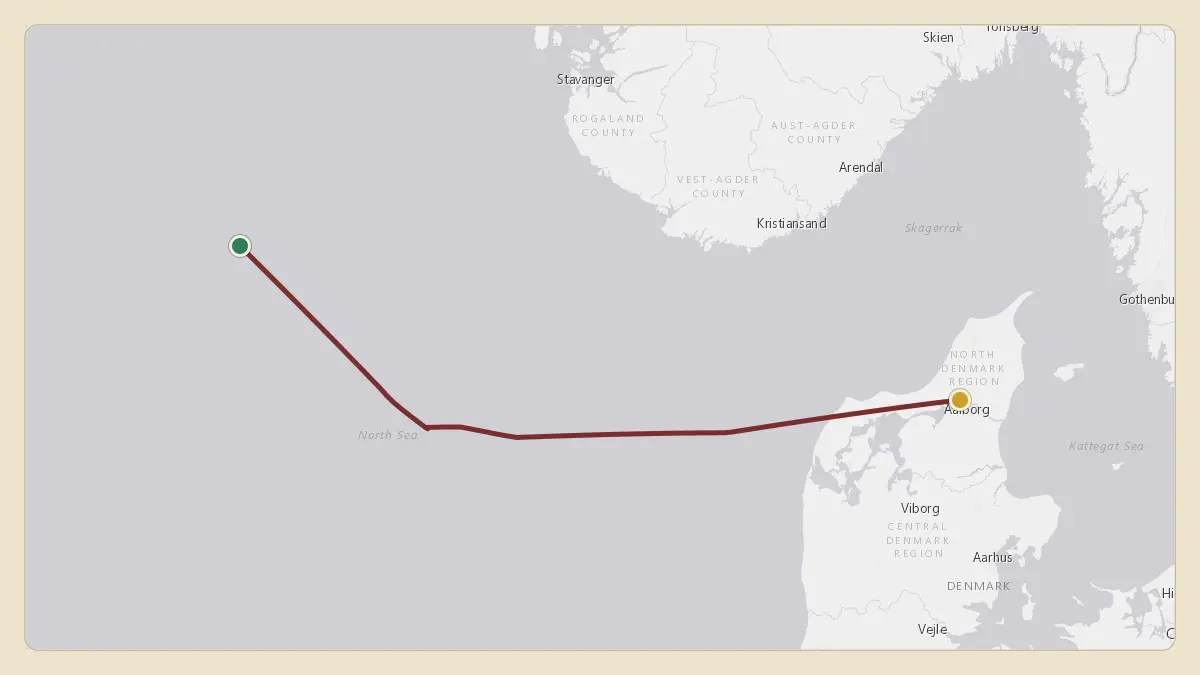
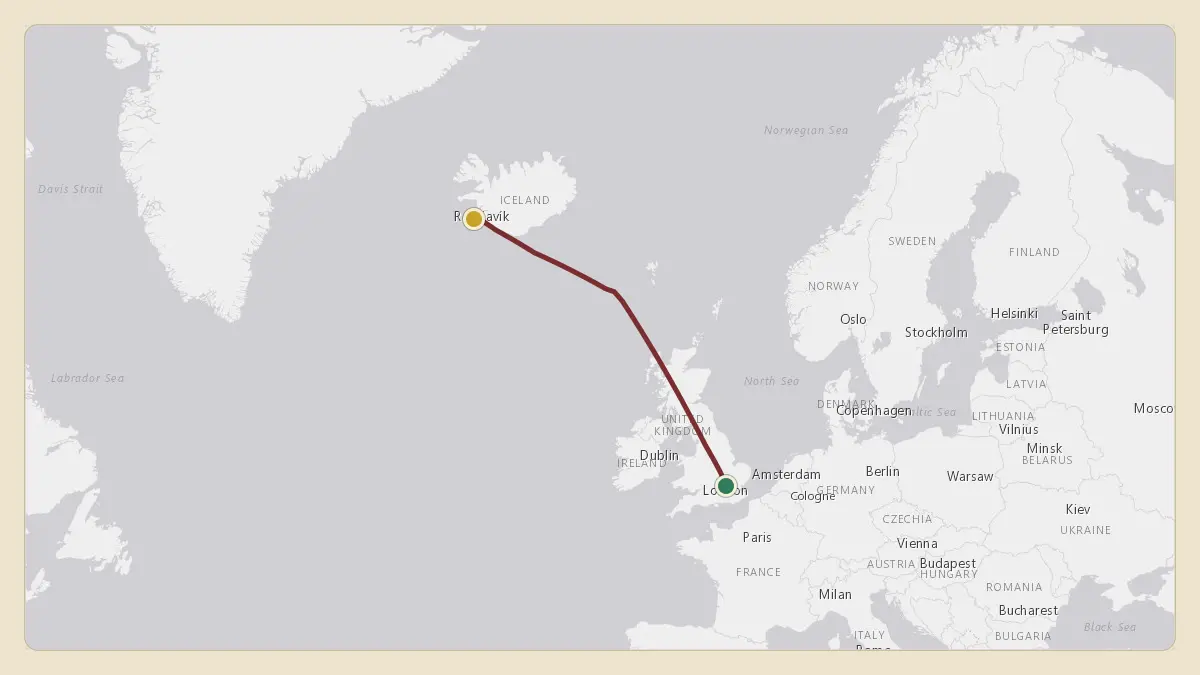
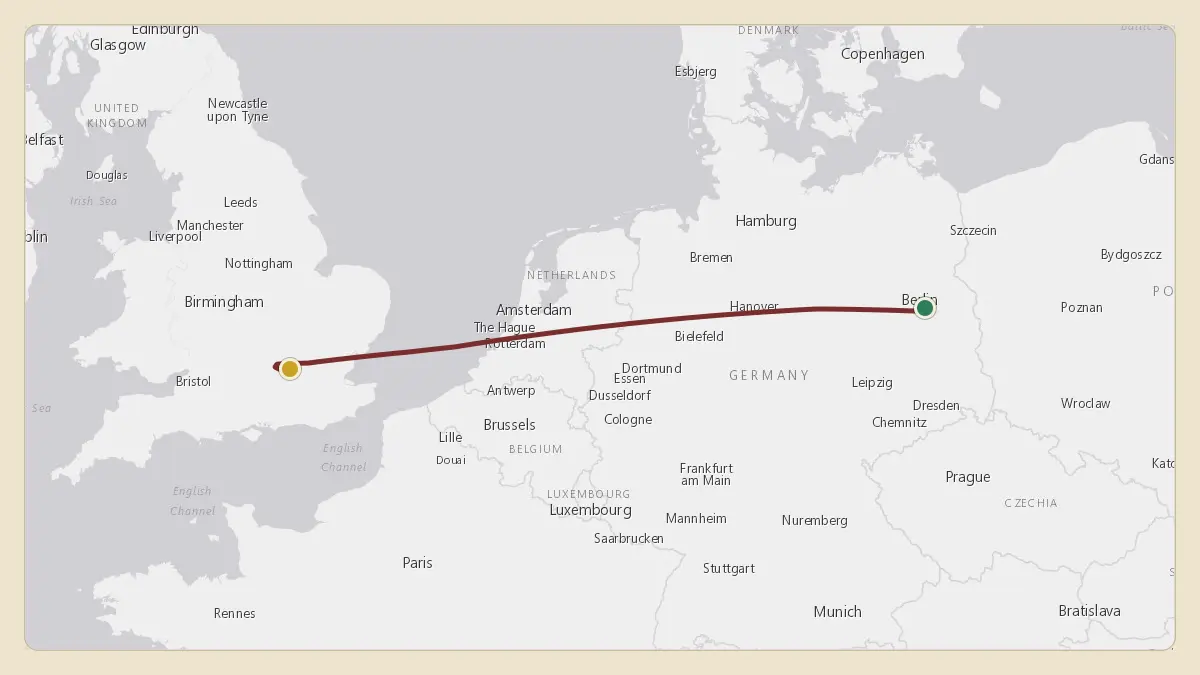
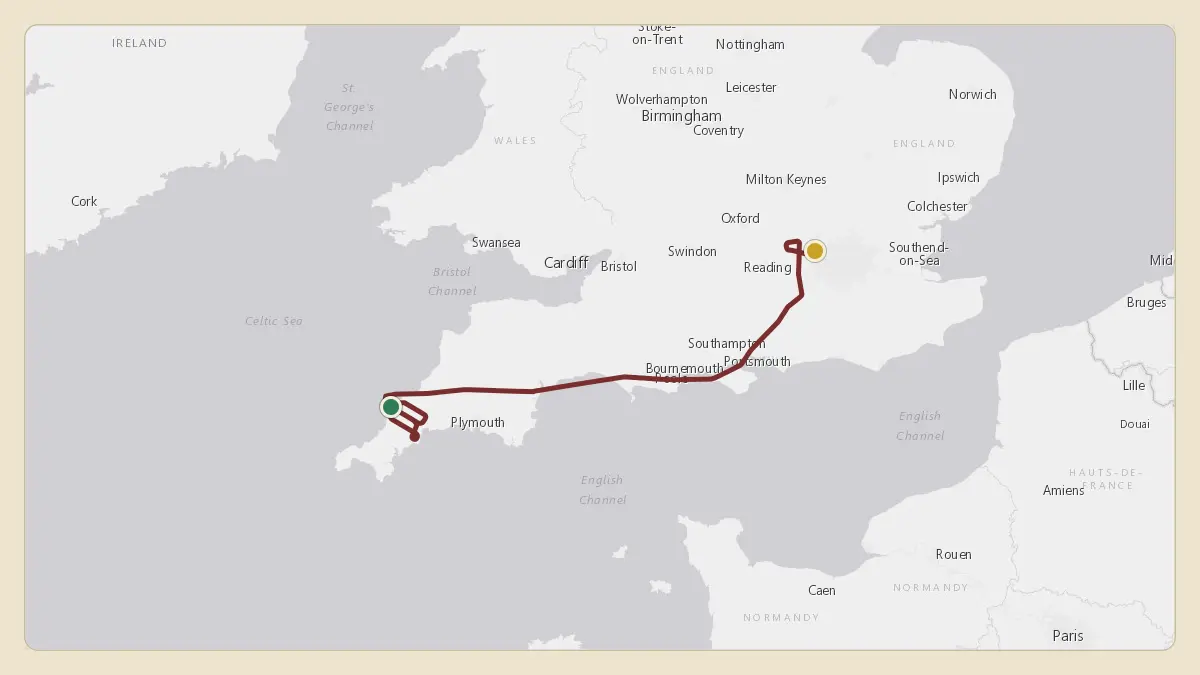
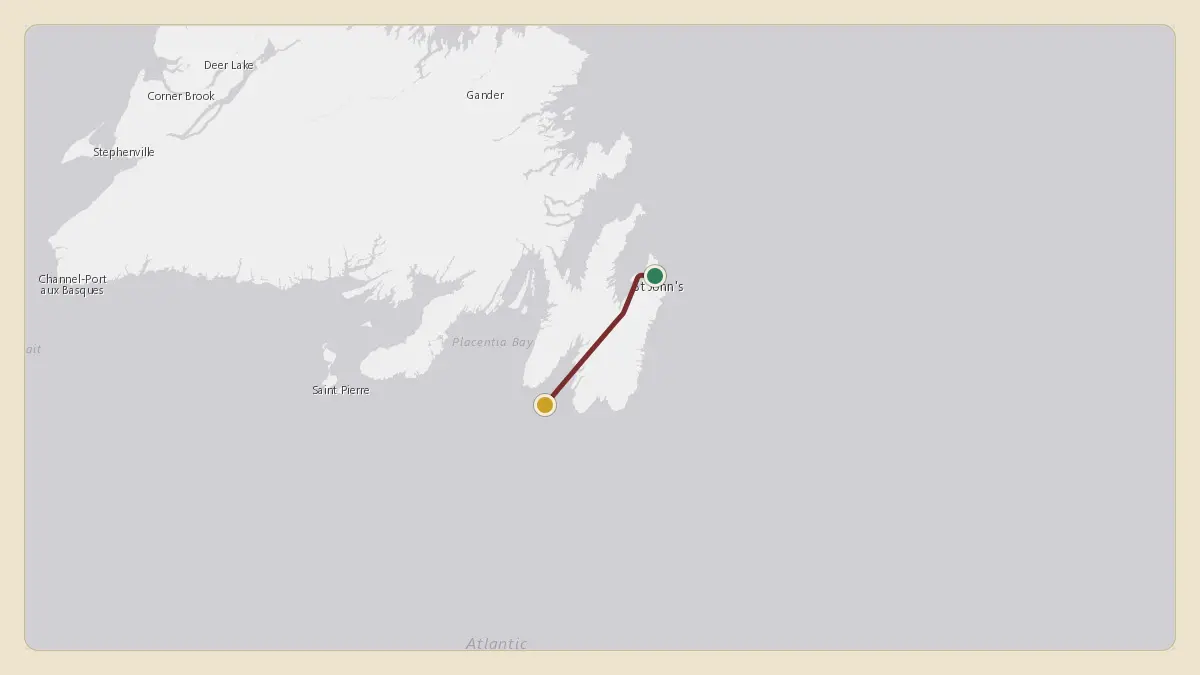
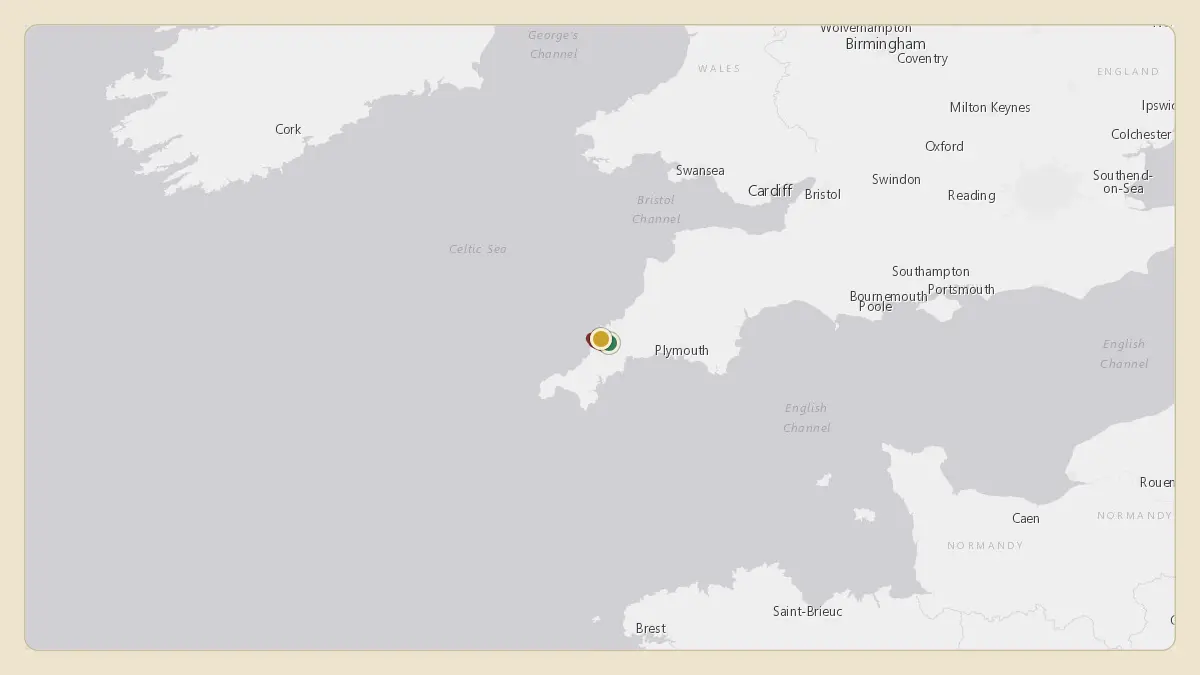
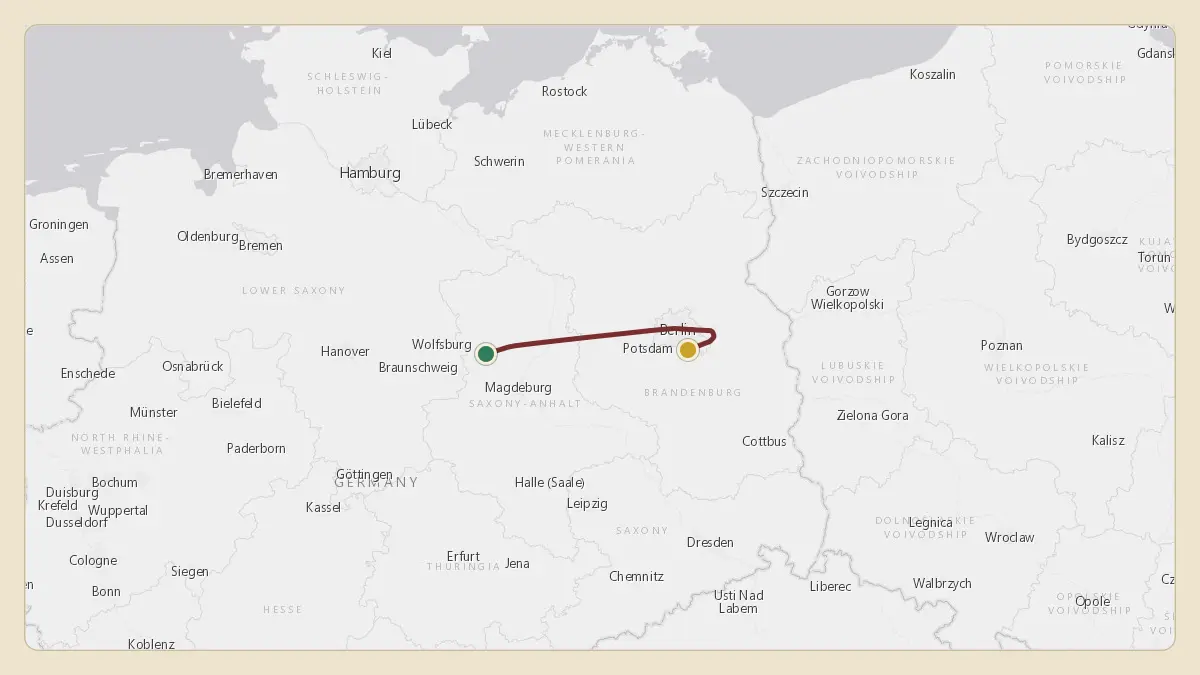
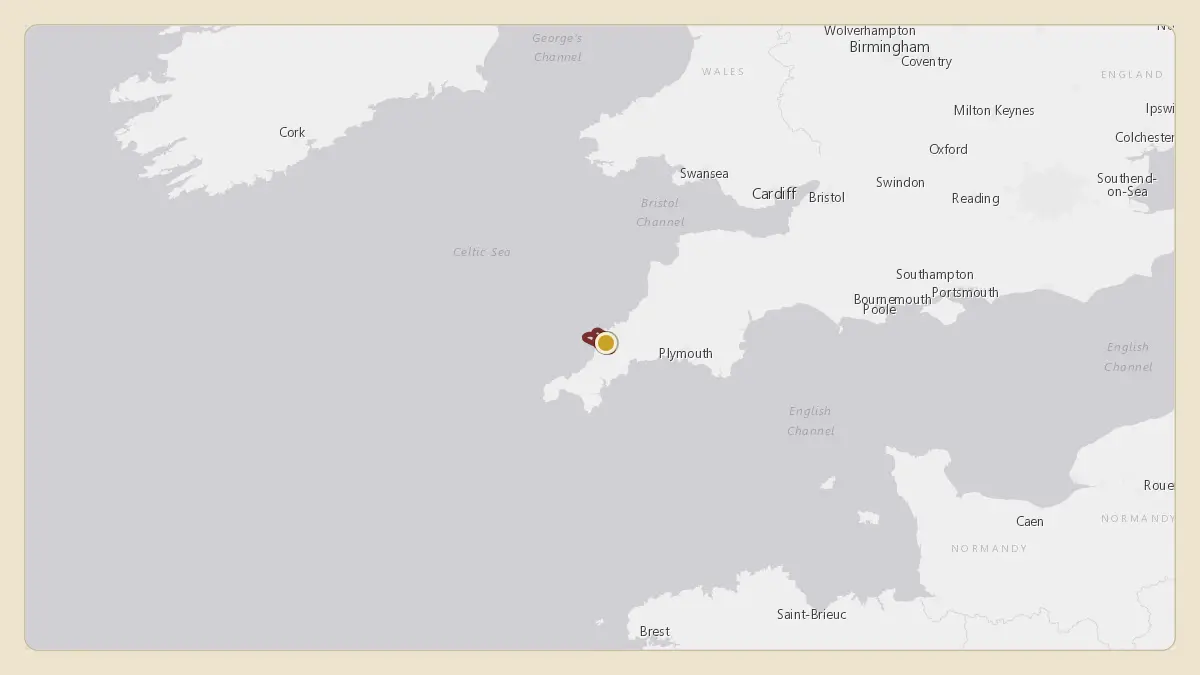
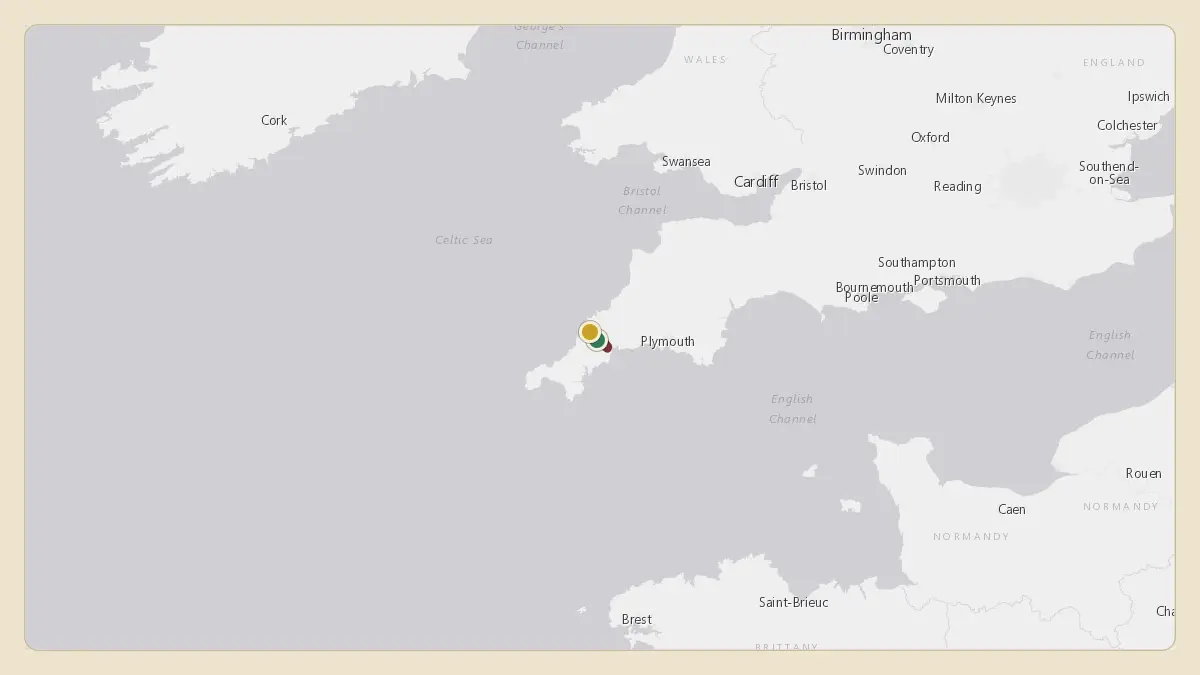
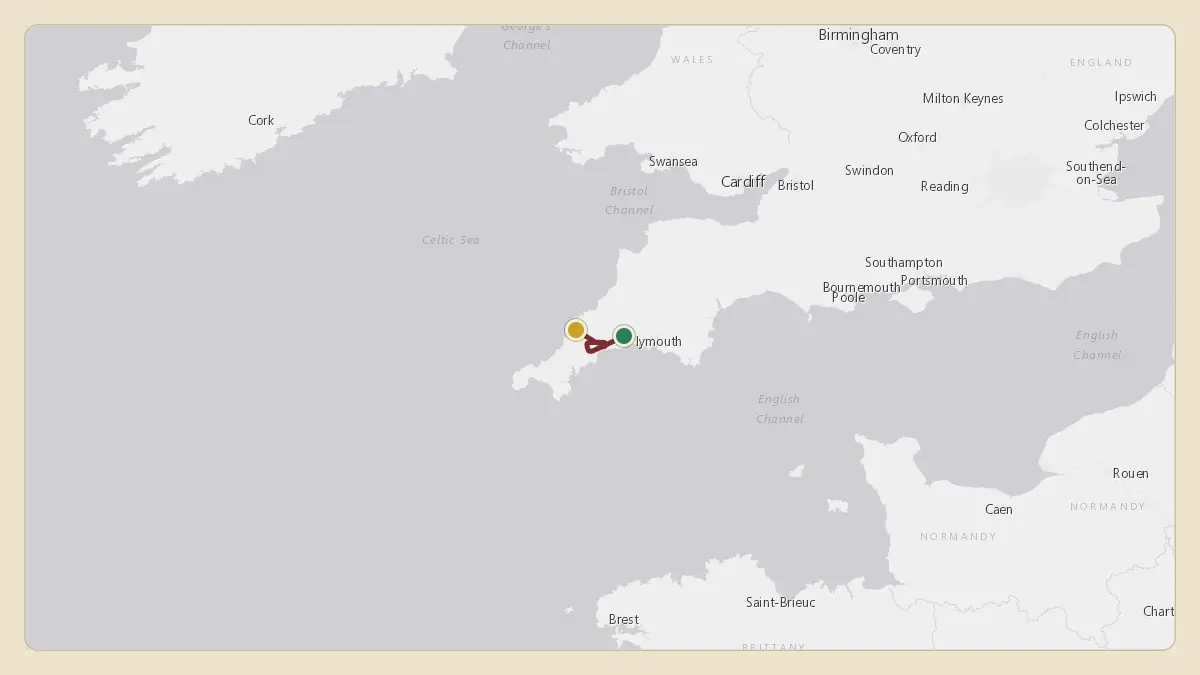
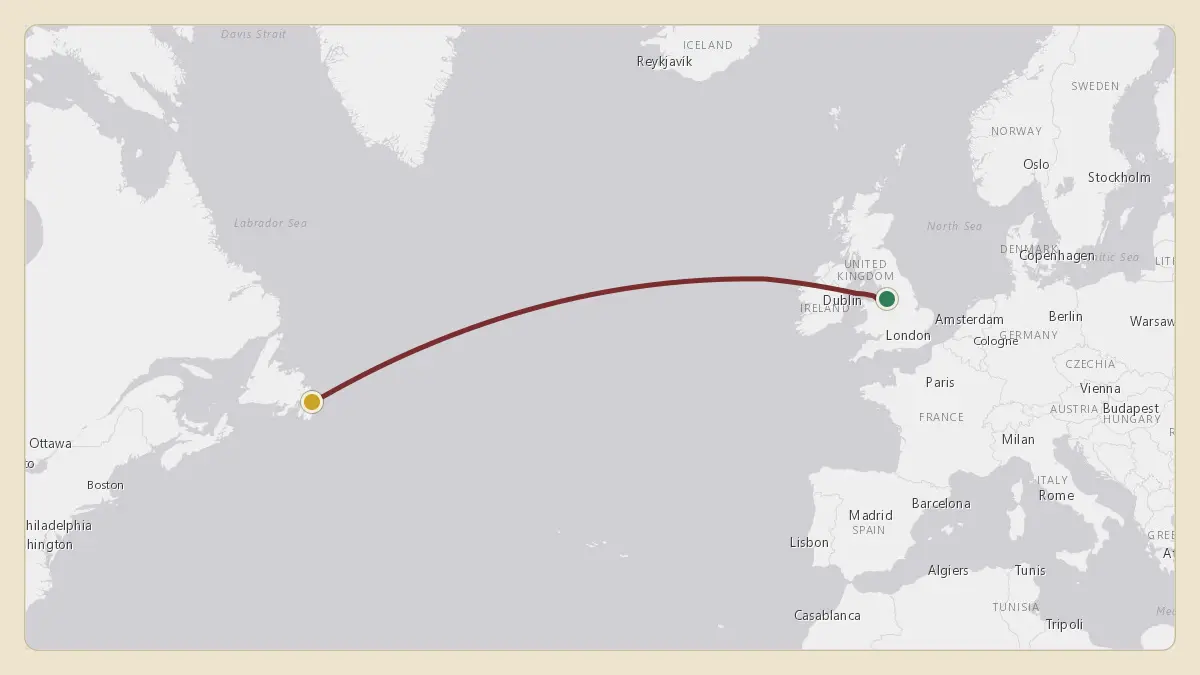
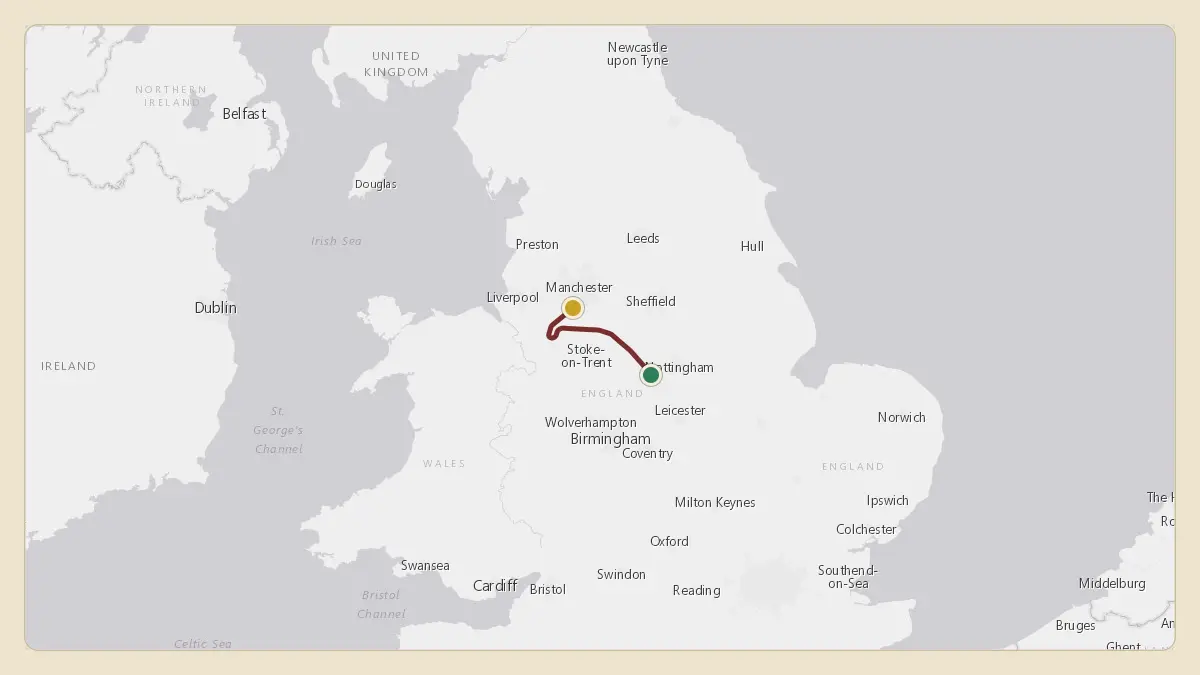
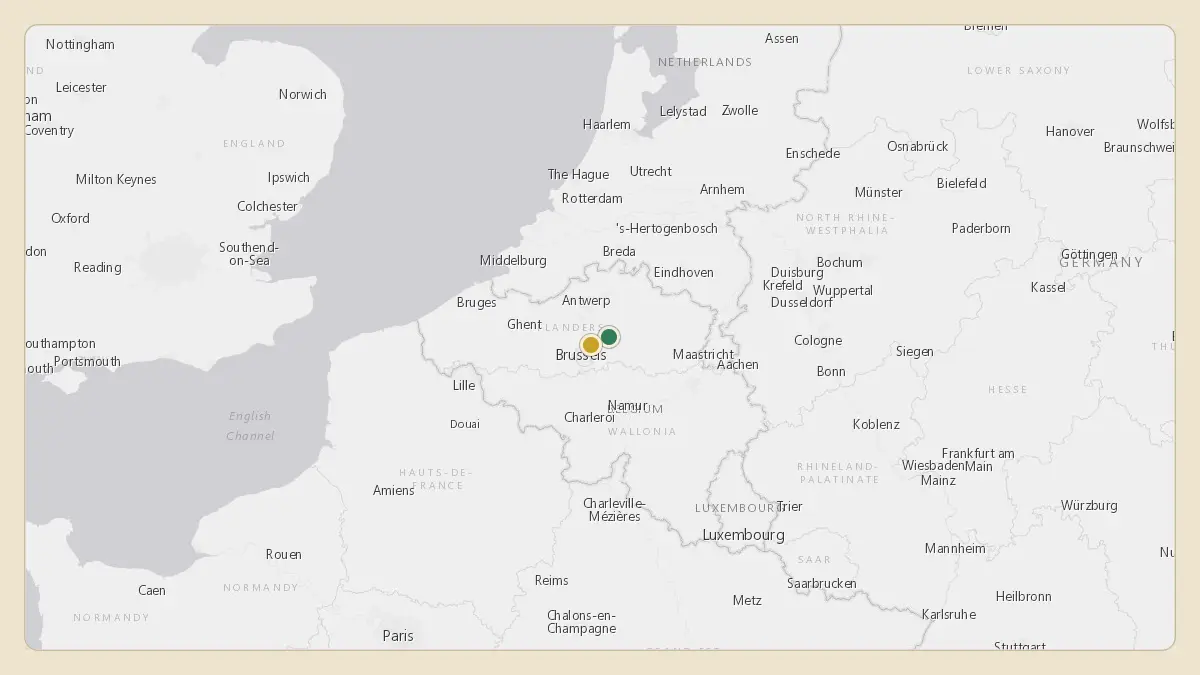
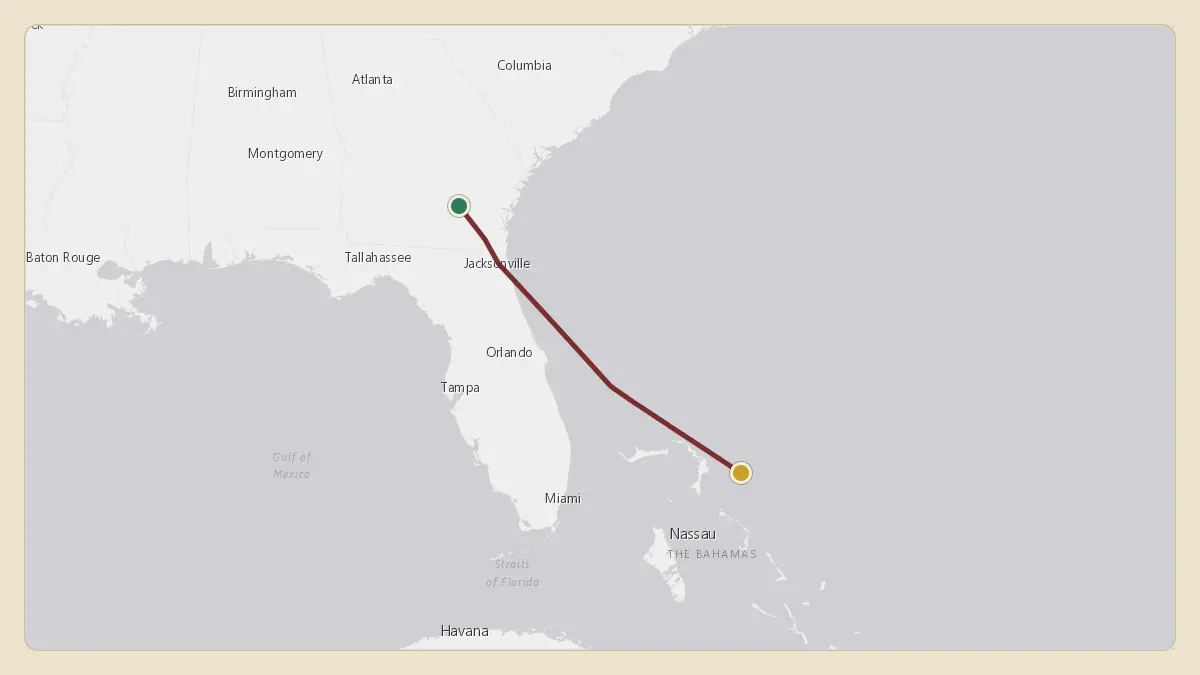
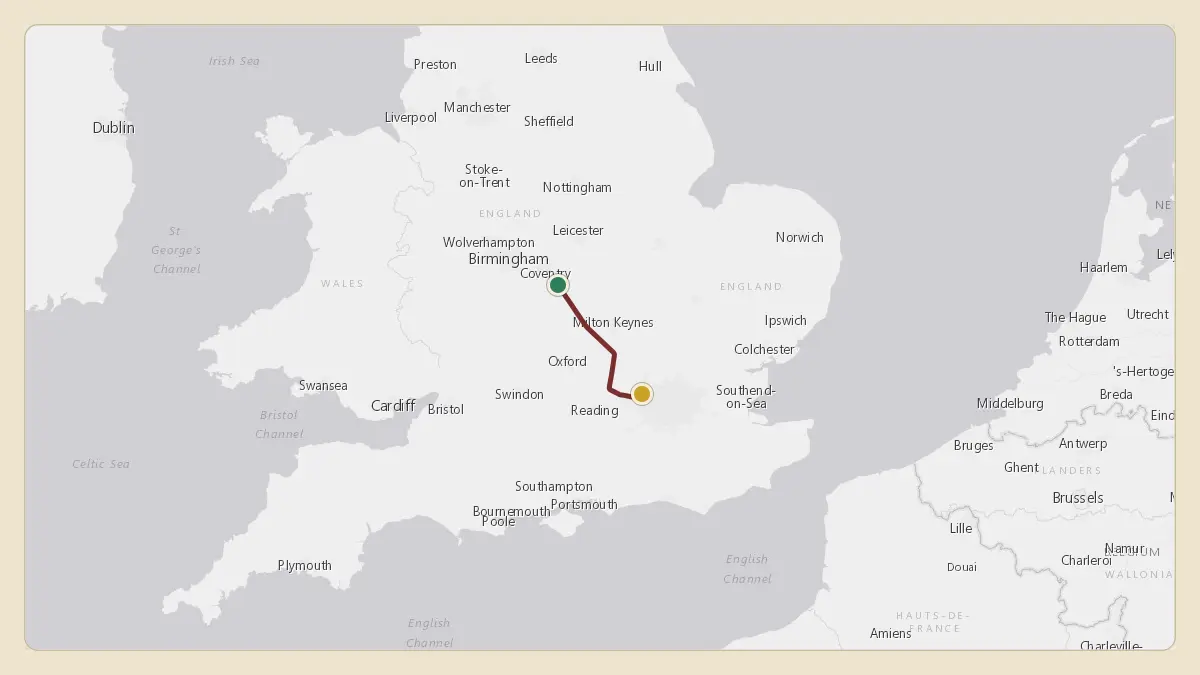
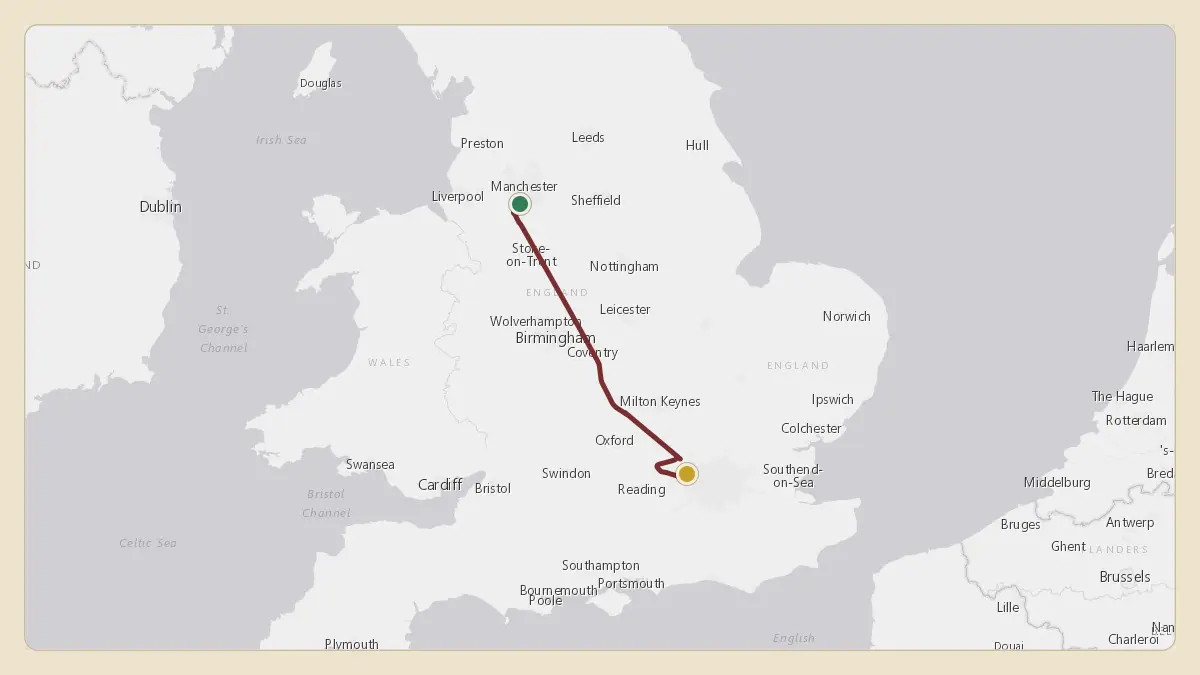
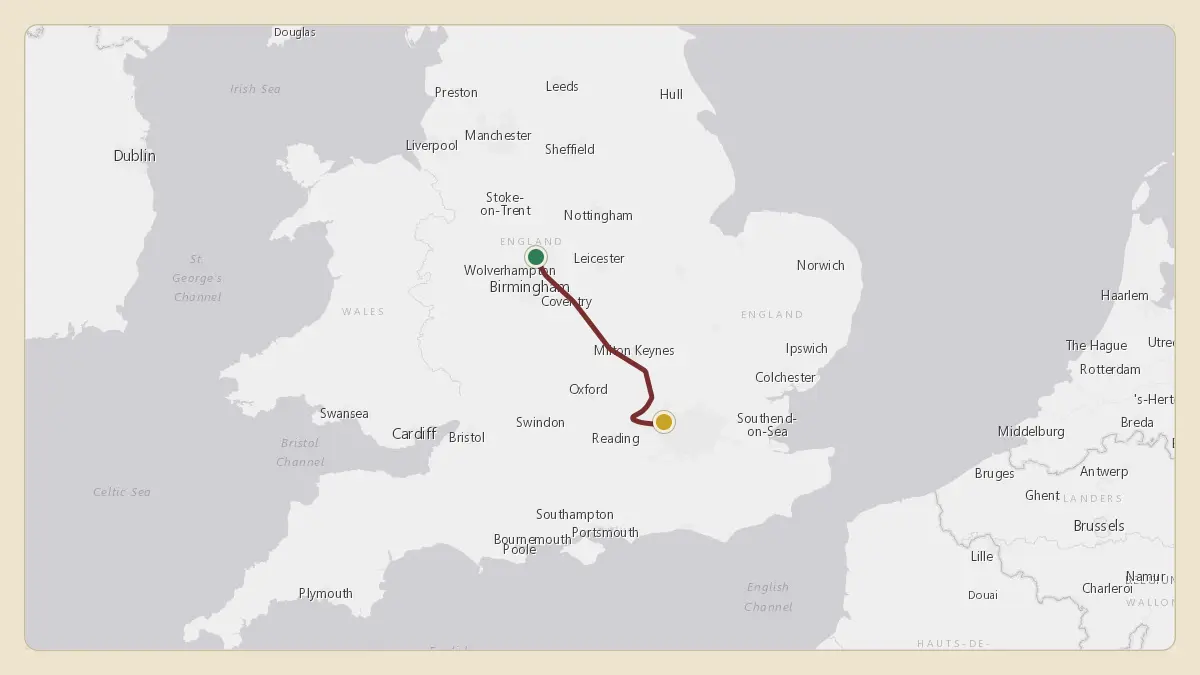
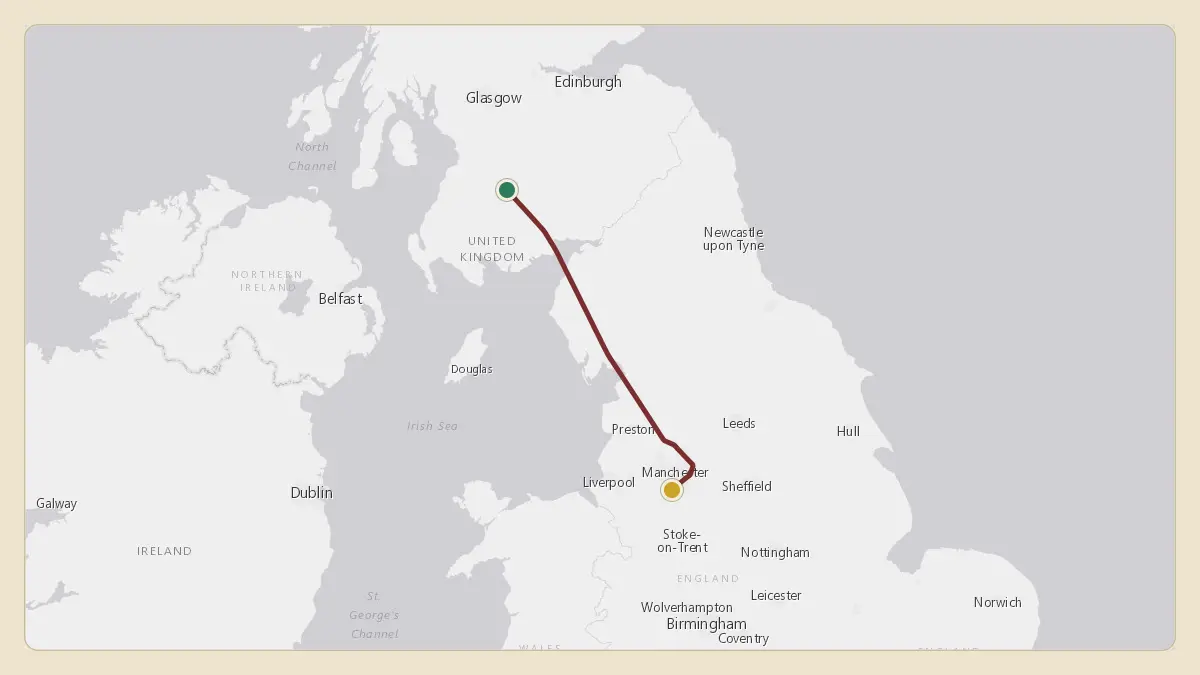
These 6 reports each cover one recent flight in more detail, newest first.
November 16, 2026
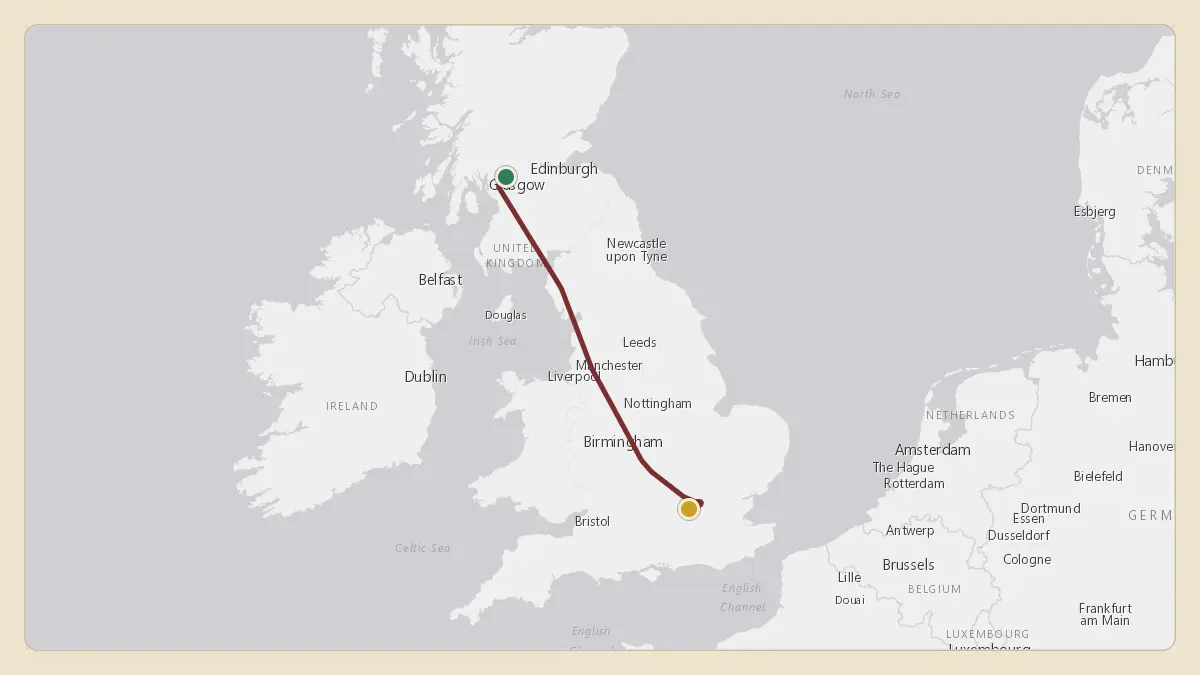
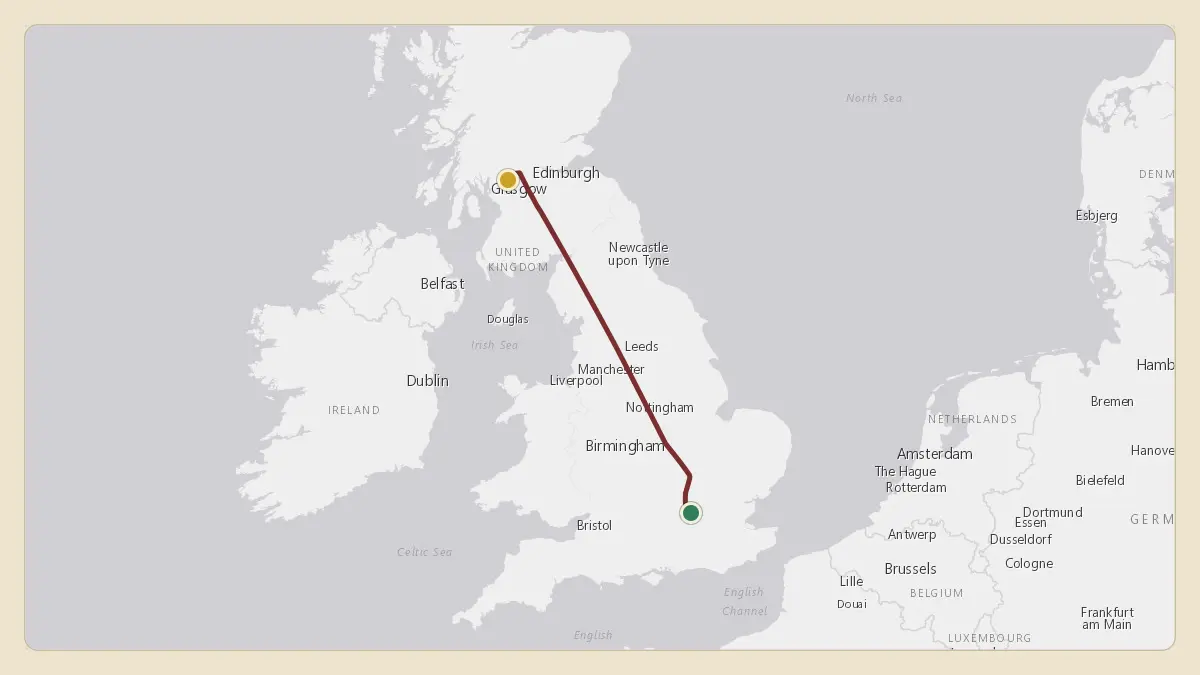
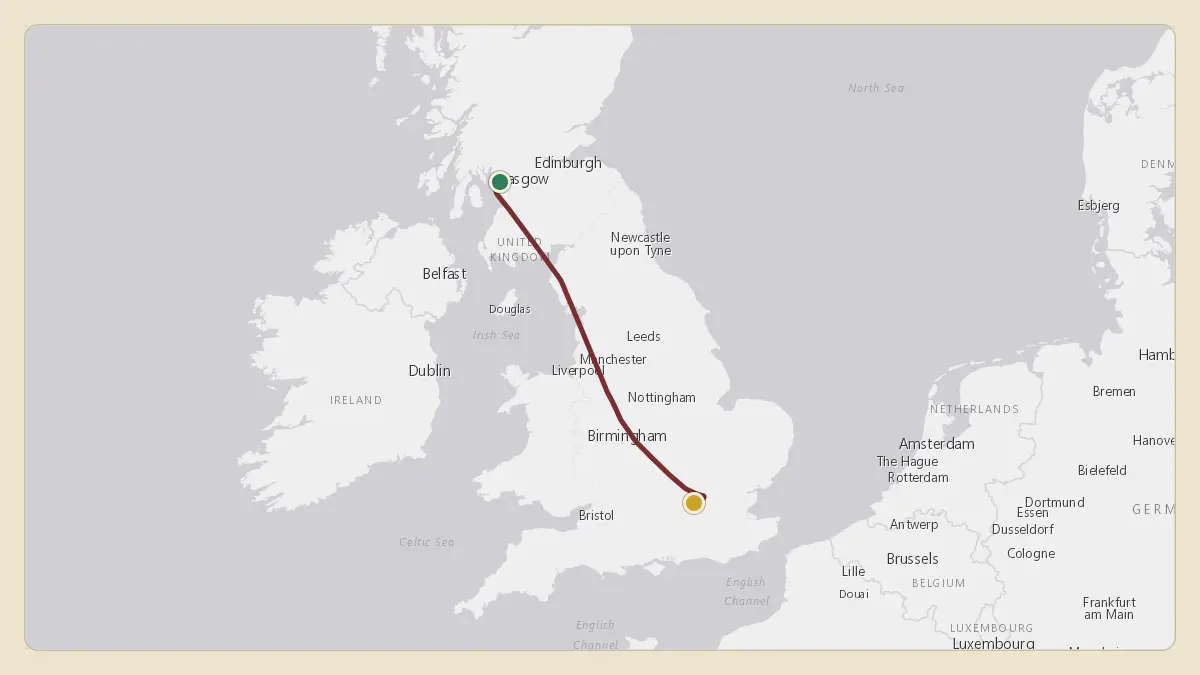
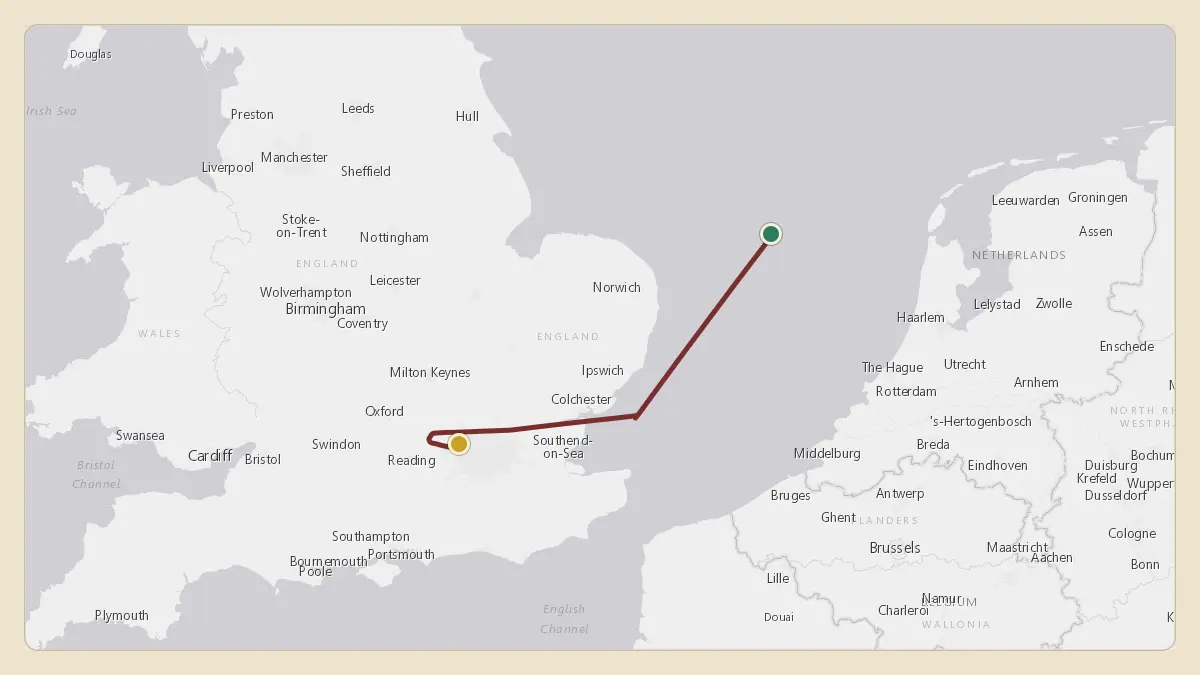
The Dassault Falcon 900LX flew 296 nm from Glasgow to London Heathrow in 54 minutes on November 15, 2026.
November 13, 2026
The Dassault Falcon 900LX landed at London Heathrow on November 12, 2026, after a 25-minute flight from RAF Northolt.
November 13, 2026
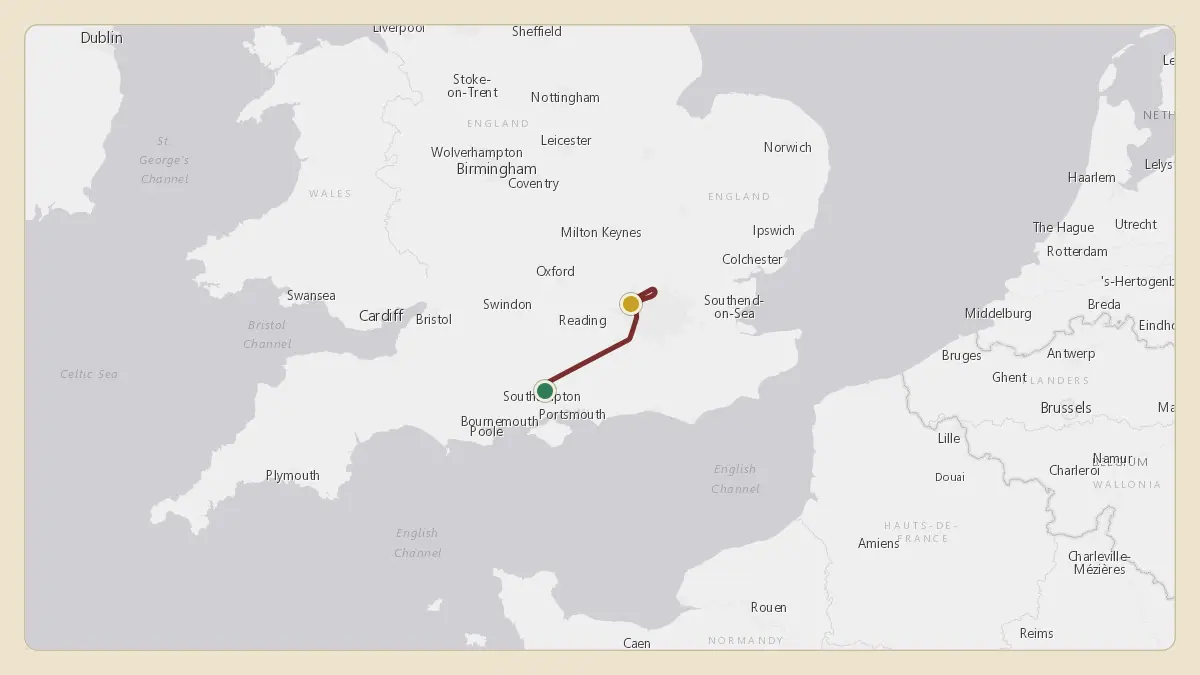
The Dassault Falcon 900LX landed at London Heathrow on November 12, 2026, after a 28-minute flight from Southampton Airport.
November 13, 2026
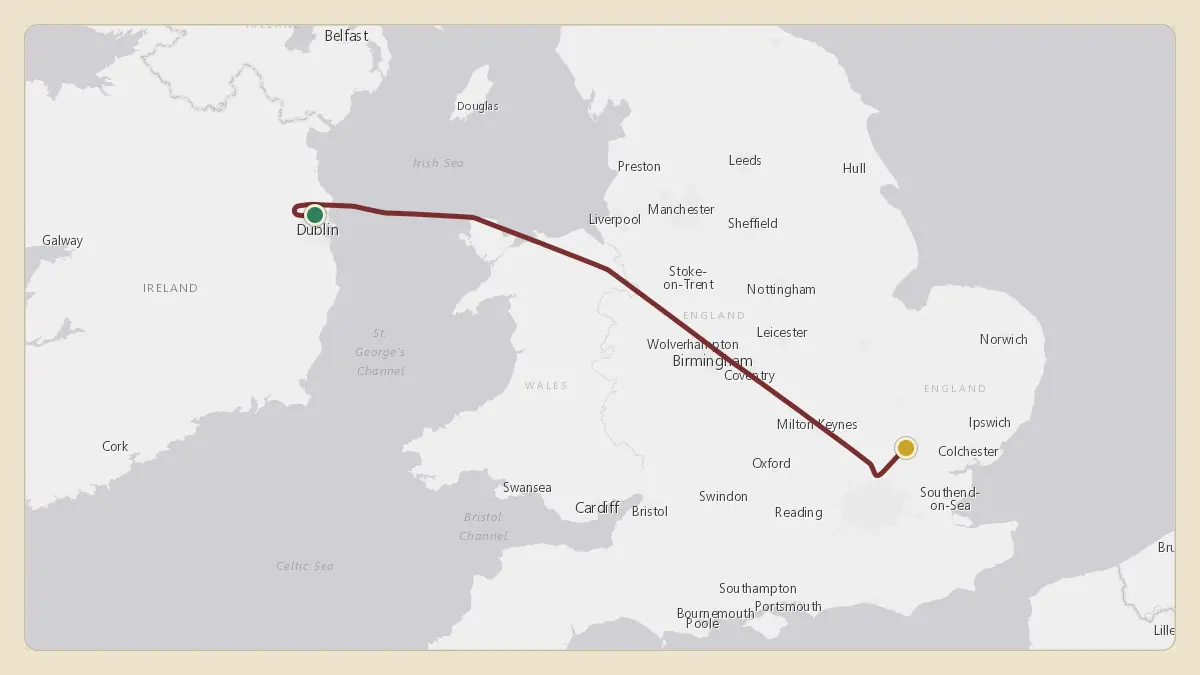
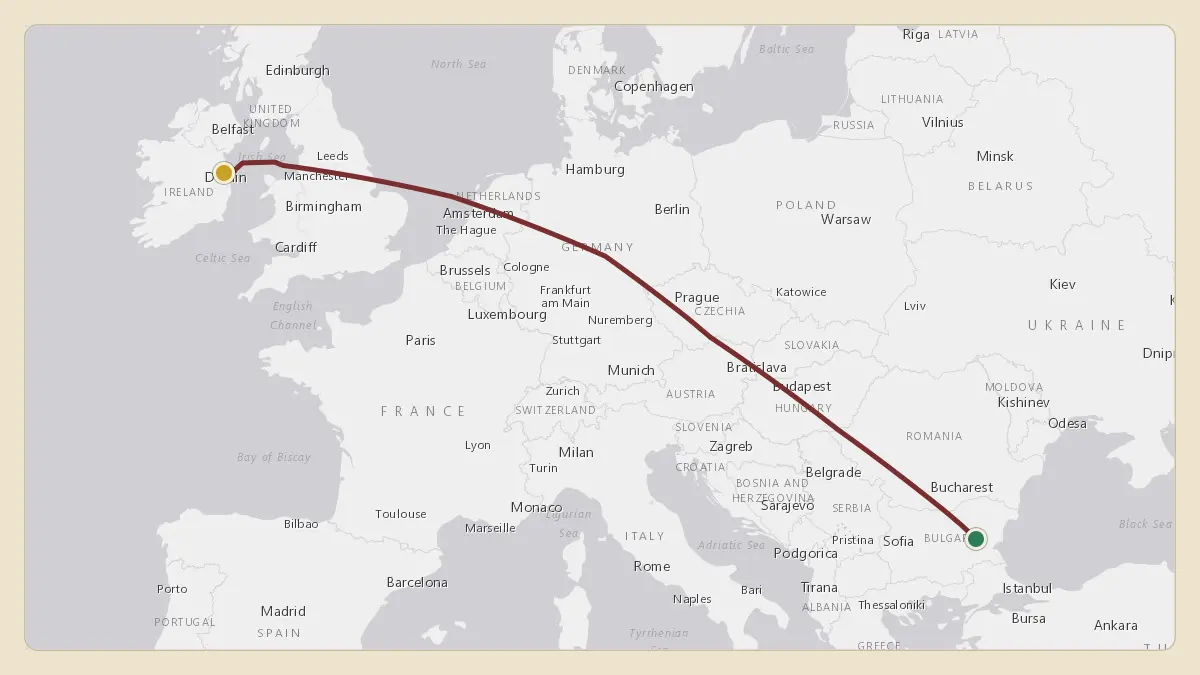
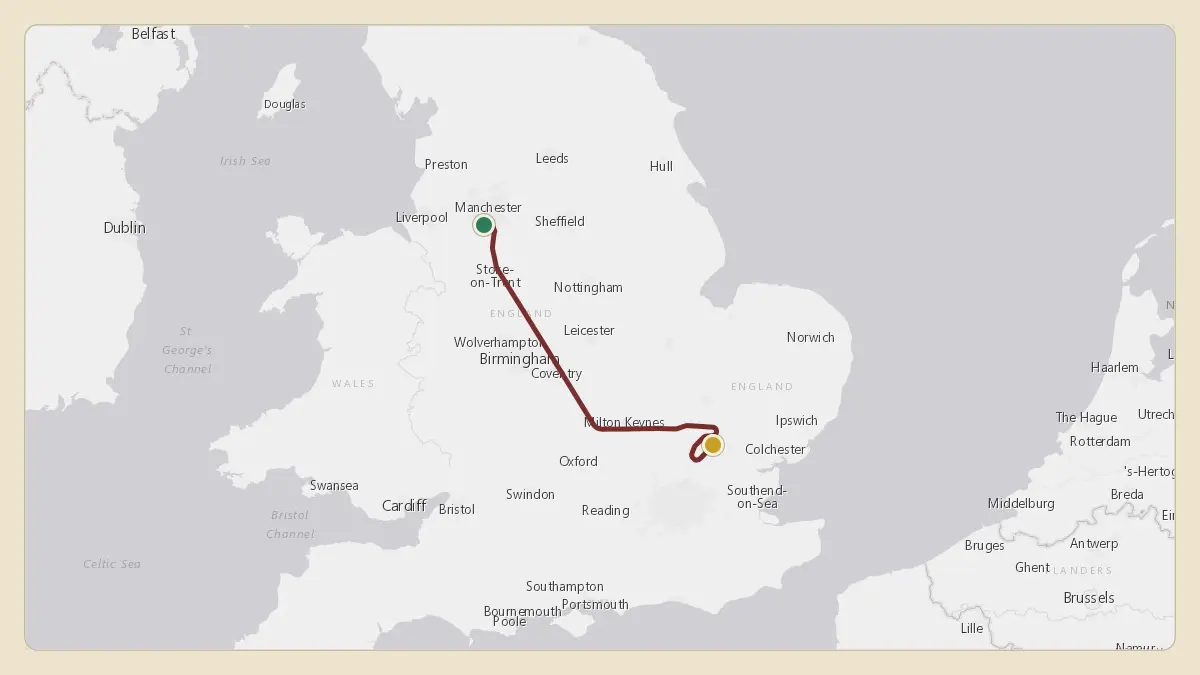
The aircraft landed at London Stansted Airport on November 12, 2026, after a 254 nm hop from Dublin.
November 11, 2026
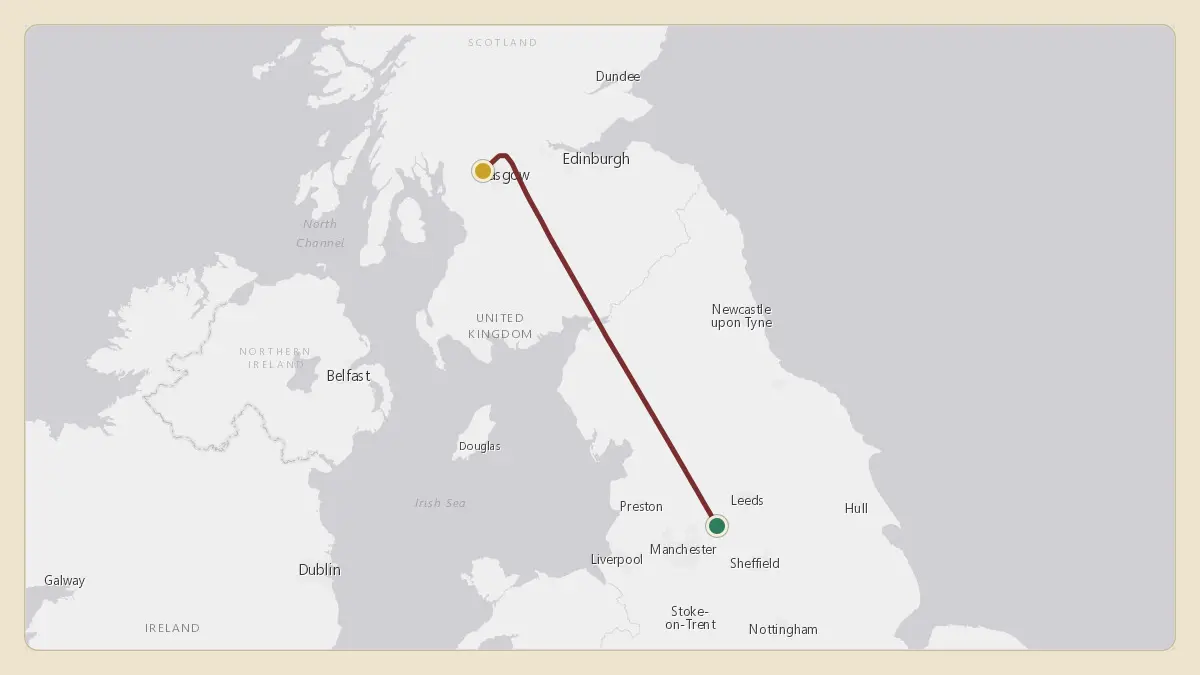
The Dassault Falcon 900LX landed at London Heathrow on November 10, 2026, after a 1 hour 38 minute flight from RAF Northolt.
November 8, 2026
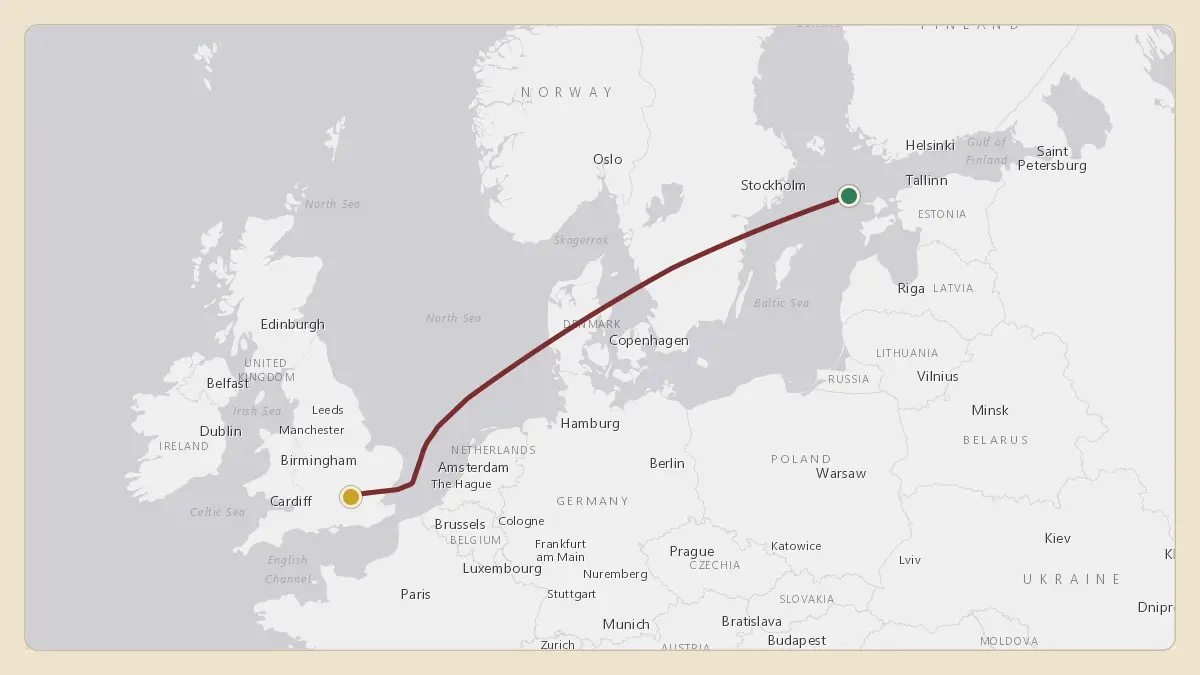
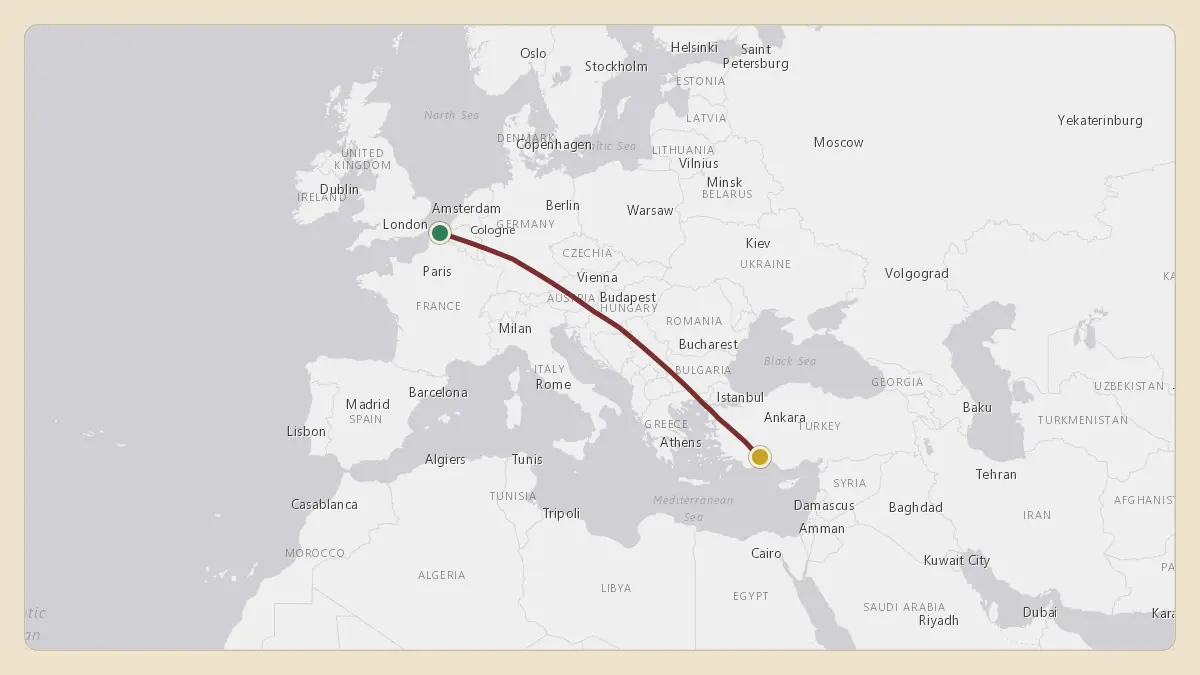
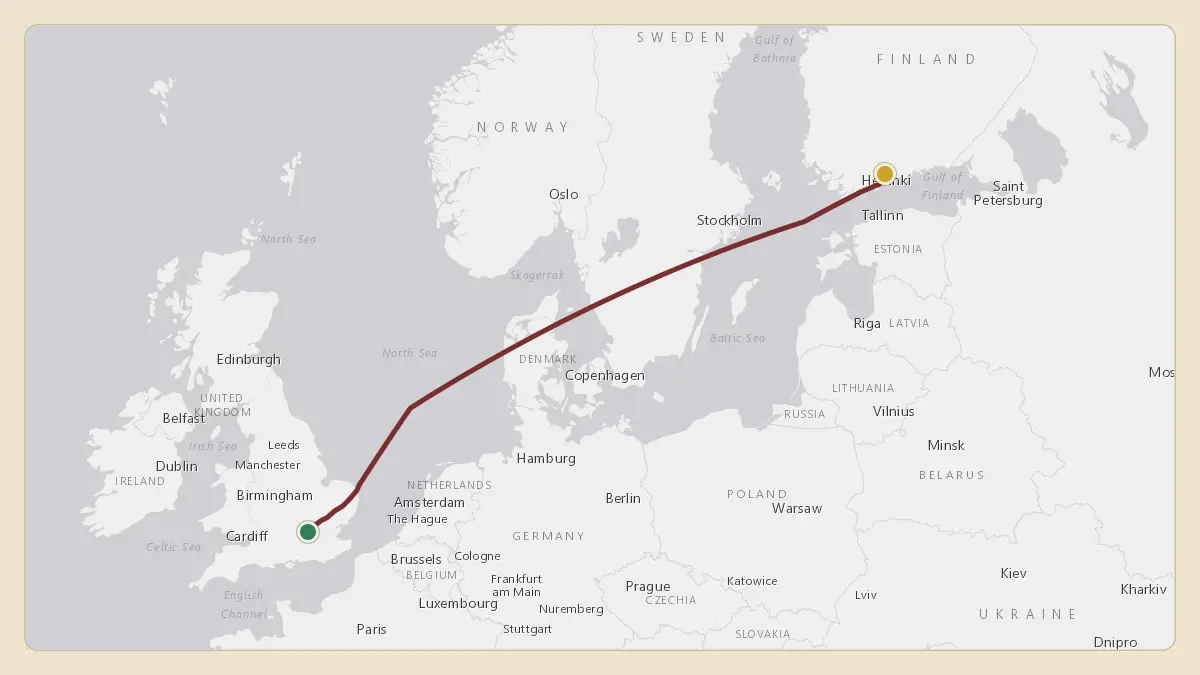
The Dassault Falcon 900LX G-ZABH flew 993 nm from Helsinki Vantaa to London Heathrow in 2 hours 50 minutes.
Owner matches come from the FAA registry, adsb.lol (ODbL) and ADSB.fi data, and SEC filings. They may be incomplete or out of date. Methodology · Report an error. For observational use only.
We do not see it in the air right now. The last flight we tracked for UK Government / Royal Flight's Dassault Falcon 900LX (G-ZABH) landed at London Heathrow Airport (EGLL) on November 20, 2026. Follow it on the live jet tracker map.
The map shows where UK Government / Royal Flight's planes have flown. Each dot is a recorded position.
UK Government / Royal Flight flies these planes: Airbus A321-200NX and Dassault Falcon 900LX. The tail numbers are G-GBNI, G-ZABH and G-ZAHS. You can track each one live on this page, along with its flight history and CO₂.
UK Government / Royal Flight flies an Airbus A321-200NX, tail number G-GBNI. It is an airliner. We also track 2 more planes on this page: Dassault Falcon 900LX (G-ZABH) and Dassault Falcon 900LX (G-ZAHS).
UK Government / Royal Flight's planes have these tail numbers: G-GBNI (Airbus A321-200NX), G-ZABH (Dassault Falcon 900LX), G-ZAHS (Dassault Falcon 900LX). Each tail number links to a live tracking page. There you can see the plane's flight history, fuel burn and CO₂.
About 2,690 kg for every hour in the air. UK Government / Royal Flight's Airbus A321-200NX (G-GBNI) burns roughly 280 gallons of jet fuel an hour. That is about the same CO₂ as driving an average car 6,658 miles.
UK Government / Royal Flight's home airport is RAF Northolt (London) (EGWU / NHT). Frequent stops include EGLL, LFPB, KJFK and EBBR.
About 195.3 metric tons of CO₂ over 50 tracked flights and 76 hours in the air. We start with the flight times from public ADS-B data. We multiply each hour by the maker's fuel burn figure. Then we apply the EPA standard of 9.57 kg of CO₂ per gallon of jet fuel.
Yes. The FAA requires planes with transponders to broadcast their position over ADS-B, and the signal is not encrypted. We collect that public data from adsb.lol and ADSB.fi, two open flight-tracking networks. News outlets and university researchers use the same kind of data. Our methodology page explains how it works.