Loading article
§A · Dispatch · Landing
Shell's Falcon 7X lands in southern India the week conflict-driven profits double
If aboard, the timing lines up with Shell's surging half-year results amid Iran-war oil-price upheaval — and a supply-chain push into India.
By celebplanes · 2 min read · Shell

Shell
Listen — voice briefing0:28
0:00-0:28
Departure
EHRD — Rotterdam The Hague
Arrival
YPPD — Port Hedland
Airborne
17h 53m
Distance
7,602 nm
CO₂
48.1t
Shell's Dassault Falcon 7X, VQ-BXH, was tracked departing Rotterdam The Hague Airport on the afternoon of August 18 and touching down at Tiruchirappalli International Airport in southern India nine hours and twenty-six minutes later, just after midnight local time on August 19. The aircraft climbed to 41,025 feet and reached a top ground speed of 585 knots on the routing. As always, Celebplanes tracks the movement of the registered aircraft, not the individuals who may or may not have been aboard.
If Shell executives were on this flight, they would have arrived in India the same week the company announced that second-quarter profits more than doubled to $9.84 billion, driven by the Iran-war spike in crude prices and turmoil in LNG supply through the Strait of Hormuz. Per a BBC report published July 30, Shell's half-year earnings surged 70 percent, even as its Qatar gas production remained shut and the Pearl facility suffered extensive missile damage. Tiruchirappalli is not a routine energy-hub stop; it sits in Tamil Nadu, a state where Shell operates a major lubricants blending plant and a technology center that has been expanding its Indian workforce.
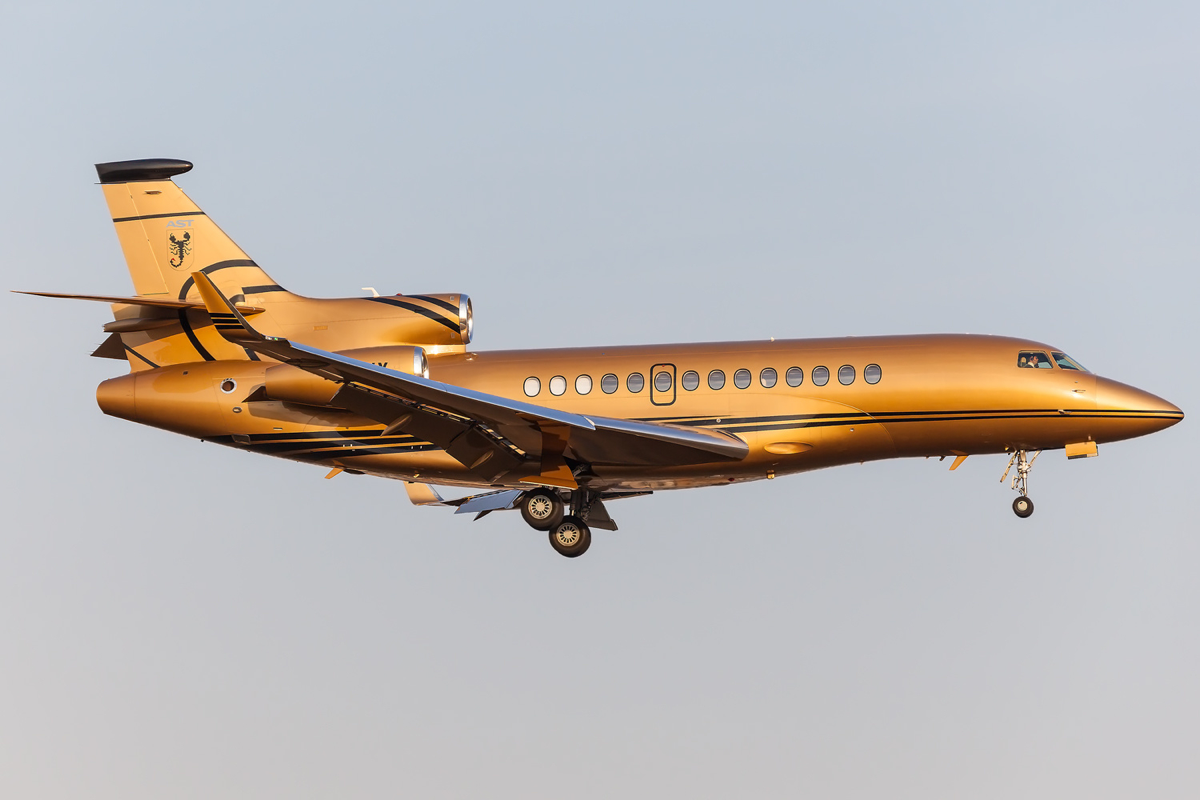
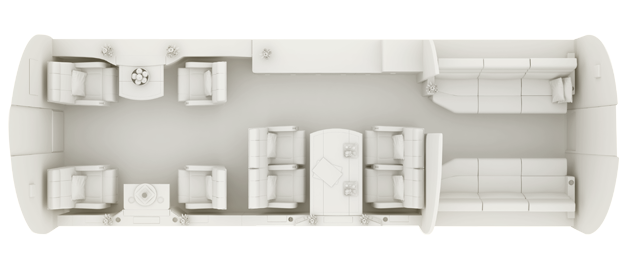
Aboard the Dassault Falcon 7X
The aircraft
Type
Dassault Falcon 7X
Tail
VQ-BXH
Max alt
41,025 ft
Max speed
586 kt
End of article · celebplanes