Loading article
§A · Dispatch · Landing
Shell's Falcon 7X lands at Ras Tanura as oil profits double amid Iran war
If aboard, the timing would align with the aftermath of Shell's quarterly earnings release and ongoing Middle East operations disruption.
By celebplanes · 2 min read · Shell

Shell
Listen — voice briefing0:36
0:00-0:36
Departure
-27.69°, 153.86°
Arrival
EBBR — Brussels
Airborne
21h 47m
Distance
8,846 nm
CO₂
58.6t
Shell's Dassault Falcon 7X, registration VQ-BXH, was tracked flying from a position off the coast of eastern Australia to Ras Tanura Airport in Saudi Arabia on August 25, 2026. The 15-hour, 37-minute flight crossed the Indian Ocean and landed at the airport serving the Ras Tanura oil terminal, a critical Shell facility on the Persian Gulf.
If aboard, Shell executives would arrive in Saudi Arabia the same week the company reported a dramatic surge in earnings. Per a BBC report published July 30, 2026, Shell's second-quarter profits more than doubled to $9.84 billion, driven by rising oil prices following the outbreak of the US-Israel war with Iran. The conflict has caused major disruption to global oil supplies through the Strait of Hormuz and forced Shell to shut down its LNG production in Qatar, sustaining extensive damage at its Pearl gas-to-liquids facility there from a March missile strike.
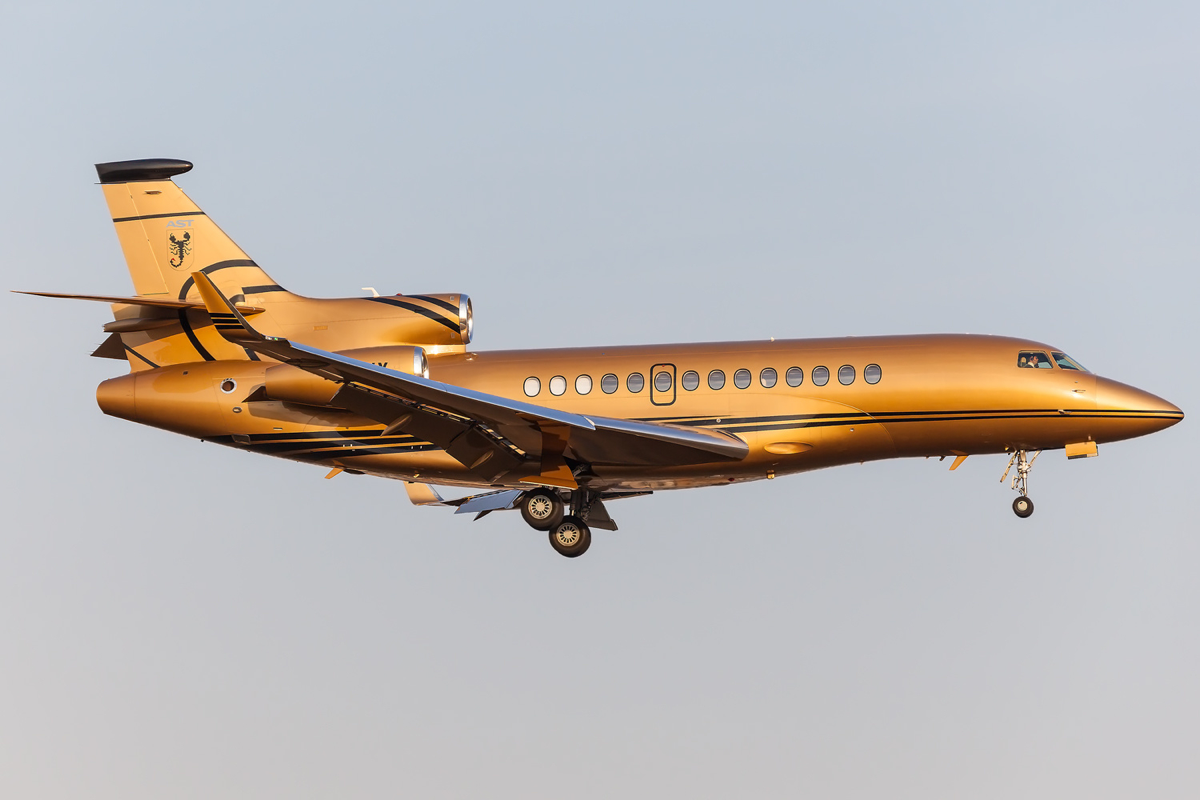
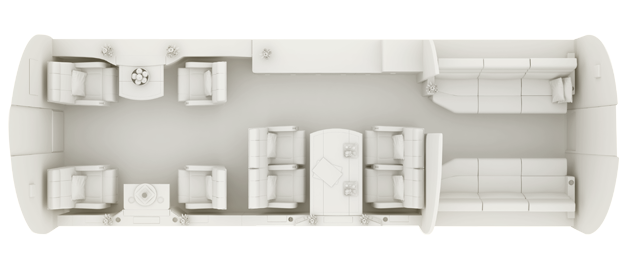
Ras Tanura is not a routine Shell destination—the company's corporate aviation arm, Shell Aircraft International, is based at Rotterdam The Hague Airport, and recent tracked flights have shuttled between European hubs like London Luton, Rotterdam, and Aberdeen, with one trip to Bou Saada, Algeria in late July. The flight from Australia suggests a longer strategic journey, possibly related to assessing regional operations or coordinating the company's response to the ongoing conflict and its impact on Shell's production profile in the Middle East.
Dassault Falcon 7X exterior and cabin layout
About the aircraft
Type
Dassault Falcon 7X
Tail
VQ-BXH
Max alt
43,000 ft
Max speed
523 kt
End of article · celebplanes