Loading article
§A · Dispatch · Landing
Walmart's Global 7500 returns from Asia to Bentonville as new headquarters anchors operations
If aboard, the flight from Japan caps a two-week Asia tour that lines up with the retailer's international focus and its newly opened 350-acre campus.
By celebplanes · 2 min read · Walmart

Walmart
Departure
RJBB — Kansai
Arrival
KROG — Rogers
Airborne
11h 17m
Distance
5,731 nm
CO₂
48.8t
Walmart's Bombardier Global 7500, tail N392MS, was tracked departing Kansai International Airport near Osaka on September 18 at 15:06 UTC and arriving at Rogers Executive Airport—Carter Field on September 19 at 02:24 UTC, an 11-hour 17-minute transpacific crossing. The aircraft, registered through a trust that keeps Walmart's name off the public registry but plainly identified in spotter databases, had spent the previous week moving through Singapore, India, and Japan—a multi-country arc that suggests a deliberate business itinerary rather than a simple point-to-point return.
If Walmart executives were aboard, the timing would place them back in Northwest Arkansas the same week the company's new 350-acre corporate headquarters—opened in phases throughout 2025—is fully operational. The campus, built with mass timber and targeting LEED Platinum certification, consolidated roughly 15,000 corporate employees into 12 named office buildings by early 2026, per Walmart's corporate news site [corporate.walmart.com](https://corporate.walmart.com/news/2025/01/17/the-future-of-better-begins-here-welcome-to-walmarts-new-home-office). The return flight from Asia lands at the fleet's home base, eight miles from the Bentonville offices, where Beaver Lake Aviation—a wholly owned Walmart subsidiary—has run the FBO since 1986.
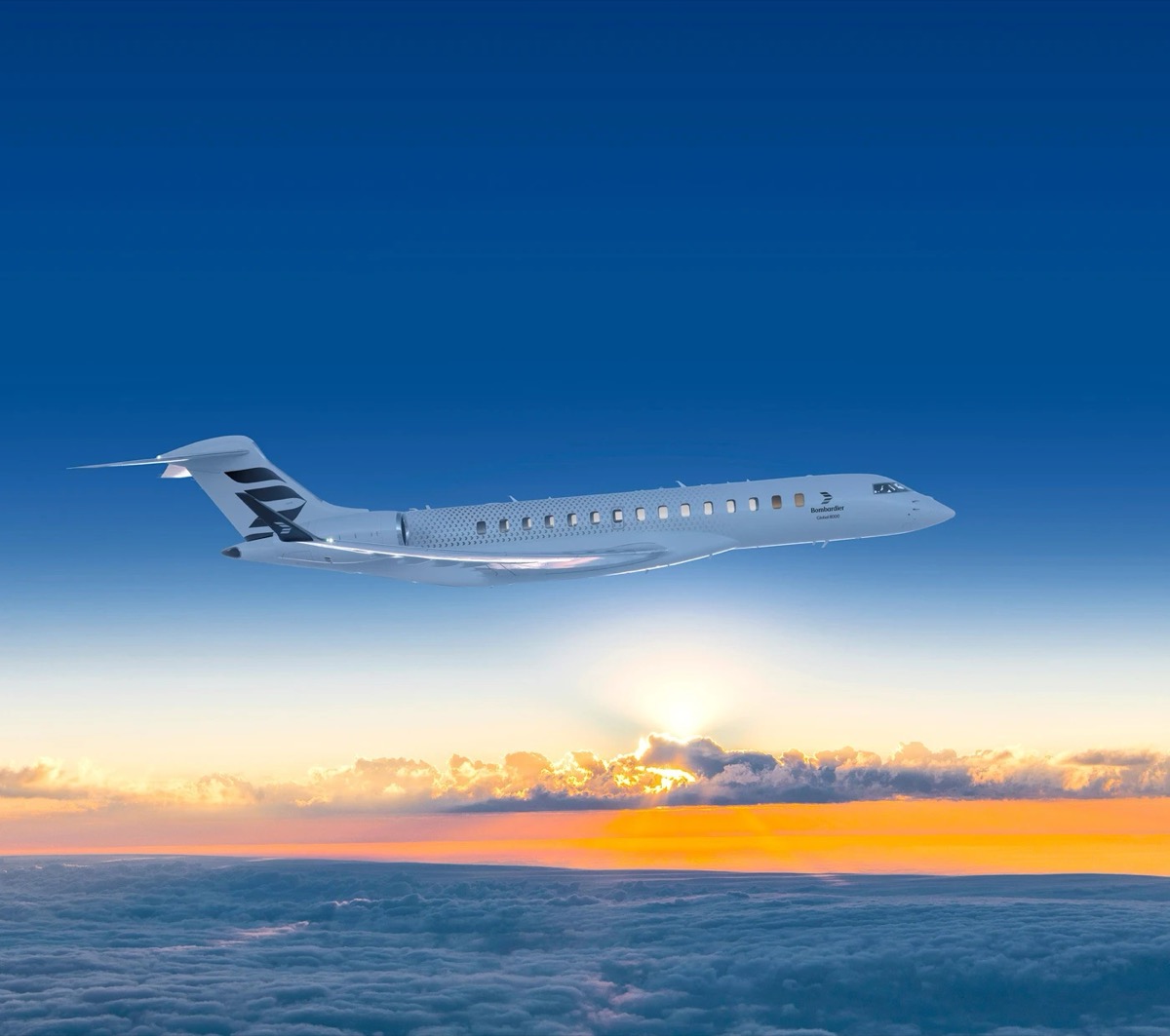
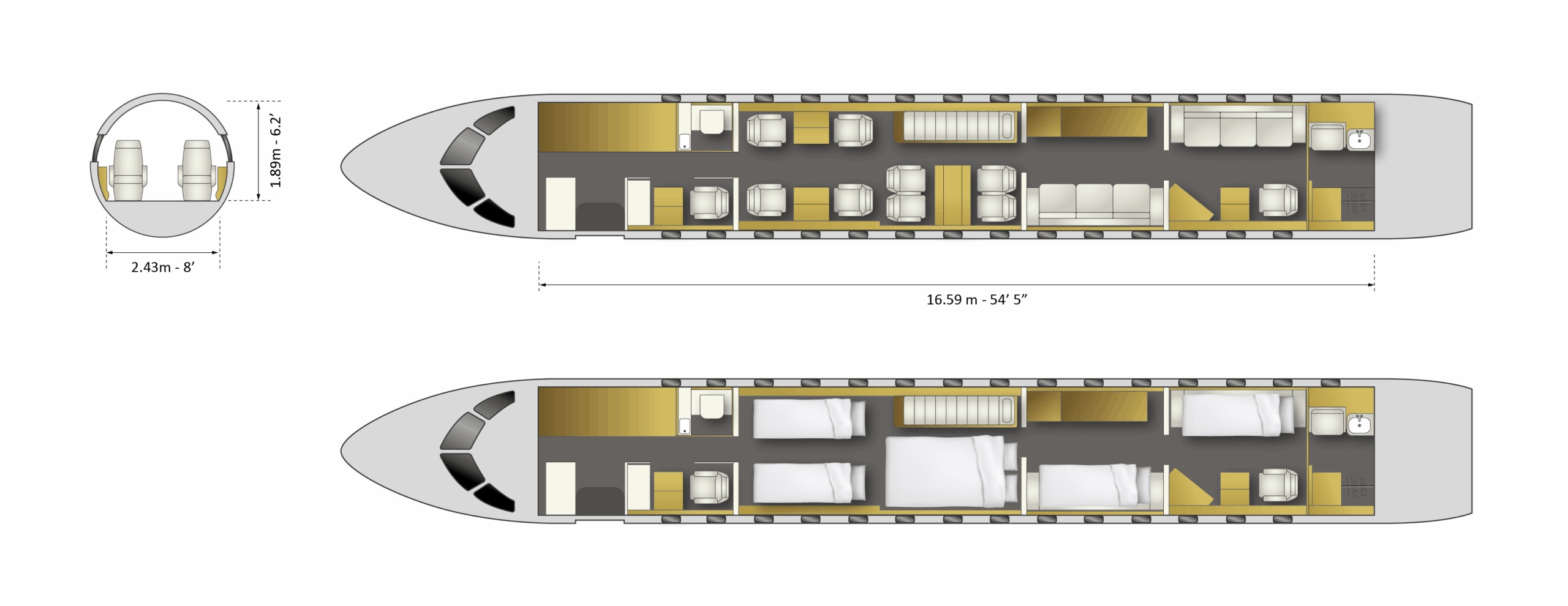
Aboard the Bombardier Global 7500
The aircraft
Type
Bombardier Global 7500
Tail
N392MS
Max alt
45,050 ft
Max speed
590 kt
End of article · celebplanes